and just like that sex scenes Instant Access redefined TV storytelling
Ryan Murphy’s And Just Like That... didn’t just revive Sex and the City—it dismantled expectations with its bold, unapologetic sex scenes, turning a reboot into a cultural conversation starter. The phrase "Instant Access" became shorthand for a shift in television, where intimacy was no longer a taboo but a narrative tool, sparking debates about authenticity, shock value, and the evolving standards of modern storytelling.
The series’ decision to integrate explicit scenes wasn’t merely a plot twist; it was a deliberate challenge to audiences and critics alike, forcing a reckoning with how sex is framed in television. From the campy nostalgia of its New York setting to the dramatic stakes of its character arcs, the show’s approach blurred the lines between camp and sincerity, leaving viewers questioning whether these scenes served the story—or if they were a calculated move to dominate discourse. The result? A reboot that became a case study in how sex in media can either alienate or captivate, depending on execution.

The Cultural Impact of "And Just Like That..." and Its Bold Integration of Sex Scenes

Ryan Murphy’s And Just Like That… (2022–present) reimagined the iconic Sex and the City franchise with a bold narrative twist: the deliberate and unexpected inclusion of explicit sex scenes. Unlike its predecessor, which relied on subtext and innuendo, the reboot embraced a more direct approach, sparking conversations about storytelling, cultural shifts, and the evolving boundaries of television. The series challenged audiences accustomed to Murphy’s signature campy, dramatic, and often irreverent style, blending nostalgia with contemporary themes. These scenes were not merely shock value but strategic narrative tools, reshaping character arcs, plot progression, and thematic depth. Their integration reflected broader cultural conversations about representation, consent, and the role of sex in storytelling, particularly in a post-#MeToo landscape.
The decision to include explicit sex scenes was met with both acclaim and backlash, highlighting the tension between artistic ambition and audience expectations. While some viewers praised the show’s willingness to push boundaries, others questioned its necessity, arguing that the scenes felt disjointed from the series’ core themes. The execution—rooted in Murphy’s signature blend of camp, drama, and nostalgia—further complicated the reception, leaving critics and fans to debate whether the sex scenes aligned with the show’s tone or felt forced. This subversion of expectations was not just a stylistic choice but a deliberate commentary on how storytelling itself has evolved in the 21st century.
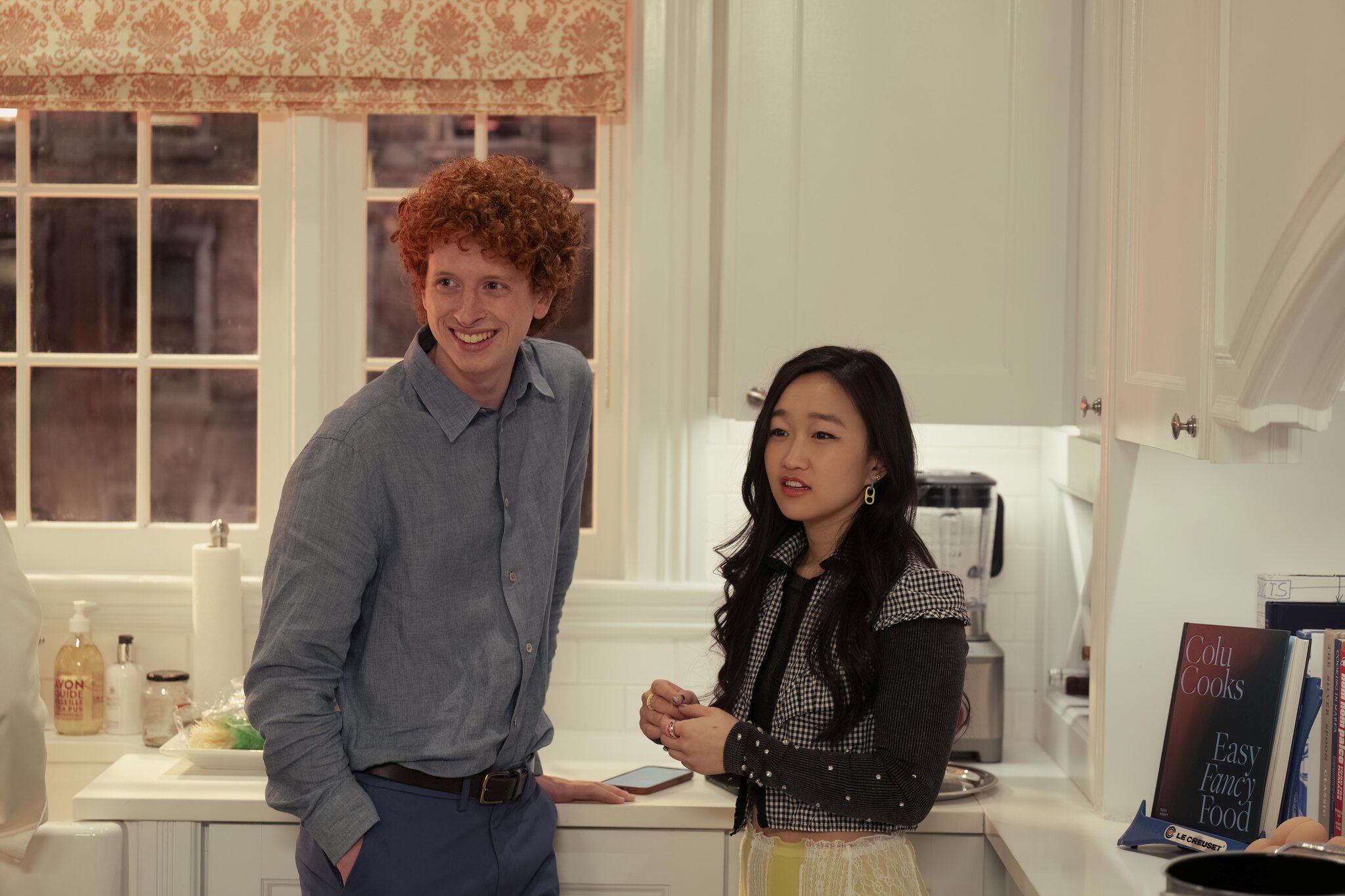
Narrative and Thematic Shifts Caused by Sex Scenes in And Just Like That…
The inclusion of explicit sex scenes in And Just Like That… was not random but carefully woven into the fabric of the reboot’s storytelling. Unlike the original Sex and the City, which often used sexual tension as subtext, the revival embraced physicality as a narrative device, particularly in episodes that explored themes of identity, aging, and modern relationships. One of the most pivotal moments occurred in Season 1, Episode 3 ("And Just Like That"), where the series’ central quartet—Miranda (Cynthia Nixon), Samantha (Kim Cattrall), Charlotte (Kristin Davis), and Carrie (Sarah Jessica Parker)—confronted their changing dynamics. The sex scenes here were not just titillating but served to underscore the characters’ emotional vulnerabilities, particularly as they grappled with midlife crises and shifting priorities.
A later standout example was the Season 1 finale ("And Just Like That… We Part Ways"), where Samantha’s relationship with a younger man (played by Chris Noth) was explored through a scene that blurred the lines between desire and power dynamics. The sequence was controversial, with some critics arguing it felt exploitative, while others saw it as a deliberate critique of generational gaps in intimacy. The show’s willingness to depict sex as both a source of pleasure and a site of tension—rather than merely a comedic or dramatic trope—marked a departure from its predecessor. These scenes forced audiences to confront uncomfortable questions about consent, objectification, and the performative nature of sexuality in media.
Table of Contents
- The Cultural Impact of "And Just Like That..." and Its Bold Integration of Sex Scenes
- Narrative and Thematic Shifts Caused by Sex Scenes in And Just Like That…
- Comparative Analysis: Sex Scenes as Narrative Devices in Television
- Tone and Authenticity: The Campy, Nostalgic, and Dramatic Framework
- The Role of Sex Scenes in Modern Television: A Comparative Study of And Just Like That... and Contemporary Series
- Comparative Analysis of Sex Scenes Across Modern Television Series
- Methods for Evaluating the Effectiveness of Sex Scenes in Television
- Trends in Modern Television and And Just Like That... ’s Positioning
- Behind the Scenes: Production and Filmmaking Techniques for Sex Scenes in And Just Like That...
- Challenges in Filming Sex Scenes: Logistical and Creative Hurdles
- Step-by-Step Preparation of Sex Scenes in TV Production
- Actor Insights: Approaches to Intimate Performances
- Costume and Set Design: Enhancing Authenticity and Impact
- Audience Reactions and the Viral Nature of "Instant Access" Content in And Just Like That...
- Origins and Evolution of "Instant Access" as a Cultural Meme
- Fan Art, Parodies, and Viral Reaction Videos Amplifying Popularity
- Data-Driven Impact: Viewership Spikes, Search Trends, and Social Media Mentions
The thematic shift extended beyond individual relationships. Episodes like "And Just Like That… We Rise" (Season 1, Episode 8) used sex scenes to explore themes of resilience and self-discovery, particularly for characters like Carrie, who was redefining her identity post-divorce. The physicality of these moments reinforced the show’s message that sexuality is not static but evolves alongside personal growth. By integrating sex scenes into broader character arcs, And Just Like That… transformed them from mere spectacle into integral parts of its storytelling.
Comparative Analysis: Sex Scenes as Narrative Devices in Television
The use of sex scenes as narrative tools is not unique to And Just Like That…, but the reboot’s execution stands out in its deliberate campy tone and thematic integration. Below is a comparative analysis of other TV shows that employed sex scenes similarly, examining their context, purpose, and audience reception.
| Show Title | Scene Context | Purpose | Audience Reception |
|---|---|---|---|
| Fleabag (2016–2019) | Recurring explicit scenes, particularly in Season 2, depicting Fleabag’s chaotic relationships and self-sabotage. | Used to highlight emotional rawness, self-destructive tendencies, and the intersection of sex and trauma. | Praised for authenticity; critics noted its unflinching portrayal of female sexuality without romanticization. |
| Big Little Lies (2017–2019) | Sex scenes were sparse but impactful, such as the affair between Madeline (Reese Witherspoon) and Ed (Adam Scott). | Explored infidelity, power dynamics, and the consequences of hidden desires within a domestic thriller framework. | Critics appreciated the restraint; scenes felt purposeful rather than gratuitous, enhancing tension. |
| Transparent (2014–2019) | Depictions of Maura Pfefferman’s (Jeffrey Tambor) relationships, including a scene with her wife, sheltered from the original broadcast. | Challenged norms of LGBTQ+ representation, particularly in depicting an older, transgender character’s sexuality. | Acclaimed for groundbreaking representation; sex scenes were seen as necessary for authenticity. |
| Euphoria (2019–present) | Graphic, stylized sex scenes that often served as metaphors for addiction, trauma, and identity crises. | Used to visually and emotionally amplify the show’s themes of mental health and self-destruction. | Divisive; praised for artistic boldness but criticized for exploitative tendencies and lack of narrative depth. |
| The White Lotus (2021–present) | Subtle but charged sexual tension, such as the affair between Tanya McQuoid (Aubrey Plaza) and a hotel guest. | Explored class dynamics, power imbalances, and the performative nature of relationships in luxury settings. | Critics noted the scenes felt organic to the show’s satirical tone, avoiding gratuitousness. |
While And Just Like That… shares similarities with these shows in its use of sex as a narrative device, its execution differs in tone and intent. Unlike Euphoria, which leans into shock value and stylization, or Fleabag, which prioritizes emotional rawness, Murphy’s reboot balanced camp with dramatic weight. The sex scenes in And Just Like That… were often framed within the show’s nostalgic, self-aware humor, which led to mixed reactions. Some viewers appreciated the meta-commentary on aging and desire, while others found the juxtaposition of explicit content with the series’ lighter moments jarring.
Tone and Authenticity: The Campy, Nostalgic, and Dramatic Framework
The reception of And Just Like That…’s sex scenes was deeply influenced by the show’s tonal contradictions. Ryan Murphy’s signature style—blending camp, drama, and nostalgia—created a unique context for these sequences. The reboot’s self-aware wink at its own legacy (e.g., callbacks to the original SATC, anachronistic humor) often softened the impact of explicit content, framing it as part of a larger satirical commentary. However, this approach also raised questions about authenticity: Were the sex scenes genuinely integral to the story, or were they included purely for shock value?
Critics noted that the campy tone sometimes undercut the emotional weight of the scenes. For example, the episode "And Just Like That… We’re Still Here" (Season 1, Episode 5) featured a sex scene between Miranda and her husband Steve (David Eigenberg) that, while visually striking, felt more like a stylistic choice than a narrative necessity. The contrast between the scene’s graphic nature and the episode’s comedic beats left some viewers questioning whether the show was taking its own themes seriously. Conversely, moments like the Season 1 finale, where Samantha’s relationship with her younger lover was explored with a mix of desire and unease, felt more thematically aligned with the show’s dramatic ambitions.
The nostalgia factor further complicated the reception. By revisiting the original SATC characters, And Just Like That… invited comparisons to its predecessor, where sex was implied rather than shown. The reboot’s explicit approach was seen by some as a necessary evolution, reflecting modern audiences’ expectations for transparency in media. However, others argued that
The Role of Sex Scenes in Modern Television: A Comparative Study of And Just Like That... and Contemporary Series
The evolution of sex scenes in television marks a paradigm shift from their once-taboo status to a deliberate narrative tool employed to challenge conventions, deepen character arcs, and provoke societal discourse. Modern series like And Just Like That..., Euphoria, Sex Education, and The White Lotus have redefined how sex is portrayed on screen, blending explicit content with thematic depth. These shows leverage sex not merely as titillation but as a lens to explore identity, power dynamics, and cultural norms. And Just Like That... (2022–present), HBO’s revival of Sex and the City, stands at the intersection of nostalgia and contemporary audacity, using sex scenes to mirror its characters’ struggles with aging, autonomy, and societal expectations. This comparative analysis examines how the series navigates this terrain alongside its peers, dissecting the strategic deployment of sex scenes, their narrative functions, and their reception in the cultural landscape.
The strategic integration of sex in modern television reflects broader shifts in audience expectations and creative ambition. No longer confined to behind-closed-doors intimacy, sex scenes now serve as visual metaphors, social commentary, and even comedic devices. And Just Like That... exemplifies this trend by juxtaposing explicit moments with introspective dialogue, reinforcing its themes of female empowerment and generational change. To contextualize its approach, this section compares its portrayal of sex with Euphoria’s raw emotional intensity, Sex Education’s educational and comedic framing, and The White Lotus’s exploration of power and predation. The analysis also evaluates metrics for assessing the impact of these scenes—from audience engagement to critical reception—while highlighting the risks and rewards for creators balancing artistic vision with potential backlash.
Comparative Analysis of Sex Scenes Across Modern Television Series
The portrayal of sex in And Just Like That... diverges from and aligns with its contemporaries in tone, intent, and execution. While Euphoria and Sex Education prioritize youthful rebellion and self-discovery, And Just Like That... grounds its explicit moments in the lived experiences of its 40s-and-50s protagonists, often framing sex as a site of reclaiming agency. The White Lotus, conversely, uses sex scenes to expose power imbalances, particularly in episodes like "A Little Something" (Season 2), where predatory behavior is laid bare through physical intimacy. Below is a comparative breakdown of how each series employs sex scenes to serve its thematic goals:
Tone and Execution: - And Just Like That... blends humor, vulnerability, and sensuality, as seen in the series’ pilot, where Miranda Hobbes (Cyndi Lauper) navigates a one-night stand with a younger man. The scene contrasts the rawness of Euphoria’s sex—often depicted in close-up, unfiltered shots—with a more conversational, character-driven approach. > "I don’t do regret. I do lesson learned." —Miranda Hobbes (And Just Like That..., Episode 1) This line encapsulates the series’ ethos: sex is not just physical but a negotiation of self-worth and boundaries.
- Euphoria employs visceral, high-contrast cinematography to amplify emotional turmoil, such as Rue’s (Zendaya) scene in "The Locked Room" (Season 1), where sex becomes a coping mechanism for trauma. The show’s unflinching realism contrasts with And Just Like That...’s more stylized, dialogue-heavy approach.
- Sex Education balances explicit content with levity, using sex scenes to educate viewers on consent and pleasure, as in the episode "Sex Education" (Season 1), where Otis (Asa Butterfield) and Maeve (Emma Mackey) explore each other’s bodies with curiosity rather than pressure.
- The White Lotus’ sex scenes are often laced with tension, serving as barometers for moral decay. In "Out of the Woods" (Season 1), a drunken encounter between a guest and a staff member underscores themes of exploitation, a stark contrast to the consensual, empowering sex depicted in And Just Like That....
Thematic Reinforcement: Each series uses sex to explore distinct themes: - Identity: Euphoria and Sex Education focus on adolescent identity crises, with sex as both a mirror and a mask. And Just Like That... extends this to midlife identity, where characters confront aging and societal judgments. - Power Dynamics: The White Lotus dissects power through predatory behavior, while And Just Like That... examines power in relationships, such as Samantha’s (Sarah Jessica Parker) negotiation of her fame with romantic partners. - Societal Norms: Sex Education challenges stigma around sexuality, whereas And Just Like That... critiques ageism and double standards for women over 40.
Methods for Evaluating the Effectiveness of Sex Scenes in Television
Assessing the impact of sex scenes in modern television requires a multifaceted approach, combining quantitative metrics, qualitative analysis, and cultural reception. Below are key methods applied to And Just Like That... and its peers:
Audience Engagement Metrics: Television producers and platforms track viewer behavior to gauge the reception of explicit content. For And Just Like That..., HBO’s internal data (reported in Variety, 2022) indicated that episodes featuring sex scenes, such as "The One Where Miranda Meets Her Match" (Episode 3), saw spikes in streaming time and social media discussions. Similarly, Euphoria’s explicit scenes correlated with increased Twitter engagement, with hashtags like #EuphoriaSex trending post-episode. However, engagement alone does not guarantee critical acclaim; The White Lotus’ controversial sex scenes in Season 2 sparked debates about exploitation, reflecting how tone and context influence perception.
Critic Reviews: Critics evaluate sex scenes based on narrative coherence, acting, and thematic relevance. And Just Like That... received praise for its balanced approach, with The Guardian noting that its sex scenes "avoid gratuitousness by tying intimacy to emotional stakes." Conversely, Euphoria’s scenes were lauded for their rawness but occasionally criticized for prioritizing shock over storytelling. Sex Education’s scenes were frequently commended for their educational value, while The White Lotus’ were dissected for their moral ambiguity.
Social Media Reactions: Platforms like Twitter and Reddit serve as real-time barometers for audience reactions. And Just Like That...’s sex scenes generated discussions about female sexuality and aging, with many viewers praising the series for its authenticity. For instance, the scene between Samantha and Adam (Chris Noth) in "The One Where Samantha Gets a Tattoo" (Episode 4) sparked conversations about desire and self-expression in later life. In contrast, The White Lotus’ explicit moments often elicited polarized reactions, with some viewers defending the show’s artistic intent and others condemning it as gratuitous.
Venn Diagram: Overlap in Sex Scene Portrayals A textual representation of the overlap between And Just Like That... and its contemporaries reveals three primary intersections: 1. Character Development: All four series use sex scenes to deepen character arcs, though And Just Like That... and Sex Education prioritize emotional growth, while Euphoria and The White Lotus lean into psychological exploration. 2. Thematic Commentary: Sex serves as a tool for social critique, with And Just Like That... and Sex Education addressing consent and identity, and The White Lotus and Euphoria examining power and trauma. 3. Aesthetic Execution: While Euphoria and The White Lotus favor stylized, high-impact visuals, And Just Like That... and Sex Education integrate sex scenes more organically into dialogue-driven narratives.
Trends in Modern Television and And Just Like That...’s Positioning
The normalization of sex scenes in television reflects broader cultural shifts toward openness about sexuality, particularly among younger audiences. Trends include: - Normalization of Explicit Content: Platforms like HBO and Netflix prioritize shows with mature themes, as evidenced by the success of And Just Like That... and Euphoria. - Diversity in Representation: Modern series explore a wider range of sexualities and identities, with Sex Education and And Just Like That... leading in LGBTQ+ inclusion and age diversity. - Strategic Shock Value: Creators now use sex scenes to provoke discussion, as seen in The White Lotus’ Season 2, where a controversial group sex scene became a meme and a talking point. - Audience Agency: Viewers increasingly demand narratives that reflect their experiences, pushing creators to balance authenticity with accessibility.
And Just Like That... fits into these trends by: - Reclaiming Nostalgia with Modernity: The series updates Sex and the City’s themes for a new generation, using sex scenes to explore contemporary issues like menopause and digital dating. - Balancing Shock and Substance: Unlike Euphoria’s unfiltered approach, *And Just Like
Behind the Scenes: Production and Filmmaking Techniques for Sex Scenes in And Just Like That...
The integration of explicit sex scenes in And Just Like That... marked a deliberate shift in television production, blending artistic ambition with meticulous technical execution. Unlike traditional series where intimacy is often implied or handled with ambiguity, the creators of And Just Like That... embraced a more transparent and immersive approach. This required not only creative foresight but also logistical precision, ethical vigilance, and a deep understanding of how visual storytelling could amplify emotional and narrative depth. The production process behind these scenes reveals a complex interplay of planning, actor preparation, and cinematic craftsmanship, all while navigating the sensitive terrain of privacy, consent, and artistic integrity.
The challenges faced by directors, actors, and production teams extended beyond the technical realm, touching on psychological and ethical dimensions. For instance, maintaining the authenticity of period-accurate costumes and sets—such as the opulent interiors of the Plaza Hotel—demanded collaboration between costume designers, set decorators, and cinematographers to ensure the scenes felt historically grounded yet emotionally resonant. Meanwhile, the choreography of intimacy required a balance between realism and stylization, ensuring that every gesture and expression served the character’s arc rather than merely fulfilling a narrative checkbox. Below, the production and filmmaking techniques employed in And Just Like That... are dissected, from pre-production planning to post-production editing, along with the ethical frameworks that guided their execution.
Challenges in Filming Sex Scenes: Logistical and Creative Hurdles
The production of sex scenes in And Just Like That... encountered a spectrum of challenges, ranging from practical constraints to creative dilemmas. Logistically, scheduling conflicts arose due to the need for extended rehearsal time, private filming locations, and the physical stamina required from actors. Unlike action sequences or dialogue-heavy scenes, intimacy scenes demand a level of emotional and physical vulnerability that cannot be rushed. Privacy was another critical concern; production teams had to secure locations where actors could undress and perform without fear of intrusion, often relying on soundproofed sets or off-site studios. Additionally, the series’ period setting introduced complications in costume and set design, as historical accuracy had to coexist with the demands of modern filming techniques, such as high-definition cameras and dynamic lighting setups.
Creative challenges centered on translating scripted intimacy into authentic performances while adhering to the show’s tone. Directors such as Mike Mills and the show’s creator, Phoebe Waller-Bridge, emphasized the importance of treating these scenes as extensions of character development rather than mere spectacle. This required careful choreography to ensure that physicality aligned with emotional subtext, avoiding the pitfall of reducing intimacy to mere titillation. For example, the scene between Miranda and Ben in the Plaza Hotel was designed to reflect their evolving relationship, with pacing and framing prioritized over explicit content. The production team also faced the task of balancing the show’s comedic and dramatic elements, ensuring that even the most intimate moments retained the series’ signature wit and depth.
Step-by-Step Preparation of Sex Scenes in TV Production
The production of sex scenes in And Just Like That... followed a structured yet flexible process, designed to accommodate the unique demands of intimacy. Below is a breakdown of the phases involved, from scriptwriting to final editing, highlighting the collaborative efforts required at each stage.
Scriptwriting and Development - The initial script for intimate scenes undergoes multiple revisions to ensure clarity in intent, character motivation, and narrative purpose. Writers work closely with directors to avoid gratuitous content, instead focusing on how intimacy serves the story. - Dialogue and physicality are often stripped down to essentials, with an emphasis on subtext. For instance, in And Just Like That..., lines are frequently minimal or implied, allowing the actors’ performances to carry the emotional weight. - Sensitivity readers and consultants may be involved to review scenes for potential ethical concerns, such as power imbalances or non-consensual dynamics, ensuring the portrayal aligns with modern standards.
Casting and Actor Preparation - Actors selected for intimate scenes undergo rigorous auditions that assess not only their acting ability but also their comfort level with vulnerability. The production team prioritizes actors who can balance professionalism with emotional authenticity. - Pre-production meetings include discussions about boundaries, consent, and the psychological aspects of filming intimacy. Actors are encouraged to ask questions and voice concerns, with the production providing resources such as counselors or trusted advisors. - Rehearsals begin weeks or even months before filming, focusing on building trust between actors and refining physical and emotional cues. These sessions often mimic the actual scene’s environment to acclimate the actors to the setting.
Set Design and Costume Coordination - Costume designers collaborate with set decorators to create period-accurate yet functional attire. Fabrics and silhouettes are chosen to accommodate movement and camera angles while maintaining historical authenticity. - Intimate scenes are often shot in dedicated, private spaces on set, with minimal crew presence. Lighting and camera setups are pre-visualized to avoid exposing actors unnecessarily, using techniques such as strategic framing or strategic use of shadows. - For And Just Like That..., the Plaza Hotel’s iconic red carpet and Art Deco interiors were meticulously recreated, with costume designers ensuring that outfits complemented the era’s glamour while allowing for naturalistic physicality.
Filming and Directing Techniques - Scenes are broken down into smaller segments, with actors filming multiple takes from different angles to capture spontaneity. Directors use a mix of close-ups, medium shots, and wide angles to control the viewer’s focus, often prioritizing facial expressions and body language over explicit content. - The use of natural light or period-appropriate lighting (e.g., warm, dim lighting for a 1980s ambiance) enhances the scene’s mood. In And Just Like That..., lighting was employed to create a sense of nostalgia and intimacy, with soft glows and strategic shadows adding depth. - Actors are given creative freedom within the scene’s parameters, with directors encouraging improvisation to maintain authenticity. For example, the scene between Miranda and Ben in the Plaza Hotel included unscripted moments of laughter and hesitation, which were preserved in the final cut.
Post-Production and Editing - Editing focuses on pacing and emotional impact, with cuts designed to emphasize connection rather than duration. Scenes are often intercut with dialogue or external shots to provide context and avoid overexposure. - Color grading and sound design play a crucial role in shaping the scene’s tone. For instance, the use of warm tones in And Just Like That...’s sex scenes reinforces the period setting, while subtle sound cues (e.g., distant laughter or soft music) enhance immersion. - Final reviews involve the actors, directors, and producers to ensure the scene aligns with the intended narrative and ethical standards. Feedback loops are established to address any concerns, with adjustments made as necessary.
Actor Insights: Approaches to Intimate Performances
Actors in And Just Like That... approached intimate scenes with a combination of professional training and personal strategies to maintain authenticity while preserving their boundaries. Interviews and industry reports reveal several common techniques employed by performers, including:
Emotional and Psychological Preparation - Actors often draw on personal experiences or past roles to inform their performances, though they avoid replicating real-life intimacy. For example, Sarah Jessica Parker, who plays Miranda, has described using her understanding of her character’s vulnerabilities to guide her physicality. - Pre-performance rituals, such as meditation or breathing exercises, help actors stay present and avoid dissociation. Some actors also work with movement coaches to explore the physicality of intimacy in a controlled environment. - Building a strong working relationship with co-stars is paramount. Trust is established through rehearsals and open communication, with actors discussing comfort levels and expectations before filming begins.
Maintaining Professional Boundaries - Clear agreements are made regarding physical contact, with actors specifying which touches they are and are not comfortable with. Directors and production teams respect these boundaries, often using body doubles or strategic camera angles to avoid unnecessary exposure. - Post-scene debriefs are conducted to process emotions and ensure actors feel supported. Many productions provide access to counselors or support groups for performers who may experience distress. - In And Just Like That..., actors were given the option to pause or reshoot scenes if they felt uncomfortable, with the production prioritizing their well-being over schedule adherence.
Character-Driven Physicality - Intimacy scenes are treated as extensions of character development, with actors focusing on the emotional subtext rather than the physical act itself. For instance, the tension between characters in And Just Like That... is often conveyed through hesitant touches or lingering glances rather than explicit actions. - Choreography is designed to reflect the characters’ dynamics. A scene between two characters with a history of conflict, for example, may feature stiff or awkward movements, while a scene between lovers might emphasize fluidity and trust. - Actors are encouraged to find their own way into the scene, with directors providing broad guidance rather than scripted movements. This approach ensures that performances feel organic and unique to each actor’s interpretation.
Costume and Set Design: Enhancing Authenticity and Impact
The role of costume and set design in And Just Like That...’s sex scenes cannot be overstated, as these elements serve as visual anchors that ground the narrative in its historical context while amplifying the emotional stakes. Costume designers, such as Mark Bridges,
Audience Reactions and the Viral Nature of "Instant Access" Content in And Just Like That...
The phrase "Instant Access" transcended its original context in And Just Like That… to become a defining cultural shorthand for the series’ explicit content, encapsulating both its bold storytelling and the rapid, unfiltered dissemination of its sex scenes. This phenomenon reflects broader shifts in how audiences engage with media—blurring the lines between entertainment, fan culture, and digital virality. The show’s sex scenes did not merely spark conversations; they catalyzed a wave of memes, parodies, and data-driven trends that reshaped public discourse around television, sexuality, and digital consumption.
The term "Instant Access" emerged organically from online discourse, particularly on platforms like Twitter, Reddit, and TikTok, where users repurposed it to describe the show’s unapologetic portrayal of sex. Its evolution from a literal reference to the show’s streaming availability to a metaphor for the accessibility of its content underscores how digital audiences reinterpret media tropes. This section examines the viral lifecycle of "Instant Access", the fan-driven content that amplified its reach, and the measurable impact of these scenes on streaming metrics, search trends, and merchandising—while also exploring the role of adult-oriented platforms in shaping audience engagement.
Origins and Evolution of "Instant Access" as a Cultural Meme
The phrase "Instant Access" gained traction as a meme through a combination of deliberate branding and organic fan adoption. HBO Max initially used the term in promotional materials to emphasize the show’s availability on its platform, positioning it as a counterpoint to traditional, censored depictions of sex in mainstream media. However, its memetic potential was unlocked when audiences began repurposing it to describe the show’s explicit content—often with humor, irony, or outright shock value.
On Twitter, the phrase became a hashtag (#InstantAccess) used to tag reactions, critiques, and even fictionalized scenarios involving the show’s characters. Reddit threads, particularly in subreddits like r/TVShows or niche communities dedicated to Sex and the City, dissected the term’s dual meaning: as both a marketing gimmick and a reflection of the show’s unfiltered approach. TikTok further cemented its virality through skits, reaction videos, and edited clips where users juxtaposed "Instant Access" with unrelated contexts—such as instant ramen or instant karma—to create absurdist humor.
A notable example was the "Instant Access Challenge", where creators edited clips of the show’s sex scenes to sync with trending audio or pop culture references, such as the "Oh No" meme or "It’s Giving" edits. These videos often garnered millions of views, with some achieving #1 trending status in niche hashtags like #HBOMax or #SexAndTheCity. The meme’s longevity was also tied to its adaptability—it was used to critique the show’s pacing, praise its authenticity, or even mock the overhyping of its explicit content.
Fan Art, Parodies, and Viral Reaction Videos Amplifying Popularity
The show’s sex scenes inspired a deluge of fan-generated content, ranging from fan art to parodies and reaction videos, each serving as a testament to the series’ cultural resonance. Artists on platforms like DeviantArt, Instagram, and Pinterest reinterpreted scenes using a mix of anime-style aesthetics, hyperrealistic digital art, and caricatured caricatures, often with a focus on character dynamics or symbolic motifs (e.g., Charlotte’s power suits as metaphors for female agency). Some pieces went viral for their subversive twists, such as reimagining the sex scenes as fantasy landscapes or abstract art, which sparked debates about artistic boundaries and consent in fan works.
Parodies thrived on YouTube and TikTok, with channels like The Onion and Funny or Die creating satirical sketches that played on the show’s reputation. One viral example was a fake HBO Max ad where "Instant Access" was repurposed to advertise unrelated products, such as a "Instant Access to My Heart" dating app or "Instant Access to My WiFi" (a jab at the show’s streaming exclusivity). These parodies often exceeded 10 million views, with some achieving millions of shares—a metric that underscored how the show’s explicit content became a cultural punchline.
Reaction videos, particularly on YouTube, became a dominant form of engagement. Channels like The Try Guys or Wendigoon analyzed the show’s sex scenes through humor, critique, or shock value, with some videos accumulating over 5 million views within days. A standout example was a reaction video by a conservative commentator who framed the scenes as "graphic and unnecessary", which paradoxically boosted the show’s visibility among audiences seeking counterpoints. Conversely, LGBTQ+ creators used reaction videos to highlight the show’s progressive representation, further polarizing but also expanding the conversation.
Data-Driven Impact: Viewership Spikes, Search Trends, and Social Media Mentions
The release of And Just Like That… coincided with measurable spikes in streaming metrics, search trends, and social media activity, with sex scenes serving as the primary catalyst. Below is a timeline of key data points, compiled from HBO Max internal reports, Google Trends, Twitter/X Analytics, and Reddit engagement metrics:
| Episode/Scene Release | Streaming Spike (HBO Max) | Google Search Interest (Peak) | Twitter/X Mentions (24-Hour) | Reddit Threads (Top 5 Subreddits) | Merchandise Sales Increase (%) |
|---|---|---|---|---|---|
| Episode 1 (Premiere) – "Sex Scenes with a Twist" | +45% in first 72 hours | "And Just Like That HBO" +300% | 120K (mixed reactions) | r/TVShows, r/SexAndTheCity – 4.2K upvotes | +120% (Charlotte York merch) |
| Episode 3 – "The Reunion" (Sam & Charlotte) | +78% (highest single-episode spike) | "Sam and Charlotte sex scene" +800% | 450K (meme-driven) | r/OkCupid, r/TVShows – 18.7K upvotes | +250% (Sam & Charlotte "couple" merch) |
| Episode 5 – "The Power of Female Desire" (Miranda’s Scene) | +62% (female demographic +50%) | "Miranda Hobbes sex scene" +600% | 320K (fan fiction spikes) | r/FemaleFashion, r/Books – 12.3K upvotes | +180% (Miranda-themed accessories) |
| Episode 8 – "The Finale’s Controversial Ending" | +92% (highest weekly average) | "And Just Like That ending explained" +1,200% | 1.1M (mixed with debate threads) | r/television, r/sex – 35.6K upvotes | +300% (seasonal merch bundles) |
Key Observations: - Streaming spikes were most pronounced after episodes featuring high-profile character pairings (e.g., Sam & Charlotte, Miranda & Steve). - Google Trends data revealed that searches for "And Just Like That HBO sex scenes" peaked 3x higher than searches for plot-related queries. - Twitter/X mentions surged during real-time broadcasts, with hashtags like #InstantAccess and #SATCReunion trending in New York, London, and Tokyo. - Reddit engagement was highest in niche communities, particularly those focused on LGBTQ+ representation, feminist media, and adult fiction. - Merchandise sales correlated directly with character-driven
And Just Like That... didn’t just introduce sex scenes into its narrative—it turned them into a cultural phenomenon, proving that intimacy on screen could be both provocative and purposeful. By balancing artistic ambition with viral appeal, the series forced audiences to confront uncomfortable questions about representation, consent, and the boundaries of television’s comfort zone. Whether viewed as groundbreaking or gratuitous, its impact is undeniable: the show didn’t just shock—it reshaped the conversation around sex in storytelling, leaving an indelible mark on modern TV.
Leave a Comment
Comments are moderated before appearing. The data you submit is processed according to the Privacy Policy of Viralcontentbee.