New Zealand Sauvignon Blanc: The World’s Most Vibrant Wine Story
Few wines command the same immediate recognition—or universal acclaim—as New Zealand Sauvignon Blanc. The moment the term is mentioned, connoisseurs and casual drinkers alike conjure images of sun-drenched vineyards, zesty citrus bursts, and a wine so vibrant it feels like liquid sunshine. Yet beneath its effortless popularity lies a story of innovation, climate fortitude, and a near-perfect marriage between grape and terroir. This is not merely a wine; it’s a cultural phenomenon that reshaped global perceptions of what Sauvignon Blanc could be.
The journey begins in Marlborough, where cool maritime breezes and long, dry summers create conditions so ideal that the region now produces nearly 80% of New Zealand’s Sauvignon Blanc. But the magic doesn’t stop there. From the herby intensity of Wairau Valley to the floral elegance of Awatere, each subregion carves its own identity, proving that New Zealand Sauvignon Blanc is far from a monolith. The wine’s signature—bright acidity, tropical fruit notes, and a whisper of gooseberry and passionfruit—has become a benchmark, influencing winemakers worldwide to rethink their approach to the variety.
What makes this wine truly extraordinary is its ability to transcend borders. While France’s Loire Valley and New Zealand’s Marlborough may both produce Sauvignon Blanc, the Kiwi version arrived on the scene with a bold, unapologetic freshness that turned heads in the 1980s. Today, it’s not just a wine; it’s a lifestyle symbol, a testament to how geography, climate, and human ingenuity can craft something universally adored.
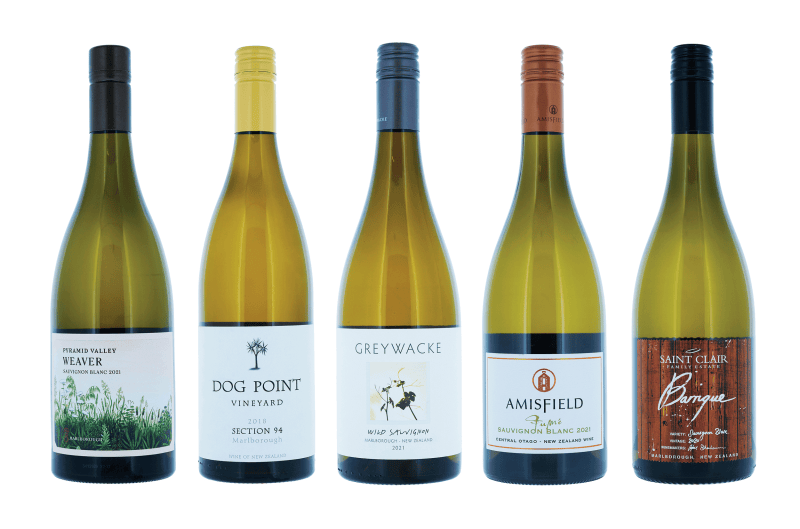
The Complete Overview of New Zealand Sauvignon Blanc
At its core, New Zealand Sauvignon Blanc is a study in contrast—cool-climate precision meeting tropical exuberance. The wine’s defining traits are its razor-sharp acidity, which balances the ripe fruit flavors, and its aromatic complexity, where citrus zest dances with herbal undertones of flint and fresh-cut grass. This profile is a direct result of Marlborough’s unique conditions: the region’s diurnal temperature swings (cool nights, warm days) preserve acidity while allowing the grapes to ripen fully, a feat that eludes many other Sauvignon Blanc-producing areas.Yet the story isn’t just about Marlborough. New Zealand’s other key regions—Gisborne, Hawke’s Bay, and Central Otago—each contribute nuanced variations. Gisborne’s warmer climate yields wines with riper stone fruit, while Central Otago’s high-altitude vineyards produce a leaner, more mineral-driven expression. The diversity within New Zealand Sauvignon Blanc reflects the country’s viticultural ambition: to prove that Sauvignon Blanc isn’t one-dimensional, but a canvas for terroir.
Historical Background and Evolution
The tale of New Zealand Sauvignon Blanc is one of serendipity and persistence. The variety arrived in the country in the 1970s, planted by pioneering winemakers who recognized its potential in Marlborough’s cool, windy climate. Early experiments were met with skepticism—after all, Sauvignon Blanc was traditionally associated with the Loire’s more restrained, herbaceous styles. But by the 1980s, New Zealand’s version emerged with a punch: brighter, fruitier, and more approachable. The breakthrough came in 1985, when Cloudy Bay released its first commercial Sauvignon Blanc, a wine so distinctive it won the New Zealand Wine of the Year in 1986. Overnight, Marlborough became synonymous with the variety, and the rest is history.The 1990s and 2000s saw New Zealand Sauvignon Blanc achieve cult status. As exports surged—particularly to the UK, Australia, and the US—winemakers doubled down on quality, refining techniques like site selection, canopy management, and fermentation temperatures. The result? A wine that could compete with, and often surpass, its French counterparts in both complexity and drinkability. Today, Marlborough’s Sauvignon Blanc is the most exported wine from New Zealand, a testament to its global appeal and the region’s unwavering commitment to excellence.
Core Mechanisms: How It Works
The secret to New Zealand Sauvignon Blanc lies in its terroir—a term that encompasses soil, climate, and topography. Marlborough’s shallow, free-draining soils (primarily greywacke) drain excess water, preventing dilution and allowing the vines to focus on flavor concentration. The region’s maritime influence—cool, moist air from the Pacific—moderates temperatures, preserving acidity while the sun ripens the grapes. This balance is critical: too much heat would yield flabby, alcoholic wines; too little would produce tart, underripe results. New Zealand’s climate strikes the perfect equilibrium, ensuring the wine’s signature freshness and vibrancy.Table of Contents
- The Complete Overview of New Zealand Sauvignon Blanc
- Historical Background and Evolution
- Core Mechanisms: How It Works
- Key Benefits and Crucial Impact
- Major Advantages
- Comparative Analysis
- Future Trends and Innovations
- Conclusion
- Comprehensive FAQs
- Q: What makes New Zealand Sauvignon Blanc different from French Sauvignon Blanc?
- Q: Is New Zealand Sauvignon Blanc always crisp and refreshing?
- Q: Which New Zealand region produces the best Sauvignon Blanc?
- Q: How should I serve and store New Zealand Sauvignon Blanc?
- Q: What foods pair best with New Zealand Sauvignon Blanc?
- Q: Is New Zealand Sauvignon Blanc sustainable?
Beyond terroir, winemaking techniques play a pivotal role. Many producers use stainless steel fermentation to retain the wine’s crisp, primary fruit characteristics, while some experiment with oak or concrete eggs to add subtle texture. The choice of yeast also matters—Sauvignon Blanc thrives with strains that emphasize citrus and tropical fruit, avoiding the funky, vegetal notes that can dominate in cooler climates. The result is a wine that’s consistently bright, aromatic, and food-friendly, a rare trifecta in the white wine world.
Key Benefits and Crucial Impact
The rise of New Zealand Sauvignon Blanc has had ripple effects far beyond its vineyards. For consumers, it democratized fine wine—offering a high-quality, affordable option that didn’t require decades of aging. For producers, it proved that Sauvignon Blanc could be a global powerhouse, not just a niche European curiosity. And for New Zealand’s economy, it became a cornerstone of the country’s burgeoning wine industry, generating billions in export revenue and putting Marlborough on the map as a must-visit destination.The wine’s versatility is another key advantage. Its bright acidity and aromatic profile make it a perfect match for seafood, goat cheese, and Asian cuisine, while its refreshing character ensures it’s equally at home as an aperitif or a picnic staple. This adaptability has cemented New Zealand Sauvignon Blanc as a go-to choice for both casual drinkers and sommeliers alike.
"New Zealand Sauvignon Blanc didn’t just change the way we drink wine—it redefined what the variety could be. It’s bold, it’s bright, and it’s unapologetically itself." — Jancis Robinson, MW
Major Advantages
- Unmatched Freshness: The wine’s signature acidity and citrus-driven profile make it one of the most refreshing whites in the world, ideal for warm climates.
- Global Accessibility: Priced competitively yet delivering premium quality, it’s a favorite among budget-conscious wine lovers without sacrificing depth.
- Terroir Diversity: From Marlborough’s classic gooseberry-and-grass style to Central Otago’s mineral-driven versions, New Zealand offers a spectrum of Sauvignon Blanc experiences.
- Food Pairing Versatility: Its bright, herbal notes complement everything from oysters to spicy Thai dishes, making it a culinary chameleon.
- Sustainability Leadership: Many New Zealand producers lead the charge in eco-friendly viticulture, from organic farming to water conservation, aligning with modern consumer values.

Comparative Analysis
While New Zealand Sauvignon Blanc dominates the conversation, other regions produce their own takes on the variety. Here’s how they stack up:| New Zealand (Marlborough) | France (Loire Valley) |
|---|---|
| Bright, tropical fruit (passionfruit, mango) with herbal notes of flint and grass. | Herbal, vegetal (sage, asparagus) with citrus and mineral undertones. |
| High acidity, full-bodied, and aromatic. | Restrained acidity, often leaner, with more earthy complexity. |
| Fermented in stainless steel; minimal oak influence. | Often aged in neutral oak or concrete to preserve freshness. |
| Widely exported; affordable yet premium. | Niche, often higher-priced, with regional variations (Sancerre vs. Pouilly-Fumé). |
Future Trends and Innovations
The future of New Zealand Sauvignon Blanc is bright, with winemakers pushing boundaries in both tradition and innovation. Climate change poses challenges—warmer temperatures risk reducing acidity—but producers are adapting through canopy management, irrigation control, and site selection at higher elevations. Sustainability remains a priority, with more vineyards adopting organic and biodynamic practices, appealing to eco-conscious consumers.Another trend is experimentation within the variety itself. Some producers are exploring skin contact to add texture, while others are blending Sauvignon Blanc with other varieties (like Semillon) to create hybrid styles. The goal? To keep the wine fresh, relevant, and exciting for the next generation of drinkers.

Conclusion
New Zealand Sauvignon Blanc is more than a wine—it’s a cultural export, a culinary partner, and a testament to what happens when terroir, innovation, and passion align. From its humble beginnings in Marlborough to its current status as a global icon, it has redefined expectations for white wine, proving that greatness doesn’t require age or tradition—just the right conditions and a fearless approach.As the world continues to embrace its vibrant energy, one thing is certain: the story of New Zealand Sauvignon Blanc is far from over. Whether you’re sipping it on a vineyard terrace in Awatere or pairing it with grilled fish in a city apartment, its allure remains undiminished—a reminder that sometimes, the best things in life (and wine) are the ones that feel effortlessly perfect.
Comprehensive FAQs
Q: What makes New Zealand Sauvignon Blanc different from French Sauvignon Blanc?
A: The key differences lie in climate and style. New Zealand’s version is bolder, fruitier, and more aromatic, thanks to Marlborough’s sunny, dry conditions. French Sauvignon Blanc (e.g., from the Loire) tends to be herbaceous, with notes of flint and asparagus, reflecting its cooler, wetter terroir.
Q: Is New Zealand Sauvignon Blanc always crisp and refreshing?
A: While most New Zealand Sauvignon Blanc wines are known for their bright acidity, some producers experiment with oak aging or skin contact to add texture and depth. These styles may be slightly richer but still retain the variety’s signature freshness.
Q: Which New Zealand region produces the best Sauvignon Blanc?
A: Marlborough is the undisputed leader, accounting for nearly 80% of New Zealand’s production. However, regions like Gisborne (warmer climate, riper fruit) and Central Otago (high-altitude, mineral-driven) offer distinct takes on the variety.
Q: How should I serve and store New Zealand Sauvignon Blanc?
A: Serve chilled (8–12°C) in a white wine glass to preserve its aromatics. Most New Zealand Sauvignon Blanc wines are best consumed within 1–3 years of vintage, though well-made examples can age gracefully for 5+ years.
Q: What foods pair best with New Zealand Sauvignon Blanc?
A: Its bright acidity and herbal notes make it a perfect match for seafood (oysters, grilled fish), goat cheese, Asian cuisine (Thai curries, sushi), and fresh salads. Avoid heavy, creamy dishes that may overwhelm its vibrancy.
Q: Is New Zealand Sauvignon Blanc sustainable?
A: Many producers prioritize sustainability through organic farming, water conservation, and renewable energy. Look for certifications like NZ Sustainable Winegrowers for eco-conscious choices.
Leave a Comment
Comments are moderated before appearing. The data you submit is processed according to the Privacy Policy of Viralcontentbee.