Whyand How Market Segmentation Drives Target Marketing Success
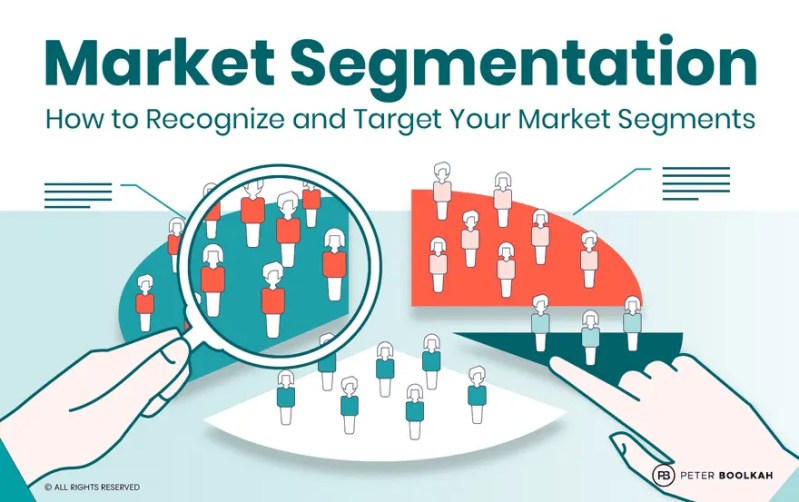
Table of Contents
- Definition and Core Purpose of Market Segmentation in Target Marketing
- Structured Breakdown of Market Segmentation
- Comparison of Segmentation Methods
- Primary Objectives of Market Segmentation
- Improving Customer Acquisition
- Enhancing Customer Retention
- Driving Profitability Through Segmentation
- Key Methods and Techniques for Segmenting Markets
- Categorization of Segmentation Techniques
- Geographic Segmentation and Urban vs. Rural Targeting Strategies
- Psychographic Segmentation: Advantages and Limitations in Luxury vs. Mass-Market Products
- Step-by-Step Procedure for Behavioral Segmentation Using Purchase History and Engagement Metrics
- How Segmentation Enhances Target Marketing Strategies
- Tailoring Messaging, Pricing, and Product Features to Customer Segments
- Case Study: Demographic Segmentation in Action – Dove’s "Real Beauty" Campaign
- Micro-Segmentation and Hyper-Personalized Marketing
- Comparison: Undifferentiated vs. Differentiated Marketing Approaches
- Data Collection and Tools for Effective Market Segmentation
- Types of Data Required for Market Segmentation
- Software Tools for Segmenting Market Data
- Challenges and Best Practices in Implementing Market Segmentation
- Common Pitfalls in Market Segmentation and Mitigation Strategies
- Checklist for Validating Segmentation Models Before Deployment
- Static vs. Dynamic Segmentation: Industry Suitability and Trade-offs
- Ethical Considerations in Market Segmentation
- Real-World Applications and Industry-Specific Examples of Market Segmentation
- B2C Segmentation in Retail: Personalization and Recommendation Engines
- B2B Segmentation in SaaS: Tiered Pricing and Feature Customization
- Nonprofit Segmentation: Donor and Volunteer Targeting
- Global Brand Adaptation: Cultural and Regional Segmentation
Market segmentation serves as the cornerstone of modern target marketing by transforming broad consumer bases into actionable, high-value segments. This strategic approach enables businesses to align offerings with specific customer needs, optimizing resource allocation and maximizing return on investment. By systematically categorizing audiences based on behavioral, demographic, or psychographic traits, companies can refine messaging, pricing, and product development to foster deeper engagement and loyalty.
The effectiveness of segmentation lies in its ability to bridge the gap between generic marketing and hyper-personalized campaigns. Whether through data-driven clustering algorithms or traditional demographic analysis, segmentation ensures that marketing efforts resonate with the right audience at the right time. From luxury brands leveraging psychographic insights to retail giants utilizing purchase history for dynamic recommendations, the applications are vast and transformative. Understanding these principles allows organizations to not only compete but dominate in increasingly saturated markets.
Definition and Core Purpose of Market Segmentation in Target Marketing
Market segmentation is a strategic process that divides a broad, heterogeneous market into smaller, homogeneous subgroups based on shared characteristics, needs, or behaviors. This approach enables businesses to tailor marketing strategies with precision, ensuring that messaging, product offerings, and promotional efforts align closely with the distinct preferences of each segment. By identifying and analyzing these segments, companies optimize resource allocation, enhance customer engagement, and drive measurable improvements in acquisition, retention, and profitability. The core purpose of segmentation lies in moving beyond a one-size-fits-all approach to adopt a data-driven, customer-centric methodology that maximizes relevance and ROI.Segmentation refines target marketing by transforming abstract market data into actionable insights. It allows organizations to prioritize high-value segments, mitigate risks associated with generalized campaigns, and foster long-term customer loyalty through personalized experiences. The process is underpinned by the principle that no single product or message can satisfy the diverse needs of an entire market. Instead, segmentation enables the creation of distinct value propositions that resonate with specific consumer groups, thereby increasing the likelihood of conversion and repeat business.
Structured Breakdown of Market Segmentation
Market segmentation categorizes consumers into meaningful groups using four primary frameworks: demographic, geographic, psychographic, and behavioral. Each method serves distinct analytical purposes and is selected based on the industry, product type, and strategic objectives of the business. Below is a structured comparison of these segmentation approaches, highlighting their applications, strengths, and limitations.Comparison of Segmentation Methods
The following table contrasts traditional segmentation techniques with behavioral segmentation, illustrating their unique contributions to target marketing strategies.| Segmentation Method | Key Characteristics | Applications | Strengths | Limitations |
|---|---|---|---|---|
| Demographic Segmentation | Divides markets based on measurable attributes such as age, gender, income, education, occupation, and family size. | Used in industries like retail (e.g., children’s clothing targeting parents), financial services (e.g., retirement plans for seniors), and healthcare (e.g., pediatric services). |
|
|
| Geographic Segmentation | Groups consumers based on location, including region, climate, urban/rural divide, or population density. | Applied in real estate (e.g., coastal properties for retirees), FMCG (e.g., cold-weather products in Nordic countries), and telecommunications (e.g., rural vs. urban service plans). |
|
|
| Psychographic Segmentation | Analyzes consumers based on lifestyle, personality traits, values, attitudes, and interests (e.g., innovators, conservatives, eco-conscious individuals). | Critical in branding (e.g., Patagonia’s appeal to environmental activists), entertainment (e.g., Netflix’s genre-based recommendations), and premium services (e.g., Tesla’s target of tech enthusiasts). |
|
|
| Behavioral Segmentation | Classifies consumers based on observable actions, including purchase history, brand interactions, usage rates, and response to marketing stimuli. | Widely used in e-commerce (e.g., Amazon’s "Frequent Buyer" program), subscription services (e.g., Spotify’s "Discover Weekly"), and loyalty programs (e.g., Starbucks Rewards tiers). |
|
|
Primary Objectives of Market Segmentation
The strategic implementation of market segmentation serves three overarching objectives: customer acquisition, retention, and profitability enhancement. Each objective aligns with distinct phases of the customer journey and requires tailored segmentation criteria to achieve measurable outcomes.Improving Customer Acquisition
Acquisition segmentation focuses on identifying and attracting high-potential prospects who are most likely to convert based on predefined criteria. This approach minimizes wasted ad spend and improves conversion rates by aligning messaging with the segment’s pain points and motivations. For example:Market segmentation for acquisition prioritizes predictive analytics and multi-touch attribution to isolate the most responsive segments. A study by McKinsey found that data-driven segmentation can increase marketing ROI by up to 20% through targeted outreach.
Enhancing Customer Retention
Retention segmentation emphasizes understanding the needs of existing customers to reduce churn and encourage repeat purchases. Behavioral and psychographic data are particularly valuable here, as they reveal usage patterns, satisfaction levels, and unmet needs. Key strategies include:Retention segmentation leverages RFM analysis (Recency, Frequency, Monetary value) to predict churn risk. Companies using RFM models report a 30–50% reduction in customer attrition when paired with targeted retention campaigns.
Driving Profitability Through Segmentation
Profitability segmentation aligns marketing and operational strategies with segments that deliver the highest return on
Key Methods and Techniques for Segmenting Markets
Market segmentation enables businesses to tailor strategies by dividing heterogeneous markets into homogeneous subgroups based on shared characteristics. Effective segmentation relies on systematic techniques that leverage data-driven insights and consumer behavior patterns. These methods range from traditional demographic approaches to advanced analytical models, each offering distinct advantages depending on industry context, product complexity, and consumer engagement dynamics. The selection of segmentation techniques often aligns with organizational goals, such as increasing customer retention, optimizing marketing spend, or refining product offerings.The following techniques represent the most widely adopted frameworks in target marketing, categorized by their primary focus—geographic, demographic, psychographic, and behavioral dimensions. Each method provides unique granularity, with some relying on readily available data (e.g., geographic) and others requiring deeper analytical processing (e.g., clustering algorithms). Firms integrate these techniques through a combination of primary research (surveys, focus groups) and secondary data (purchase histories, social media interactions) to construct actionable consumer profiles.
Categorization of Segmentation Techniques
Segmentation techniques are broadly classified into four primary categories, each addressing distinct consumer attributes. The choice of method depends on the industry’s maturity, the product’s lifecycle stage, and the availability of data. For instance, geographic segmentation is foundational for location-based targeting, while behavioral segmentation aligns closely with predictive analytics and customer lifetime value (CLV) optimization.| Category | Primary Techniques | Key Applications |
|---|---|---|
| Geographic | Region-based, urban/rural, climate zones, population density | Retail store placement, regional product adaptations, logistics optimization |
| Demographic | Age, gender, income, education, family lifecycle | Financial services, fashion, healthcare products |
| Psychographic | Lifestyle, values, personality traits, attitudes | Luxury branding, experiential marketing, cause-related campaigns |
| Behavioral | Purchase frequency, brand loyalty, usage rate, engagement metrics | Subscription models, dynamic pricing, personalized recommendations |
| Technological/Analytical | RFM analysis, clustering (k-means), machine learning, persona development | E-commerce personalization, churn prediction, dynamic content delivery |
Geographic Segmentation and Urban vs. Rural Targeting Strategies
Geographic segmentation divides markets based on physical location, enabling firms to adapt products, pricing, and distribution channels to regional nuances. This approach is particularly critical for industries where consumer preferences vary significantly by urbanization levels, climate, or cultural norms. Urban consumers, for instance, prioritize convenience, sustainability, and experiential offerings, while rural audiences may emphasize affordability, durability, and local relevance.Examples of Geographic Targeting:
- Rural Consumers:
Companies such as John Deere and Tractor Supply Co. tailor products to rural lifestyles, emphasizing functionality and cost-effectiveness. John Deere’s precision agriculture tools cater to farmers’ need for efficiency, while Tractor Supply Co. dominates rural retail by offering bulk supplies and community-centric services. Walmart’s rural store formats prioritize larger parking lots and extended hours to accommodate commuter patterns in less densely populated areas.
Data-Driven Geographic Insights:
Firms employ GIS (Geographic Information Systems) and demographic heatmaps to identify high-potential regions. For example, Coca-Cola’s "Small World Machines" initiative targets rural India by installing vending machines in villages, addressing distribution gaps. Similarly, Unilever’s Project Shakti trains rural women as micro-entrepreneurs to sell its products, leveraging local networks.
Psychographic Segmentation: Advantages and Limitations in Luxury vs. Mass-Market Products
Psychographic segmentation categorizes consumers based on lifestyle, values, attitudes, and personality traits, offering deeper insights into purchasing motivations. This method is particularly effective for luxury brands, where emotional and aspirational drivers outweigh functional needs, but its application in mass-market products requires careful validation due to higher costs and data complexity.Advantages of Psychographic Segmentation:Application in Luxury vs. Mass-Market:
Enhanced Brand Affinity: Luxury brands like Rolex or Louis Vuitton segment consumers by aspirational status (e.g., "The Global Elite" vs. "The New Money") to align messaging with exclusivity and heritage. Personalized Experiences: Airlines such as Emirates use psychographic profiles to curate in-flight services (e.g., business-class travelers prioritizing connectivity vs. leisure travelers seeking relaxation). Cause-Related Marketing: Brands like Patagonia leverage psychographic traits (e.g., environmental consciousness) to drive loyalty among eco-conscious consumers. Premium Pricing Justification: Psychographic insights enable luxury brands to charge higher prices by associating products with status symbols (e.g., Tesla’s appeal to tech-savvy, sustainability-driven affluent buyers). Limitations of Psychographic Segmentation:
High Cost of Data Collection: Surveys and focus groups to uncover values and attitudes are resource-intensive, making them less viable for mass-market brands with tight budgets. Subjectivity and Bias: Self-reported psychographic data (e.g., "I value sustainability") may not align with actual purchasing behavior, leading to misallocation of resources. Scalability Challenges: Unlike demographic data, psychographic segments are harder to quantify across large populations, complicating automation in digital marketing. Cultural Variations: Values like individualism (Western markets) vs. collectivism (Asian markets) require localized psychographic models, increasing operational complexity for global brands.
Step-by-Step Procedure for Behavioral Segmentation Using Purchase History and Engagement Metrics
Behavioral segmentation groups consumers based on observable actions, such as purchase frequency, brand interactions, and response to marketing stimuli. This method is highly actionable for firms with robust transactional and digital engagement data, such as e-commerce platforms and subscription services. The process involves data collection, analysis, and segmentation refinement to inform dynamic marketing strategies.Step 1: Data Collection and Integration
Step 2: Define Key Behavioral Metrics
Select metrics aligned with business objectives. Common categories include:
Step 3:
How Segmentation Enhances Target Marketing Strategies
Market segmentation transforms generic marketing approaches into precision-driven strategies by identifying distinct customer groups with shared needs, behaviors, or characteristics. This granularity allows businesses to align product offerings, communication channels, and pricing models with specific segments, optimizing resource allocation and improving conversion rates. By leveraging segmentation, companies move beyond one-size-fits-all tactics to deliver relevance, efficiency, and measurable ROI in their campaigns. The result is not only higher customer satisfaction but also a competitive edge in saturated markets where personalization is increasingly expected.
Segmentation enables businesses to refine their marketing mix—product, price, place, and promotion—by addressing the unique preferences of each group. For instance, a luxury brand may target high-income consumers with premium pricing and exclusive distribution, while a budget-focused brand tailors messaging to cost-conscious demographics. This strategic alignment reduces wasted spend on irrelevant audiences and fosters deeper engagement through contextually resonant messaging.
Tailoring Messaging, Pricing, and Product Features to Customer Segments
The core advantage of segmentation lies in its ability to customize the 4Ps of marketing (Product, Price, Promotion, Place) for distinct groups. Below are key applications:- Product Differentiation
Companies develop variants of a core product to meet segment-specific demands. For example, Nike offers running shoes tailored to speed (e.g., ZoomX Vaporfly for elite athletes) versus comfort (e.g., Air Zoom Pegasus for casual runners). This ensures each segment perceives value in the offering.
- Pricing Strategies
Dynamic pricing models, such as age-based discounts (e.g., student fares for airlines) or income-tiered subscriptions (e.g., Netflix’s ad-supported vs. premium plans), maximize revenue while maintaining accessibility. Segmentation ensures pricing aligns with willingness-to-pay, reducing customer churn.
- Promotional Channels
Digital-native segments (e.g., Gen Z) respond better to TikTok ads or influencer partnerships, while older demographics may prefer email newsletters or television commercials. Segment-specific ad placements improve engagement metrics like click-through rates (CTR) and dwell time.
- Distribution Channels
Geographic segmentation dictates where products are sold. For instance, Amazon Fresh targets urban consumers with same-day delivery, while rural areas rely on traditional retail partnerships. This optimizes logistics costs and meets local demand.
Segmentation ensures that every marketing dollar is spent on audiences most likely to convert, reducing inefficiencies inherent in mass marketing.
Case Study: Demographic Segmentation in Action – Dove’s "Real Beauty" Campaign
Dove’s age-based segmentation exemplifies how demographic insights drive product innovation and brand loyalty. The company identified a gap in the market: women aged 35–54 felt misrepresented by traditional beauty standards, which often targeted younger demographics. In response, Dove launched the "Real Beauty" campaign in 2004, followed by the "Campaign for Real Beauty" in 2006, featuring women of diverse ages, sizes, and ethnicities.- Product Line Expansion
Dove introduced body wash variants (e.g., Dove Nutritive Solutions for mature skin) and deodorants (e.g., Dove Go Fresh, marketed to active women aged 25–45). Packaging and scent profiles were adjusted to appeal to each segment’s preferences.
- Messaging Adaptation
Advertising shifted from youth-oriented models to authentic storytelling, resonating with older women who valued inclusivity. A 2013 study by Millward Brown found that Dove’s campaigns increased purchase intent by 18% among women aged 35+.
- Pricing and Accessibility
Dove maintained affordable pricing while introducing premium variants (e.g., Dove DermaSeries) for segments willing to pay for specialized skincare. This tiered approach captured both budget-conscious and high-end consumers.
Dove’s success demonstrates that demographic segmentation, when paired with empathy-driven marketing, can redefine industry standards and drive long-term brand affinity.
Micro-Segmentation and Hyper-Personalized Marketing
Micro-segmentation extends beyond broad demographics (e.g., age, gender) to granular subsets based on psychographics, behavior, or even real-time interactions. This approach enables dynamic content delivery, where messaging adapts in real time to individual preferences.Process of Micro-Segmentation:
1. Data Collection
Businesses gather first-party data (e.g., purchase history, browsing behavior) and third-party insights (e.g., social media activity, credit scores). Tools like CRM systems (Salesforce), CDPs (Segment), or AI-driven analytics (Google Analytics 4) automate this process.
2. Behavioral Clustering
Algorithms identify patterns, such as:
3. Dynamic Content Delivery
Platforms like HubSpot, Marketo, or Adobe Target serve personalized content based on micro-segments. Examples include:
Impact on Campaigns:
Micro-segmentation shifts marketing from "broadcast" to "conversation," where every interaction feels tailored to the individual’s unique context.
Comparison: Undifferentiated vs. Differentiated Marketing Approaches
The following table contrasts mass marketing (undifferentiated) with segmented marketing (differentiated), highlighting their strategic trade-offs.| Feature | Undifferentiated Marketing (Mass Marketing) | Differentiated Marketing (Segmented Approach) | ||||||||||||||||||||||||||||||||||||||||||||||||||
|---|---|---|---|---|---|---|---|---|---|---|---|---|---|---|---|---|---|---|---|---|---|---|---|---|---|---|---|---|---|---|---|---|---|---|---|---|---|---|---|---|---|---|---|---|---|---|---|---|---|---|---|---|
| Target Audience | Single, homogeneous market (e.g., "all consumers"). | Multiple distinct segments (e.g., demographics, psychographics, behavior). | ||||||||||||||||||||||||||||||||||||||||||||||||||
| Marketing Mix | One-size-fits-all product, pricing, and messaging (e.g., Coca-Cola’s global "Share a Coke" campaign). | Customized products, pricing tiers, and segment-specific promotions (e.g., Apple’s iPhone variants for different markets). | ||||||||||||||||||||||||||||||||||||||||||||||||||
| Cost Efficiency | Lower upfront costs for production and advertising. | Higher initial costs due to segment-specific R&D and tailored campaigns. | ||||||||||||||||||||||||||||||||||||||||||||||||||
| Market Coverage | Broad reach but diluted relevance (e.g., generic TV ads). | Precision targeting with higher engagement (e.g., programmatic ads for specific interests). | ||||||||||||||||||||||||||||||||||||||||||||||||||
| Customer Perception | May appear impersonal; lower brand loyalty. | Enhances perceived relevance; fosters long-term relationships. | ||||||||||||||||||||||||||||||||||||||||||||||||||
| Competitive Advantage | Limited differentiation; vulnerable to niche competitors. | Creates barriers to entry; leverages unique value propositions per segment. | ||||||||||||||||||||||||||||||||||||||||||||||||||
| Example Brands | McDonald’s (global menu), Walmart (one-price strategy). | Procter & Gamble (Tide variants for different laundry needs), Netflix (content tiers). | ||||||||||||||||||||||||||||||||||||||||||||||||||
| Best Use Case | <
| Criteria | Static Segmentation | Dynamic Segmentation |
|---|---|---|
| Update Frequency | Quarterly/annually | Real-time or hourly |
| Data Requirements | Historical, aggregated data (e.g., demographics) | Real-time data streams (e.g., IoT, clickstream) |
| Industry Fit | Low-volatility markets (e.g., automotive, B2B) | High-volatility markets (e.g., e-commerce, fintech) |
| Implementation Cost | Low (batch processing) | High (streaming analytics, AI/ML models) |
| Example Use Cases | Loyalty tiers in retail, regional targeting | Personalized recommendations in streaming services (e.g., Netflix) |
| Risk of Obsolescence | High (e.g., ignoring Gen Z trends in CPG) | Low (adapts to new signals) |
| Tools Required | Excel, SQL, basic BI tools | CDPs, real-time analytics (e.g., Snowflake, Kafka) |
"Dynamic segmentation is not a replacement for strategy—it’s an amplifier. Without clear segmentation goals, real-time data becomes noise." — Harvard Business Review, 2023 Data-Driven Marketing Report
Ethical Considerations in Market Segmentation
Ethical segmentation ensures fairness, transparency, and compliance while leveraging data responsibly. Missteps—such as reinforcing biases or exploiting privacy vulnerabilities—can lead to reputational damage and legal repercussions. Below are critical ethical guidelines and red flags to monitor.Key ethical principles and risks:
- Avoiding biased targeting:
- Privacy and consent:
- Transparency in segmentation logic:
- Avoiding manipulative tactics:
Regulatory landscape by region:
Real-World Applications and Industry-Specific Examples of Market Segmentation
Market segmentation transforms generic marketing strategies into precision-driven campaigns by aligning messaging, product features, and distribution channels with distinct customer needs. Industries ranging from e-commerce to nonprofit organizations leverage segmentation to optimize resource allocation, enhance customer retention, and drive revenue growth. Below are industry-specific applications demonstrating how segmentation is operationalized across B2C, B2B, nonprofit, and global contexts, along with strategies for startups to validate niche markets.B2C Segmentation in Retail: Personalization and Recommendation Engines
Retailers utilize segmentation to deliver hyper-personalized experiences, reducing churn and increasing average order value. Amazon’s recommendation engine, for instance, employs collaborative filtering and machine learning to segment users based on purchase history, browsing behavior, and demographic data. The platform dynamically adjusts product suggestions, pricing tiers (e.g., Prime discounts), and even email campaigns to align with segmented preferences.Key Applications:
Data-Driven Impact:
A 2022 McKinsey report found that personalized recommendations account for 35% of Amazon’s revenue, with segmented email campaigns yielding 29% higher open rates than generic blasts.
B2B Segmentation in SaaS: Tiered Pricing and Feature Customization
SaaS companies segment B2B markets primarily by company size, industry, and usage intensity to align pricing, support, and features with customer needs. Salesforce, for example, offers tiered plans (e.g., Essentials for startups, Enterprise for Fortune 500 firms) with modular add-ons like AI analytics or API access. Slack segments businesses by team size (Pro for 10–500 users, Business+ for enterprises) and integrates segmentation with usage-based pricing (e.g., message limits for free tiers).Segmentation Strategies in SaaS:
Case Study: HubSpot’s Inbound Segmentation
HubSpot segments B2B leads into Marketing Hub, Sales Hub, and Service Hub users, then further by company revenue and team size. Their 2023 segmentation report revealed that enterprise clients (revenue >$10M) require 3x more onboarding support than SMBs, justifying premium-tier pricing with dedicated CSMs.
Nonprofit Segmentation: Donor and Volunteer Targeting
Nonprofits apply segmentation to maximize donor retention, optimize fundraising campaigns, and engage volunteers efficiently. The Red Cross, for example, segments donors into recurring givers, one-time donors, and event participants, tailoring communication channels accordingly. Recurring donors receive monthly impact reports, while one-time donors get urgency-based appeals (e.g., "Your gift will be matched this week").Segmentation Tactics in Nonprofits:
Impact of Segmentation:
A 2021 Blackbaud study found that nonprofits using data-driven segmentation saw a 23% increase in donor retention and a 40% boost in volunteer sign-ups for targeted campaigns.
Global Brand Adaptation: Cultural and Regional Segmentation
Global brands adapt segmentation strategies to reflect cultural preferences, economic conditions, and local trends. Below is a comparative table illustrating how McDonald’s, Coca-Cola, and Unilever tailor offerings by region:| Brand | Region | Segmentation Criteria | Adaptation Example | Marketing Strategy |
|---|---|---|---|---|
| McDonald’s | United States | Health-conscious consumers, convenience seekers | Salads, apple slices, and "McWrap" options; mobile ordering | Digital ads targeting "fitness influencers"; loyalty app promotions |
| India | Vegetarian/vegan preferences, spice tolerance | McAloo Tikki, McVeggie burgers; no beef products; "McSpicy Paneer" | Regional TV ads featuring Bollywood stars; partnerships with local dairy farms | |
| Japan | Premiumization, limited-time offers | Teriyaki burgers, "McDonald’s Premium" beef; seasonal items (e.g., sakura-flavored fries) | Collaborations with anime franchises (e.g., Dragon Ball); "Happy Meal" customization | |
| Middle East | Halal certification, family dining culture | Halal-certified chicken, "McArabia" wraps; larger portion sizes | Ramadan-specific menus (e.g., "Iftar Boxes"); sponsorship of local football teams | |
| Coca-Cola | Mexico | Regional taste preferences, price sensitivity | "Coca-Cola Light" marketed as "Coca-Cola Sin Azúcar"; smaller bottle sizes (200ml) | Street marketing via "Coca-Cola Music" concerts; partnerships with local soccer clubs |
| China |
Leave a Comment
Comments are moderated before appearing. The data you submit is processed according to the Privacy Policy of viralcontentbee.com.