What Is The Mustang And Its Legacy In Automotive Culture
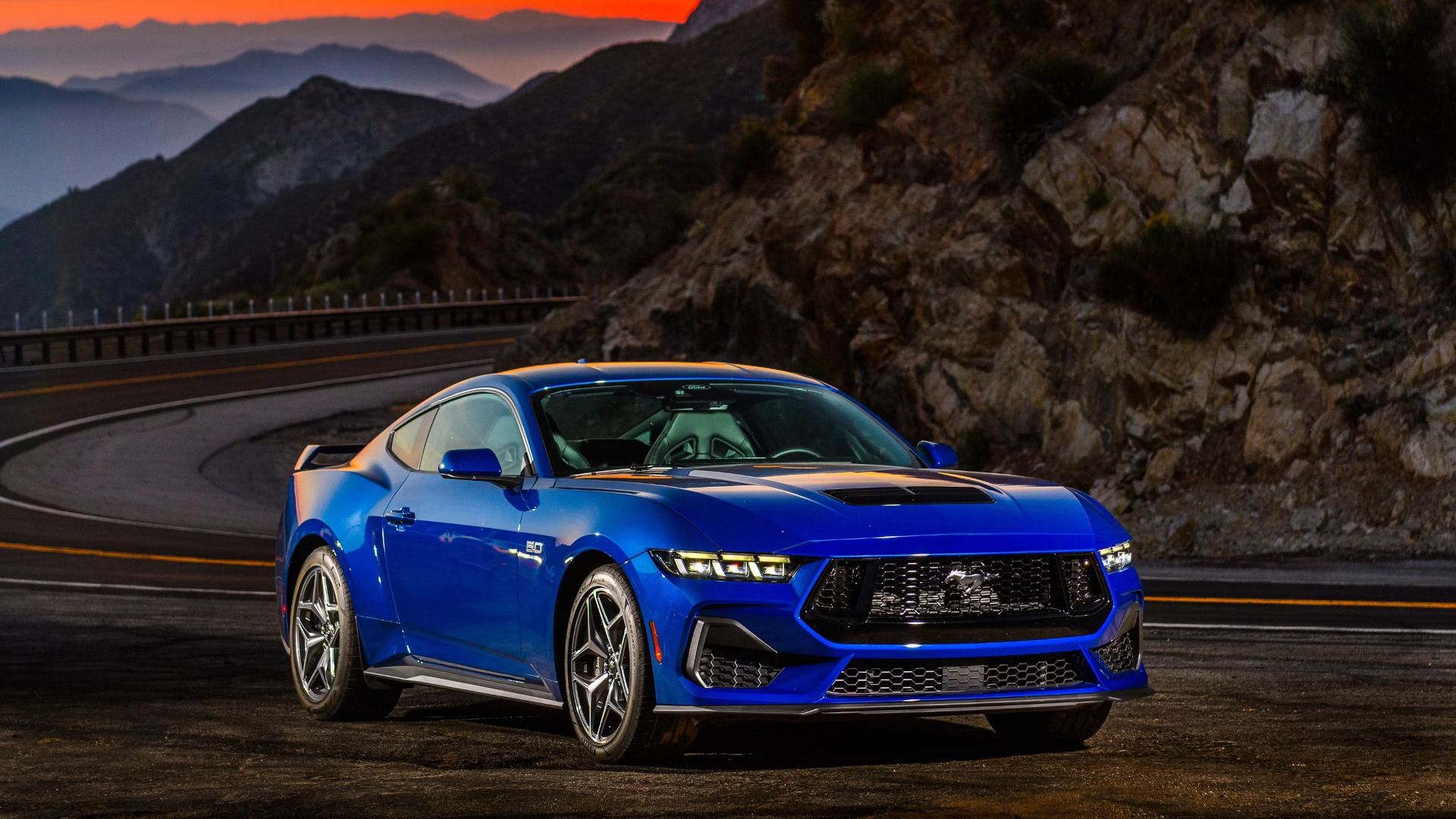
Table of Contents
- Historical Evolution of the Ford Mustang
- Origins and Cultural Context of the 1964 Debut
- Chronological Design Iterations and Technological Advancements
- Mechanical and Performance Specifications of Modern Ford Mustang Models
- Powertrain Configurations and Performance Metrics
- Drivetrain Architectures and Transmission Options
- Suspension Systems and Handling Dynamics
- Cultural and Pop Culture Significance of the Ford Mustang
- Iconic Appearances in Film, Music, and Television
- Notable Mustang Models as Cultural Symbols
- Marketing and Celebrity Endorsements as Cultural Catalysts
- Comparative Analysis: U.S. vs. International Cultural Impact
- Design Aesthetics and Customization of the Ford Mustang
- Evolution of Exterior Design Language
- Identifying Key Design Cues Across Generations
- Aftermarket Customization Scene and Modification Guide
- FAQ
- What does "dark horse" mean in relation to the Ford Mustang?
- What is the name of the Ford Mustang SUV?
- What does the Ford Mustang logo look like?
- What is the Ford Mustang GTD?
- What is the Ford Mustang Ranch?
- What is the Mustang from the movie Gone in 60 Seconds ?
The Ford Mustang stands as a defining icon in automotive history, transcending its role as a vehicle to become a cultural phenomenon that embodies innovation, performance, and American ingenuity. Since its revolutionary debut in 1964, the Mustang has redefined industry standards with groundbreaking engineering, from its muscular V8 engines to cutting-edge hybrid systems, while maintaining an unmistakable design language that evolves with each generation. Beyond its mechanical prowess, the Mustang has cemented its place in pop culture, starring in legendary films, music, and advertising campaigns that amplify its symbolism as a badge of freedom, rebellion, and aspiration. This exploration examines the Mustang’s journey—from its origins as a response to market demand to its modern iterations—highlighting how it has consistently balanced performance, aesthetics, and cultural resonance across decades.
The vehicle’s legacy is further enriched by its adaptability, catering to diverse driving experiences through advanced drivetrain configurations, customization possibilities, and technological integrations. Whether on a racetrack, in a Hollywood blockbuster, or as a daily driver, the Mustang’s influence extends beyond the automotive realm, shaping perceptions of speed, style, and identity. By analyzing its historical milestones, mechanical advancements, and cultural impact, this discussion underscores why the Mustang remains an enduring symbol of automotive excellence and American heritage.
Historical Evolution of the Ford Mustang
The Ford Mustang emerged as a defining force in automotive history, blending American ingenuity with cultural aspirations of freedom and performance. Introduced in April 1964, the Mustang was not merely a car but a symbol of the post-war consumer boom, designed to bridge the gap between affordability and sportiness. Its creation was a strategic response to shifting market demands, leveraging Ford’s existing platform (the Falcon) while introducing a bold, youth-oriented identity. The Mustang’s debut marked the birth of the pony car segment, reshaping automotive design, engineering, and marketing for decades to come.
The Mustang’s origins trace back to Ford’s internal "Total Performance" initiative, spearheaded by Lee Iacocca, who envisioned a compact, high-revving sports car priced under $2,500. Collaborations with designers like Joe Oros and engineers like Donald N. Frey resulted in a vehicle that balanced aggression with approachability. Its long hood, short deck, and fastback roofline were inspired by European sports cars like the Jaguar E-Type, while its affordability and American muscle appeal set it apart. The initial response was unprecedented: over 400,000 Mustangs were sold in its first year, a record that cemented its legacy as one of the most successful product launches in automotive history.
Origins and Cultural Context of the 1964 Debut
The Mustang’s development was rooted in Ford’s need to revitalize its image amid competition from Chevrolet’s Corvette and European imports like the Volkswagen Beetle. The car’s design philosophy prioritized visual dynamism and accessibility, targeting young professionals and enthusiasts who sought performance without the premium price tag of traditional sports cars. Key influences included:The car’s debut at the New York World’s Fair in April 1964 was accompanied by a $17 million marketing campaign, the largest in automotive history at the time. Advertisements emphasized themes of youth, freedom, and rebellion, positioning the Mustang as the "total car for total people." This approach resonated deeply, with the model’s name—inspired by the P-51 Mustang fighter plane—evoking a sense of speed and heritage.
Chronological Design Iterations and Technological Advancements
The Mustang’s evolution spans six generations, each reflecting advancements in engineering, aerodynamics, and safety while maintaining its core identity. Below is a timeline of key iterations, highlighting defining characteristics and technological milestones:| Generation | Production Years | Iconic Models | Defining Characteristics | Technological/Design Innovations | ||||||||||||||||||||||||||||||||||||||||||||||||||
|---|---|---|---|---|---|---|---|---|---|---|---|---|---|---|---|---|---|---|---|---|---|---|---|---|---|---|---|---|---|---|---|---|---|---|---|---|---|---|---|---|---|---|---|---|---|---|---|---|---|---|---|---|---|---|
| First Generation | 1964.5–1973 | Shelby GT350/GT500 |
|
|
||||||||||||||||||||||||||||||||||||||||||||||||||
| Boss 302 |
|
|
||||||||||||||||||||||||||||||||||||||||||||||||||||
| Second Generation | 1974–1978 | Mustang II |
|
|
||||||||||||||||||||||||||||||||||||||||||||||||||
| Boss 302 (1979) |
|
|
||||||||||||||||||||||||||||||||||||||||||||||||||||
| Third Generation | 1979–1993 | Fox-body |
|
|
||||||||||||||||||||||||||||||||||||||||||||||||||
| LMP (1983–1986) |
|
Mechanical and Performance Specifications of Modern Ford Mustang ModelsThe Ford Mustang’s evolution has consistently emphasized mechanical innovation, blending high-performance engineering with advanced drivetrain technologies. Modern iterations feature a diverse powertrain lineup—ranging from turbocharged four-cylinders to supercharged V8s and hybrid systems—each tailored to distinct performance demands. These specifications define the Mustang’s versatility, from daily commuting to track dominance, while adaptive suspension systems and drivetrain configurations further refine its capability across driving scenarios. The following sections dissect the core mechanical components, performance benchmarks, and drivetrain applications of contemporary Mustang variants.Powertrain Configurations and Performance MetricsThe current Mustang lineup integrates a spectrum of engine options, categorized by displacement, forced induction, and hybridization. The EcoBoost family—comprising 2.3L and 3.0L turbocharged four-cylinder and V6 engines—prioritizes fuel efficiency and responsive power delivery, while the V8 engines (5.0L Coyote and 6.2L Godzilla) deliver brute force for enthusiasts. Hybrid systems, such as the 2.3L EcoBoost paired with an electric motor in the Mustang Mach-E, optimize efficiency for electric-first driving. Below are the key specifications for flagship models:- Mustang EcoBoost (2.3L Turbo-4): - Mustang GT (5.0L Coyote V8): - Mustang Shelby GT500 (5.2L Supercharged V8): - Mustang Mach-E (2.3L EcoBoost Hybrid): Performance Comparison Table (2024 Models)
Drivetrain Architectures and Transmission OptionsThe Mustang’s drivetrain configurations—rear-wheel drive (RWD), all-wheel drive (AWD), and hybrid electric (HEV)—are engineered to balance traction, performance, and adaptability. RWD remains the cornerstone for pure driving dynamics, favored in track applications due to its weight distribution and simplicity. AWD, introduced in the Mustang GT Premium, enhances off-road capability and inclement-weather grip, while the Mach-E’s HEV system leverages electric torque for instant responsiveness.Transmission choices further tailor the driving experience: Real-World Applications: Suspension Systems and Handling DynamicsModern Mustang suspension architectures integrate adaptive damping, magnetic ride control, and coilovers to optimize handling across diverse conditions. The GT’s Magnetic Ride Control (MRC) adjusts damping rates in real-time, reducing body roll during spirited driving while maintaining comfort on highways. Off-road variants, such as the Mustang GT Premium with AWD, feature adaptive dampers that firm up at higher speeds or over rough terrain.Key Suspension Configurations: - Mustang GT Premium (AWD): - Mustang Mach-E (Electric): Performance Enhancements: Cultural and Pop Culture Significance of the Ford MustangThe Ford Mustang transcends its mechanical attributes to occupy a revered position in American and global pop culture, embodying ideals of freedom, rebellion, and aspiration. Since its debut in 1964, the Mustang has been immortalized in film, music, and advertising, shaping automotive mythology and influencing generational perceptions of performance and design. Its presence in iconic media moments—from Steve McQueen’s high-speed chases to its role as a symbol of luxury in modern marketing—demonstrates its adaptability as a cultural icon. Beyond entertainment, the Mustang’s marketing campaigns and celebrity endorsements have reinforced its status as a vehicle that reflects societal values, from the counterculture of the 1960s to the tech-driven individualism of the 21st century.The Mustang’s cultural legacy is not static; it evolves alongside societal trends, often redefining its identity through limited editions and collaborations that resonate with contemporary audiences. While its impact is most pronounced in the U.S., the Mustang’s global appeal has been shaped by regional adaptations, such as left-hand drive models for international markets and limited editions tailored to local tastes. This section explores the Mustang’s enduring presence in media, its role as a marketing tool, and its varying cultural significance across different markets, illustrating how a single vehicle has become a mirror of collective aspirations. Iconic Appearances in Film, Music, and TelevisionThe Ford Mustang’s most enduring cultural moments stem from its appearances in cinema, where it became synonymous with speed, rebellion, and American ingenuity. Films like Bullitt (1968) and Gone in 60 Seconds (1974) cemented the Mustang’s reputation as a machine capable of both aesthetic brilliance and raw performance. In Bullitt, the 1968 Shelby GT500’s high-speed chase through San Francisco’s streets remains one of the most replicated driving scenes in history, while Gone in 60 Seconds popularized the idea of the Mustang as a target for automotive theft and modification. Beyond film, the Mustang has appeared in music videos, television shows, and commercials, often serving as a visual shorthand for American culture.Notable examples include: These appearances have not only driven sales but also shaped public perception, positioning the Mustang as a vehicle that transcends its mechanical function to become a cultural artifact. Notable Mustang Models as Cultural SymbolsCertain Mustang models have achieved legendary status due to their performance, design, or media presence. These models often become collectible items and are frequently referenced in automotive discussions, reinforcing the Mustang’s mythos. Below are key examples and their cultural significance:The 1967 Shelby GT500 remains the quintessential muscle car, embodying the raw power and rebellious spirit of the 1960s. Its 428 cubic-inch V8 engine, aggressive styling, and appearances in Gone in 60 Seconds and Bullitt solidified its place in automotive history as the ultimate American performance car. The 2015 Mustang GT marked a turning point in the Mustang’s evolution, blending retro-inspired design with modern performance. Its debut in Baby Driver and subsequent use in marketing campaigns positioned it as a vehicle for a new generation, bridging the gap between classic muscle cars and contemporary tech-driven driving experiences. The 1969 Boss 302 became a symbol of Ford’s engineering prowess and the Mustang’s racing heritage. Designed for Trans-Am competition, its lightweight construction and high-revving engine made it a favorite among enthusiasts and collectors, further cementing the Mustang’s reputation as a track-ready machine. The 2020 Shelby GT500 revived the GT500 nameplate with a supercharged 760-horsepower V8, blending modern performance with classic Shelby aesthetics. Its limited production and high performance made it a status symbol, appealing to both purists and performance seekers.These models exemplify how the Mustang has adapted to cultural shifts while maintaining its core identity as a vehicle of passion and performance. Marketing and Celebrity Endorsements as Cultural CatalystsFord’s marketing strategies have consistently positioned the Mustang as a symbol of freedom, rebellion, or luxury, depending on the era and target audience. Early campaigns in the 1960s emphasized the Mustang as an affordable yet powerful vehicle for the masses, while later advertisements leaned into themes of individualism and technological innovation. Celebrity endorsements have played a crucial role in shaping the Mustang’s image, with figures like Steve McQueen and Paul Newman lending credibility and aspirational appeal.Key marketing campaigns and endorsements include: Celebrity endorsements have further amplified the Mustang’s cultural significance: These strategies have ensured the Mustang’s relevance across generations, adapting its messaging to reflect changing cultural values. Comparative Analysis: U.S. vs. International Cultural ImpactWhile the Mustang’s cultural impact is most pronounced in the U.S., its global appeal has been shaped by regional preferences, adaptations, and marketing strategies. The following table compares the Mustang’s significance in domestic and international markets, highlighting key differences in perception and adaptation:
Design Aesthetics and Customization of the Ford MustangThe Ford Mustang’s design evolution reflects its role as an American icon, blending automotive innovation with cultural symbolism. From the sharp, angular lines of the 1960s to the sleek, tech-integrated contours of modern iterations, each generation embodies distinct design philosophies. Signature elements—such as grille shapes, taillight motifs, and body proportions—serve as visual markers of eras, while customization options have expanded alongside technological advancements. The Mustang’s aesthetic adaptability extends beyond OEM offerings, with an aftermarket ecosystem that redefines performance, style, and individuality.The interplay between heritage and modernity defines the Mustang’s design language. Early models prioritized aggressive, muscular styling cues, while contemporary versions emphasize aerodynamics, digital integration, and driver-centric ergonomics. Customization further diversifies the Mustang’s identity, from subtle badging tweaks to full-scale restomods, ensuring its relevance across decades of automotive culture. Evolution of Exterior Design LanguageThe Mustang’s exterior design has undergone transformative shifts, each aligned with automotive trends and engineering capabilities. The 1964–1966 first generation introduced the long-hood, short-deck (LHSD) silhouette, characterized by sharp creases, exposed headlight bezels, and a split grille. The 1967–1973 second generation softened edges with rounded fenders and integrated taillights, while the 1979–1993 third generation adopted a more conservative, aerodynamic profile with a sloping roofline and rectangular headlights.The 1994–2004 fourth generation revived the LHSD theme with a retro-inspired front end, including a vertical grille and exposed headlights, though critics deemed it overly derivative. The 2005–2014 fifth generation refined aggression with a more sculpted hood, aggressive front fascia, and LED taillights, while the 2015–present sixth generation embraced futurism through a mesh grille, angular LED lighting, and a fastback silhouette. The 2024 S650 further pushes boundaries with a retro-modern hybrid design, blending 1960s cues (e.g., vertical grille slats, exposed headlight housings) with contemporary elements like a digital instrument cluster and adaptive aerodynamics. Signature Design Cues by Generation: Identifying Key Design Cues Across GenerationsDistinguishing Mustang generations relies on a combination of exterior, interior, and mechanical details. Below is a step-by-step guide to recognizing defining features, including subtle badging and hidden elements.Exterior Identification: Interior Identification: Hidden Details: Aftermarket Customization Scene and Modification GuideThe Mustang’s aftermarket thrives on performance enhancements, aesthetic transformations, and technological upgrades, catering to enthusiasts seeking to personalize their vehicles. Modifications range from bolt-on upgrades to full restorations, with costs and complexity varying widely. Below is a categorized breakdown of popular modifications, organized by purpose, cost, and complexity, along with their impact on aesthetics or performance.Common Aftermarket Modifications:
The Ford Mustang’s story is more than a chronicle of automotive evolution—it is a testament to how a vehicle can transcend its functional purpose to become a cultural touchstone. From its 1964 debut as a game-changing pony car to its modern incarnations pushing the boundaries of performance and sustainability, the Mustang has consistently redefined what it means to drive with passion and purpose. Its mechanical innovations, from high-revving V8s to electric hybrids, reflect a commitment to progress, while its design language—whether retro-inspired or futuristic—continues to captivate global audiences. As a symbol of freedom, rebellion, and luxury, the Mustang’s legacy endures not just in showrooms or racetracks, but in the collective imagination, proving that its impact on automotive history is as timeless as its roar on the open road. FAQWhat does "dark horse" mean in relation to the Ford Mustang?The "dark horse" refers to the Ford Mustang Dark Horse, a limited-edition trim package introduced in 2020. It features a blacked-out exterior with red accents, aggressive styling cues, and performance upgrades like a sport-tuned suspension. The name "Dark Horse" evokes a surprise underdog, fitting the Mustang’s rebellious heritage. What is the name of the Ford Mustang SUV?The SUV version of the Mustang is called the Ford Mustang Mach-E, launched in 2021. It’s an all-electric crossover built on Ford’s global electric platform, offering three trims (Select, Premium, and GT) with varying ranges and performance levels. Unlike the classic Mustang, it’s a fully electric vehicle with no internal combustion engine option. What does the Ford Mustang logo look like?The Mustang logo features a stylized "P" (for "Pony") integrated into a shield shape, with the word "Mustang" arched above it. The design was introduced in 1965 and has remained largely unchanged, though modern versions may include subtle metallic or color variations. The logo is often paired with the Ford emblem on the grille. What is the Ford Mustang GTD?The Mustang GTD is a hybrid performance model introduced in 2023, combining a 2.3L turbocharged 4-cylinder engine with an electric motor. It delivers 350 horsepower and an EPA-estimated 46 miles per gallon, making it the most fuel-efficient GT Mustang ever. The "D" stands for "Dual" (dual-fuel system), blending efficiency with sporty handling. What is the Ford Mustang Ranch?The Ford Mustang Ranch refers to a concept or limited-edition model inspired by the 1960s "Ranch" trim, which featured a two-tone paint scheme and a sporty, stripped-down look. While no official modern "Ranch" exists, Ford has occasionally released retro-themed Mustangs (like the 2020 "Ranch Red" special edition) paying homage to the original. The term is also used colloquially for any Mustang with a vintage ranch-style aesthetic. What is the Mustang from the movie Gone in 60 Seconds?The iconic Mustang in Gone in 60 Seconds (1974) is a 1967 Ford Mustang Shelby GT500, famously stolen by Nicolas Cage’s character in the 2000 remake. The original film used a 1967 Mustang Fastback (not a Shelby) for the heist scenes, but the GT500’s aggressive styling became synonymous with the movie’s legacy. Both versions are based on the first-generation (1965–1966) Mustang body style. |

Leave a Comment
Comments are moderated before appearing. The data you submit is processed according to the Privacy Policy of viralcontentbee.com.