what is seo service and why businesses must prioritize it
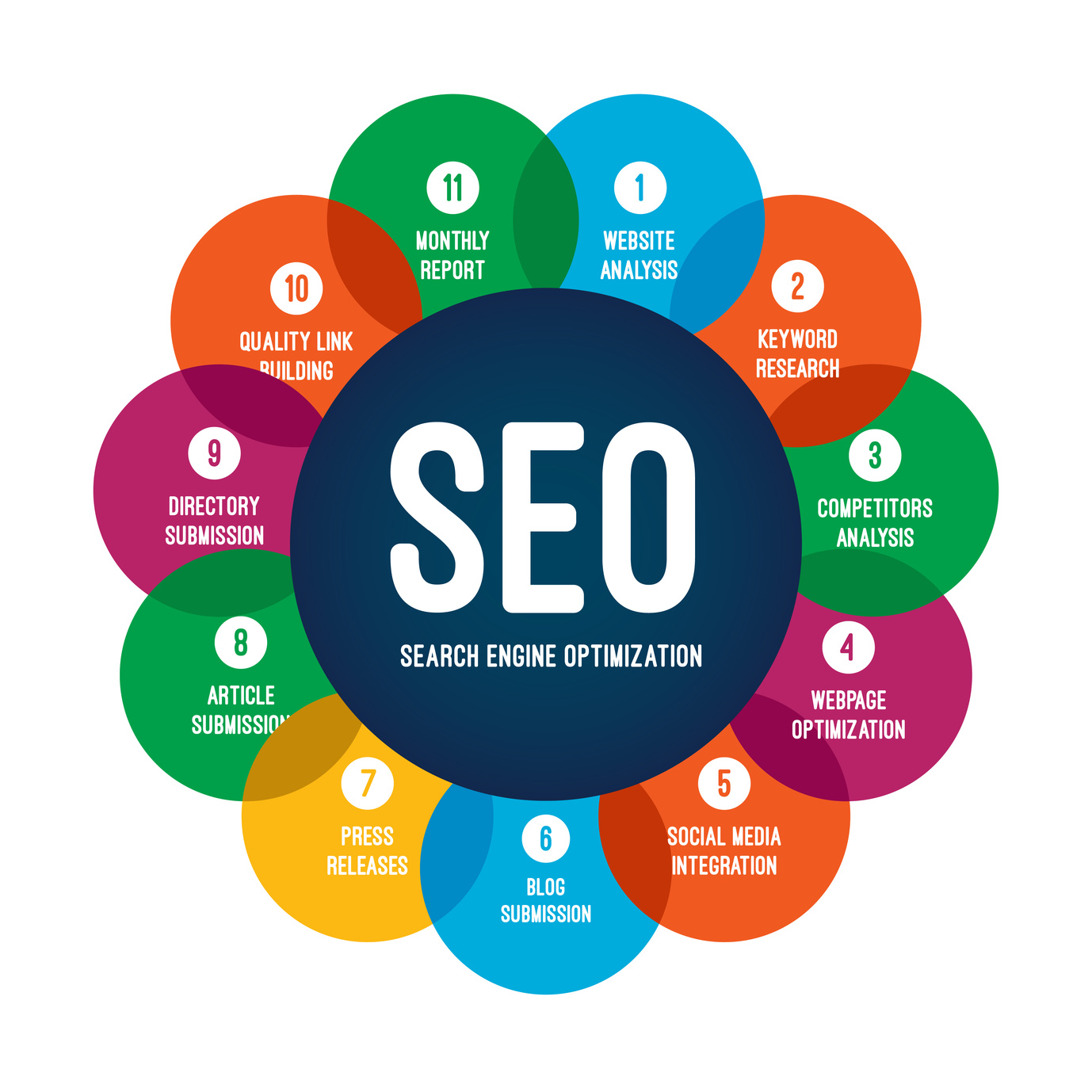
Table of Contents
- Definition and Core Purpose of an SEO Service
- Comparison Between Traditional Marketing and SEO Service Methods
- Basic Steps for Hiring an SEO Service for the First Time
- SEO Service Challenges Across Industries
- Key Components of an Effective SEO Service
- Technical SEO: Infrastructure and Performance Optimization
- How SEO Services Drive Organic Traffic and Conversions
- Mechanism of Organic Traffic Growth Through SEO
- Case Study: 12-Month Organic Traffic Transformation
- Comparison: Organic SEO vs. Paid Advertising (PPC)
- Local SEO for Brick-and-Mortar Businesses
- Choosing the Right SEO Service Provider
- Checklist for Evaluating SEO Service Providers
- In-House SEO Teams vs. Outsourced SEO Services
- Request for Proposal (RFP) Template for SEO Service Providers
- Advanced Strategies and Tools in Modern SEO Services
- AI and Machine Learning in SEO: Transforming Keyword Research, Content, and Predictive Analytics
- Essential SEO Tools and Their Specialized Applications
- Voice Search Optimization: Adapting Content Structure to Natural Language Queries
- Leveraging UX Signals to Improve Rankings: Mobile-Friendliness, Page Speed, and Beyond
- Actionable Recommendations for Integrating Advanced SEO Strategies
- Measuring Success: KPIs and Reporting in SEO Services
- Key Performance Indicators for Tracking SEO Effectiveness
- Sample Monthly SEO Report Template
Search engine optimization services represent a cornerstone of modern digital marketing by systematically enhancing online visibility and driving sustainable organic growth. Unlike traditional advertising methods that rely on paid placements, SEO services focus on aligning content, technical infrastructure, and user intent with search engine algorithms to deliver measurable long-term results. This approach not only expands audience reach but also optimizes cost efficiency by targeting high-intent users already searching for solutions, making it indispensable for businesses navigating competitive markets.
The evolution of SEO has transformed it from a niche technical discipline into a strategic imperative, bridging the gap between consumer demand and brand discovery. By leveraging data-driven insights, businesses can refine their digital presence to rank higher in search results, improve engagement metrics, and ultimately convert visitors into loyal customers. Whether addressing industry-specific challenges—such as local foot traffic for brick-and-mortar stores or global scalability for SaaS platforms—SEO services adapt to deliver tailored solutions that align with operational goals and market dynamics.
Definition and Core Purpose of an SEO Service
Search Engine Optimization (SEO) services enhance a website’s visibility in organic (non-paid) search engine results by optimizing its structure, content, and technical elements to align with search engine algorithms. The core purpose is to attract high-quality, targeted traffic by improving rankings for relevant keywords, thereby increasing brand credibility, user engagement, and conversions without relying on paid advertisements. Unlike traditional marketing, which often depends on broad outreach (e.g., print ads, TV commercials, or billboards), SEO targets users actively searching for specific solutions, ensuring a more precise and cost-effective audience reach.SEO services function as a long-term strategy, whereas traditional marketing tactics—such as pay-per-click (PPC) ads or direct mail—deliver immediate but temporary results. While PPC campaigns require continuous spending to maintain visibility, SEO builds sustainable organic traffic over time, reducing dependency on ad budgets. Additionally, traditional marketing methods often lack measurable ROI tracking beyond basic metrics like impressions or clicks, whereas SEO provides detailed analytics on keyword performance, user behavior, and conversion rates.
Comparison Between Traditional Marketing and SEO Service Methods
Traditional marketing relies on interruptive tactics designed to capture attention through mass media, whereas SEO leverages data-driven, user-centric approaches to meet demand organically. The key differences lie in audience reach, cost efficiency, and measurability:- Audience Reach:
Traditional marketing casts a wide net, targeting broad demographics (e.g., a TV ad for a new smartphone brand may reach millions, including non-targeted viewers). SEO, however, focuses on users actively searching for specific products or services, ensuring higher intent and relevance. For example, a local bakery using SEO to rank for "gluten-free cupcakes near me" attracts customers already seeking its offerings, whereas a billboard ad may attract passersby with no immediate interest.
- Cost Efficiency:
Traditional marketing channels (e.g., print ads, radio spots) incur fixed or high variable costs regardless of performance. SEO, while requiring an initial investment in optimization and content creation, generates ongoing organic traffic without per-click or per-impression fees. A study by HubSpot (2023) found that businesses earn $22 for every $1 spent on SEO, compared to a $2–$3 return for every $1 spent on traditional advertising (e.g., direct mail or TV). Over time, SEO’s compounding effects reduce customer acquisition costs (CAC) significantly.
- Measurability and Adaptability:
Traditional marketing metrics (e.g., ad recall scores) are often qualitative and difficult to tie directly to sales. SEO provides real-time, actionable data through tools like Google Analytics, allowing businesses to track keyword rankings, traffic sources, bounce rates, and conversion funnels. This data enables iterative optimizations, such as refining content based on user search behavior or adjusting technical SEO to improve mobile usability—a dynamic process impossible with static ads.
Basic Steps for Hiring an SEO Service for the First Time
Businesses new to SEO often follow a structured onboarding process to ensure alignment with their goals. Below is a simplified flowchart outlining the key stages, represented as a table for clarity:| Step | Action | Key Considerations | Example |
|---|---|---|---|
| 1 | Define Objectives |
Establish measurable goals (e.g., increase organic traffic by 30% in 6 months, achieve 50 leads/month from blog content). Align SEO with broader business KPIs (e.g., sales, brand awareness). |
An e-commerce store sets a goal to rank for "organic skincare products" to drive 10,000 monthly visits. |
| 2 | Conduct a Website Audit |
Assess technical SEO (site speed, mobile-friendliness, crawlability) and content gaps. Identify issues like broken links, duplicate content, or poor URL structures. |
A SaaS company discovers its checkout page loads in 8 seconds (above Google’s 3-second threshold), hurting conversions. |
| 3 | Keyword Research and Strategy |
Research high-intent keywords with moderate competition. Prioritize long-tail keywords (e.g., "best CRM for small businesses under $50/month") for targeted traffic. |
A local plumbing service targets "emergency plumber in [City]" (high intent) instead of generic "plumbing services." |
| 4 | Content Optimization and Creation |
Develop or refine content (blogs, product pages, FAQs) to address user queries and incorporate keywords naturally. Ensure content provides value (e.g., how-to guides, comparisons) to improve dwell time. |
A fitness brand publishes a 3,000-word guide on "home workout routines for beginners" to target health-conscious users. |
| 5 | On-Page and Off-Page SEO Implementation |
On-Page: Optimize meta tags, headers, internal linking, and image alt text. Off-Page: Build backlinks from authoritative sites (e.g., industry publications, guest posts). |
An online course platform earns backlinks from education blogs linking to its "best online marketing courses" page. |
| 6 | Monitor and Report |
Use tools like Google Search Console, Ahrefs, or SEMrush to track rankings, traffic, and conversions. Adjust strategies based on performance data (e.g., pivot from low-performing keywords). |
A restaurant chain notices its "vegan menu" page ranks poorly and updates it with customer reviews and location-specific keywords. |
Critical Insight: SEO is iterative. Initial results may take 3–6 months to materialize, but sustained efforts yield exponential growth. Businesses should allocate 12–18 months for measurable ROI, especially in competitive industries.
SEO Service Challenges Across Industries
SEO strategies vary significantly by industry due to differences in search intent, competition, and user behavior. Below are tailored challenges and examples for three distinct sectors:- E-Commerce
Challenges:
Example:
Amazon’s product pages dominate for high-volume keywords, but smaller retailers must leverage long-tail keywords (e.g., "eco-friendly wireless earbuds for sensitive ears") and user-generated content (reviews, Q&As) to build trust.
- Local Businesses (e.g., Restaurants, Salons, Plumbers)
Challenges:
Example:
A pizzeria in Chicago must ensure its GMB listing includes keywords like "deep-dish pizza near [Neighborhood]" and encourages customers to leave reviews with photos of their orders.
- SaaS (Software as a Service)
Challenges:
Key Components of an Effective SEO Service
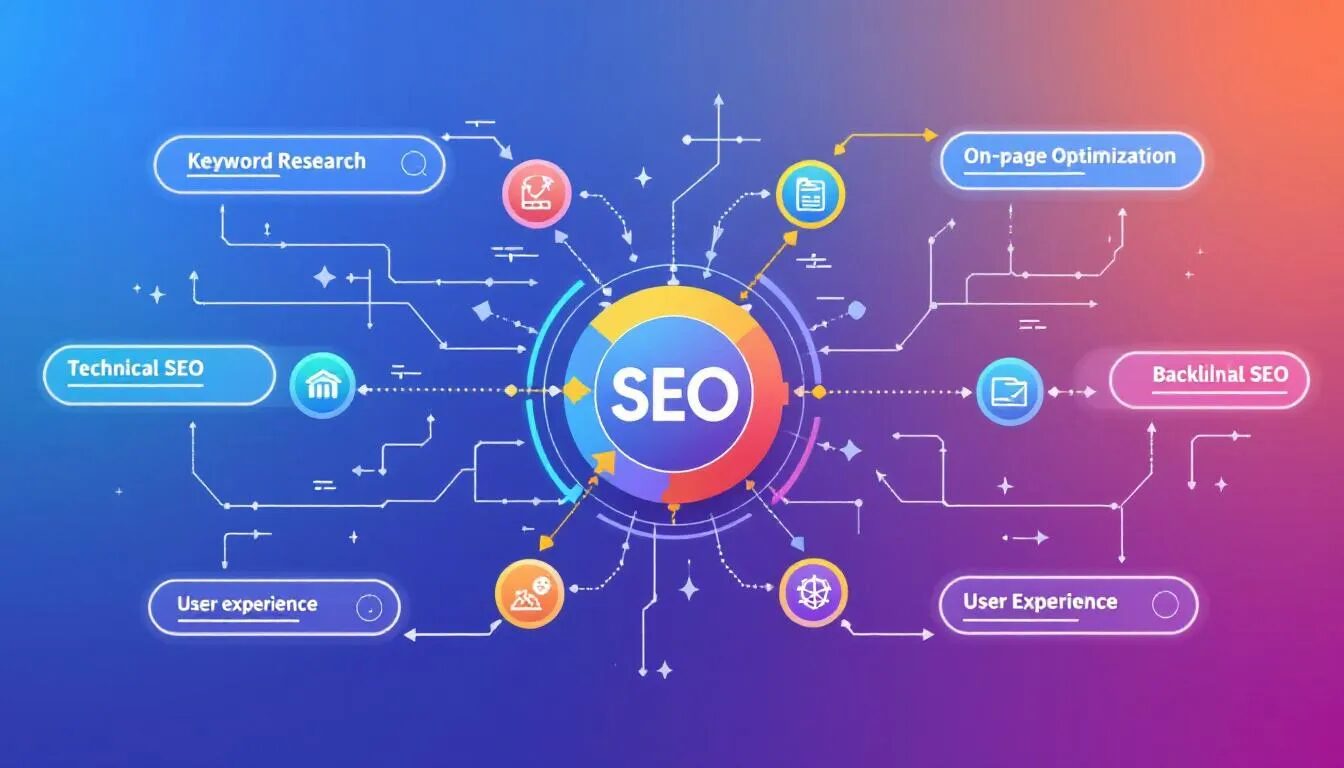
An effective SEO service operates through a structured framework that ensures visibility, authority, and user engagement. The three critical pillars—technical SEO, on-page SEO, and off-page SEO—function as interconnected systems where each pillar addresses distinct aspects of optimization while contributing to a cohesive strategy. Technical SEO establishes the foundation by resolving infrastructure issues, on-page SEO refines content and user experience, and off-page SEO builds external credibility. Their synergy determines whether a website achieves sustainable organic growth or remains stagnant in search rankings.The interplay between these pillars is non-linear; for instance, a technically sound site with high-quality on-page content is more likely to attract authoritative backlinks, reinforcing off-page efforts. Below, the distinct roles of each pillar are outlined, followed by actionable tasks and a procedural integration of core SEO activities.
Technical SEO: Infrastructure and Performance Optimization
Technical SEO focuses on the backend elements that enable search engines to crawl, index, and render a website efficiently. This pillar addresses server configurations, site architecture, speed, security, and mobile compatibility—factors that directly impact rankings and user experience. A poorly optimized technical foundation can lead to indexing errors, slow load times, or security vulnerabilities, all of which deter both users and search engines.The following table presents 10 actionable technical SEO tasks, categorized by priority, with execution steps tailored for non-technical stakeholders. Tasks are grouped under crawlability, indexing, speed, and security to ensure systematic implementation.
| Category | Task | Execution Steps | Tools/Resources | ||||||||||||||||||||||||||||||||||||||||||||||||||||||||||||||||||||||||||||||||||||||||||||||||||||||||||||||||||||||||||||||||||||||||||||||||
|---|---|---|---|---|---|---|---|---|---|---|---|---|---|---|---|---|---|---|---|---|---|---|---|---|---|---|---|---|---|---|---|---|---|---|---|---|---|---|---|---|---|---|---|---|---|---|---|---|---|---|---|---|---|---|---|---|---|---|---|---|---|---|---|---|---|---|---|---|---|---|---|---|---|---|---|---|---|---|---|---|---|---|---|---|---|---|---|---|---|---|---|---|---|---|---|---|---|---|---|---|---|---|---|---|---|---|---|---|---|---|---|---|---|---|---|---|---|---|---|---|---|---|---|---|---|---|---|---|---|---|---|---|---|---|---|---|---|---|---|---|---|---|---|---|---|---|---|
| Crawlability | Submit sitemap to Google Search Console |
|
Google Search Console, Yoast SEO, Screaming Frog | ||||||||||||||||||||||||||||||||||||||||||||||||||||||||||||||||||||||||||||||||||||||||||||||||||||||||||||||||||||||||||||||||||||||||||||||||
| Fix broken internal links |
|
Screaming Frog, Ahrefs, Redirect Path | |||||||||||||||||||||||||||||||||||||||||||||||||||||||||||||||||||||||||||||||||||||||||||||||||||||||||||||||||||||||||||||||||||||||||||||||||
| Optimize robots.txt and meta robots tags |
|
Google Search Console, Screaming Frog | |||||||||||||||||||||||||||||||||||||||||||||||||||||||||||||||||||||||||||||||||||||||||||||||||||||||||||||||||||||||||||||||||||||||||||||||||
| Indexing | Ensure proper canonical tags |
|
Screaming Frog, Yoast SEO | ||||||||||||||||||||||||||||||||||||||||||||||||||||||||||||||||||||||||||||||||||||||||||||||||||||||||||||||||||||||||||||||||||||||||||||||||
| Resolve duplicate content issues |
|
Copyscape, Siteliner, Google Search Console | |||||||||||||||||||||||||||||||||||||||||||||||||||||||||||||||||||||||||||||||||||||||||||||||||||||||||||||||||||||||||||||||||||||||||||||||||
| Improve internal linking structure |
|
Ahrefs, Majestic, Screaming Frog | |||||||||||||||||||||||||||||||||||||||||||||||||||||||||||||||||||||||||||||||||||||||||||||||||||||||||||||||||||||||||||||||||||||||||||||||||
| Speed | Enable browser caching |
|
GTmetrix, WP Rocket, Cloudflare | ||||||||||||||||||||||||||||||||||||||||||||||||||||||||||||||||||||||||||||||||||||||||||||||||||||||||||||||||||||||||||||||||||||||||||||||||
| Optimize image file sizes |
|
TinyPNG, ShortPixel, Cloudflare | |||||||||||||||||||||||||||||||||||||||||||||||||||||||||||||||||||||||||||||||||||||||||||||||||||||||||||||||||||||||||||||||||||||||||||||||||
| Security | Implement HTTPS (SSL certificate) |
|
Let’s Encrypt, Cloudflare, cPanel
How SEO Services Drive Organic Traffic and ConversionsSEO services optimize digital assets to align with search engine algorithms, ensuring sustained visibility and engagement. By systematically refining on-page elements, technical infrastructure, and off-page authority, SEO transforms organic search into a high-intent traffic pipeline. This process directly impacts key performance metrics—such as click-through rates (CTR), session duration, and conversion rates—through structured data-driven improvements. The following sections outline the mechanistic flow from optimization to measurable outcomes, illustrate a 12-month traffic transformation case study, and contrast organic SEO with paid advertising models.Mechanism of Organic Traffic Growth Through SEOSEO services enhance organic traffic by addressing three interconnected phases: discovery, ranking, and engagement. Each phase leverages algorithmic signals to incrementally improve visibility and user interaction.Discovery Phase Ranking Phase Conversion Phase Measurable Outcomes Case Study: 12-Month Organic Traffic TransformationA hypothetical mid-sized e-commerce retailer (specializing in sustainable home goods) implemented a 12-month SEO strategy. Key milestones reflect cumulative efforts in technical SEO, content expansion, and local optimization.
Comparison: Organic SEO vs. Paid Advertising (PPC)While PPC delivers immediate visibility, SEO offers scalable, sustainable growth with distinct trade-offs in cost, control, and longevity.
SEO outperforms PPC in high-intent, low-competition niches (e.g., "B2B SaaS tools for HR") where long-term ROI outweighs upfront costs. For short-term promotions (e.g., Black Friday sales), PPC complements SEO by capturing immediate demand. Local SEO for Brick-and-Mortar BusinessesLocal SEO amplifies visibility for businesses reliant on proximity-based searches. Three pillars—Google My Business (GMB), citations, and review management—directly influence local pack rankings and foot traffic.1. Google My Business Optimization 2. Citations and NAP Consistency 3. Review Management and Reputation Measurable Local SEO Impact: Example for a Coffee Shop: Choosing the Right SEO Service ProviderSelecting an SEO service provider is a critical decision that directly impacts a business’s online visibility, organic growth, and long-term digital strategy. The wrong choice can lead to wasted resources, algorithmic penalties, or stagnant traffic, while the right partner aligns with business goals, employs ethical practices, and delivers measurable results. Businesses must evaluate providers based on transparency, expertise, and alignment with their industry and objectives, ensuring a collaborative approach that balances innovation with sustainable growth.The selection process involves assessing technical capabilities, communication protocols, and scalability, while also distinguishing between in-house and outsourced models. A structured evaluation—such as a request for proposal (RFP)—helps standardize comparisons, while recognizing red flags (e.g., guaranteed rankings or black-hat tactics) is essential to avoid reputational or financial risks. Checklist for Evaluating SEO Service ProvidersA systematic evaluation ensures businesses select an SEO partner capable of delivering tangible outcomes. The following criteria form a foundational checklist, prioritizing transparency, accountability, and strategic alignment.
In-House SEO Teams vs. Outsourced SEO ServicesThe decision to build an in-house SEO team or outsource services depends on budget, expertise availability, and strategic priorities. Each model offers distinct advantages and trade-offs, particularly for startups, small-to-medium businesses (SMBs), and enterprises.
Request for Proposal (RFP) Template for SEO Service ProvidersA well-structured RFP standardizes the evaluation process, ensuring all vendors provide comparable responses. Below is a template covering methodology, deliverables, and expectations. Businesses should customize sections based on their industry (e.g., B2B vs. B2C) and specific pain points (e.g., high bounce rates, low domain authority).
UX signals are not isolated metrics but interconnected—improving mobile speed often enhances accessibility, which in turn boosts engagement signals like dwell time. Actionable Recommendations for Integrating Advanced SEO StrategiesTo implement these strategies effectively, SEO services should:1. Audit Current Performance: Use Google Analytics 4 (GA4) to correlate UX metrics (e.g., bounce rate, session duration) with conversion goals. Identify high-traffic Measuring Success: KPIs and Reporting in SEO ServicesEffective SEO services rely on data-driven decision-making to optimize performance and justify investments. Tracking the right key performance indicators (KPIs) ensures transparency, aligns strategies with business goals, and demonstrates ROI. This section explores essential KPIs, structured reporting methodologies, and analytical techniques to attribute organic traffic to conversions, alongside the role of A/B testing in refining SEO strategies.Key Performance Indicators for Tracking SEO EffectivenessSEO success is quantified through measurable KPIs that reflect both short-term progress and long-term growth. These metrics provide actionable insights into traffic quality, user engagement, and revenue impact. Below are eight critical KPIs categorized by their primary focus areas:Organic traffic growth remains the foundational metric for SEO performance, as it directly correlates with increased visibility and brand awareness. A consistent upward trend indicates effective keyword targeting, technical optimizations, and content strategy execution. For example, a 20% month-over-month (MoM) growth in organic sessions typically signals successful implementation of on-page SEO and backlink acquisition efforts. However, traffic volume alone does not guarantee conversions; it must be analyzed alongside user behavior metrics. Keyword rankings reflect a website’s authority and relevance for targeted search terms. Tracking rankings for primary, secondary, and long-tail keywords helps identify opportunities for optimization, such as refining meta descriptions or improving content depth. Tools like Ahrefs or SEMrush provide historical data to assess whether rankings improve over time, particularly for high-intent keywords tied to conversions. For instance, a keyword ranking in the top 3 for a commercial query (e.g., "best CRM software for small businesses") is more valuable than a position 10 ranking for an informational query (e.g., "what is SEO"). Conversion Rate from Organic TrafficDwell time (or average session duration) indicates how engaging content is for users. Higher dwell times suggest that visitors find value in the page, reducing bounce rates and improving rankings. Google’s algorithm increasingly prioritizes user experience signals, making dwell time a critical indirect ranking factor. For instance, a blog post with a 5-minute average dwell time may rank higher than a similar post with a 30-second duration, assuming other factors are equal. Bounce rate measures the percentage of single-page sessions where users exit without interaction. While a high bounce rate (e.g., >70%) may signal poor content relevance or slow page load times, context matters—informational pages (e.g., "weather forecast") naturally have higher bounce rates than transactional pages (e.g., "product pricing"). Analyzing bounce rate alongside scroll depth and exit pages helps distinguish between technical issues and content misalignment. Backlink profile growth tracks the quantity and quality of inbound links, which remain a core ranking factor. A diverse backlink portfolio with authoritative domains (e.g., .edu, .gov, or industry-specific sites) enhances domain authority. Monitoring metrics like Domain Authority (Moz) or Spam Score (Ahrefs) ensures link-building strategies avoid toxic backlinks, which can penalize rankings. For example, gaining 5 backlinks from high-authority sites may yield better results than 50 links from low-quality directories. Click-Through Rate (CTR) from Search ResultsRevenue attributed to organic traffic directly ties SEO efforts to business outcomes. Calculated by multiplying organic conversion rate by average order value (AOV) and transaction volume, this KPI answers whether SEO drives profitable actions. For example, if organic traffic generates $50,000 monthly revenue with a 3% conversion rate, optimizing for higher-intent keywords could further increase this figure. Sample Monthly SEO Report TemplateA well-structured SEO report communicates performance visually and concisely to stakeholders, including non-technical clients. Below is a template incorporating tables, graphs, and key metrics, formatted for clarity and actionability.Report Header 1. Executive Summary 2. Traffic Overview
3. Keyword Performance
4. Conversion and Revenue Attribution
|
Leave a Comment
Comments are moderated before appearing. The data you submit is processed according to the Privacy Policy of viralcontentbee.com.