What Is A Corp Its Definition Structure And Key Features

Table of Contents
- Definition and Core Characteristics of a Corporation
- Legal Definition and Separate Legal Entity Status
- Four Key Features Distinguishing Corporations
- 1. Limited Liability Protection
- 2. Perpetual Existence
- 3. Centralized Management Structure
- 4. Transferable Shares
- Comparative Analysis: Corporations vs. Alternative Business Structures
- Types of Corporations and Their Structures
- C-Corporations (C-Corps): Taxation, Ownership, and Regulatory Framework
- S-Corporations (S-Corps): Pass-Through Taxation and Ownership Limits
- Benefit Corporations (B-Corps): Purpose-Driven Governance and Transparency
- Decision-Making Flowchart: Selecting a Corporate Type Based on Business Goals
- Governance Models: Publicly Traded vs. Privately Held Corporations
- Ownership and Shareholder Dynamics in Corporations
- Hierarchy of Corporate Ownership and Share Classes
- Shareholder Agreements and Corporate Bylaws
- Corporate Governance and Compliance
- Roles and Responsibilities of the Corporate Board of Directors
- Regulatory Compliance Requirements for Corporations
- Internal Controls to Prevent Fraud and Ensure Compliance
- Segregation of Duties (SoD)
- Audit Trails and Documentation
- Whistleblower Policies and Anonymous Reporting
- Corporate Operations and Financial Mechanics
- Financial Structure and Capitalization
- Cash Flow and Working Capital Management
- Income Statement Analysis and Stakeholder Implications
- Corporate Social Responsibility (CSR) and Modern Trends
- Evolution from Profit-Centric to Stakeholder-Oriented Models
- Corporate Sustainability Initiatives and Stakeholder Alignment
- Motivations Behind CSR in Developed vs. Emerging Markets
A corporation represents a foundational pillar of modern business ecosystems, blending legal autonomy with economic scalability to drive innovation and global trade. As a distinct legal entity, it shields owners from personal liability while enabling access to capital through share issuance, making it the preferred structure for enterprises ranging from startups to multinational conglomerates. This framework not only facilitates perpetual existence beyond individual ownership but also standardizes governance through centralized management and transferable equity, distinguishing it from sole proprietorships or partnerships.
The evolution of corporate structures—from traditional C-corps to socially conscious B-corps—reflects shifting priorities in tax efficiency, stakeholder accountability, and regulatory compliance. Whether navigating tax implications of an S-corp election or aligning operations with Environmental, Social, and Governance (ESG) criteria, corporations must balance profitability with ethical obligations. This exploration dissects the mechanics of corporate formation, governance, and financial operations, equipping stakeholders with the knowledge to leverage its advantages while mitigating risks in an increasingly complex regulatory landscape.
Definition and Core Characteristics of a Corporation
A corporation represents one of the most structured and widely recognized forms of business entities, distinguished by its legal autonomy and distinct separation from its owners. Unlike sole proprietorships or partnerships, a corporation operates as a separate legal entity, granting it rights and obligations independent of its shareholders. This separation underpins its ability to enter contracts, incur debts, sue or be sued, and own property in its own name. The legal framework governing corporations—primarily through corporate law—ensures accountability, investor protection, and continuity, making it a preferred structure for large-scale enterprises and public companies.
The foundational attributes of a corporation are rooted in its legal personhood, which confers four core characteristics that differentiate it from other business structures. These features—limited liability, perpetual existence, centralized management, and transferable shares—form the bedrock of its operational and financial resilience. Below, a structured analysis delineates these distinctions, followed by a comparative table illustrating how corporations contrast with alternative structures such as limited liability companies (LLCs) and sole proprietorships.
Legal Definition and Separate Legal Entity Status
A corporation is defined under common law and statutory provisions (e.g., the Model Business Corporation Act (MBCA) in the U.S. or the Companies Act in the UK) as an artificial person created by law, distinct from its shareholders. This legal fiction enables the corporation to:The corporate veil—a metaphor for this separation—protects shareholders from personal liability for corporate debts, provided the entity complies with formalities such as maintaining separate bank accounts, holding annual meetings, and filing statutory documents. Courts may pierce the corporate veil in cases of fraud, undercapitalization, or commingling of funds, but this remains an exception rather than the rule.
Four Key Features Distinguishing Corporations
The unique attributes of a corporation are designed to balance flexibility, investor protection, and scalability. These features address critical operational and financial needs that alternative structures often cannot fulfill.Importance of Structured Analysis
Corporations are engineered to mitigate risks for stakeholders while enabling growth through capital infusion and shareholder diversification. The following four pillars explain how these mechanisms function in practice:
1. Limited Liability Protection
Shareholders in a corporation are legally insulated from personal liability for the entity’s debts or legal judgments, provided the corporation remains compliant with regulatory requirements. This protection extends to:Exceptions to Limited Liability
2. Perpetual Existence
A corporation’s lifespan is independent of its founders or shareholders, continuing indefinitely unless dissolved by legal action, bankruptcy, or voluntary termination. This permanence is critical for:Mechanisms Ensuring Perpetual Existence
3. Centralized Management Structure
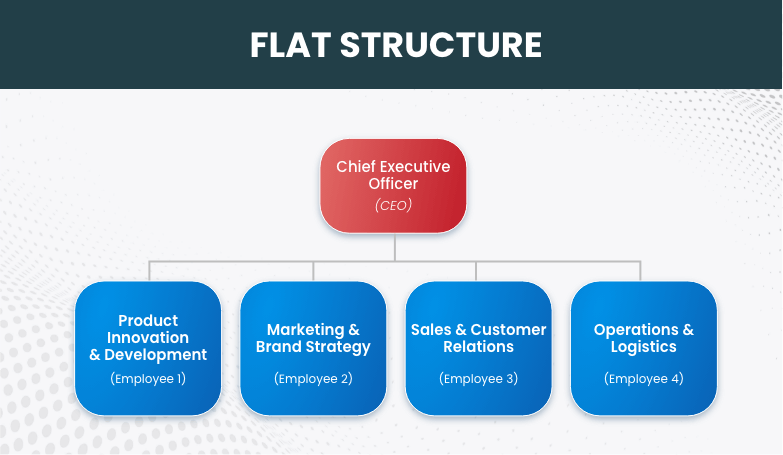
Corporate governance is organized hierarchically, with authority delegated through a board of directors and executive officers. This structure ensures:Key Governance Components
4. Transferable Shares
Shares of stock represent fractional ownership in a corporation and are freely transferable in most cases, enabling:Types of Transferable Shares
Regulatory Considerations
Comparative Analysis: Corporations vs. Alternative Business Structures
The following table contrasts the four defining features of corporations with those of limited liability companies (LLCs), sole proprietorships, and partnerships, highlighting structural and liability differences critical to entity selection.| Feature | Corporation | Alternative Structures |
|---|---|---|
| Limited Liability |
|
|
| Perpetual Existence |
|
|
| Feature | Publicly Traded Corporations | Privately Held Corporations |
|---|---|---|
| Board Composition | Independent directors (majority required by NYSE/NASDAQ). Includes audit, compensation, and nominating committees. | Founder/owner-dominated boards; fewer independent members. Committees may be informal. |
| Shareholder Rights | Voting rights tied to shares; proxy access for major shareholders. Classified boards (staggered elections) common. | Restricted voting (e.g., founders may hold super-voting shares). Transfer restrictions (e.g., right of first refusal). |
| Disclosure Requirements | Mandatory SEC filings (10-K, 10-Q, 8-K). Quarterly earnings reports. Insider trading laws strictly enforced. | No public disclosures; limited to state corporate filings (e.g., annual reports to shareholders). |
| Regulatory Oversight | SEC oversight, Sarbanes-Oxley Act (SOX) compliance. Proxy rules govern shareholder meetings. | State corporate laws (e.g., Delaware General Corporation Law). No SOX requirements. |
| Liquidity & Exit Strategy | Public trading enables liquidity; IPO or secondary offerings possible. | Limited liquidity; exits via mergers, acquisitions, or private sales. |
| Example Structures | C-Corps (e.g., Amazon, Microsoft). Public B-Corps (e.g., Danone). | C-Corps, S-Corps, or LLCs (e.g., Chobani, Mars Inc.). Private B-Corps (e.g., Etsy pre-IPO). |
Ownership and Shareholder Dynamics in Corporations
Corporate ownership structures define the rights, obligations, and governance mechanisms that govern shareholder relationships and decision-making. These dynamics shape investor expectations, corporate control, and financial returns. Shareholder agreements, bylaws, and legal frameworks ensure alignment between ownership interests and corporate objectives, while addressing conflicts through predefined resolutions. Below, the hierarchy of ownership, voting rights, and dispute mechanisms are examined to illustrate how corporations balance individual and collective shareholder interests.Hierarchy of Corporate Ownership and Share Classes
Corporations issue different classes of shares to accommodate varying investor priorities, such as capital appreciation, dividend income, or governance influence. The hierarchy of ownership is determined by the type of shares issued, their associated rights, and their position in liquidation proceedings. Below is a structured breakdown of share classes, their attributes, and their implications for corporate control and financial returns.-
Common Shares
- Voting Rights: Holders typically possess one vote per share, enabling participation in electing the board of directors, approving major transactions (e.g., mergers, asset sales), and amending bylaws. Voting may be cumulative (allowing concentration of votes for specific directors) or non-cumulative, depending on jurisdiction and corporate charter.
- Dividend Entitlement: Dividends are distributed after preferred shareholders are satisfied, subject to board discretion and corporate profitability. Common shareholders bear residual risk and benefit from capital appreciation.
- Liquidation Preferences: In bankruptcy or dissolution, common shareholders receive distributions only after all senior claims (debtholders, preferred shareholders) are settled. Their recovery is contingent on remaining assets.
- Conversion Rights: Some common shares may be convertible into other securities (e.g., preferred shares, debt) under predefined conditions, such as price thresholds or corporate events.
-
Preferred Shares
-
Fixed Dividend Rights: Preferred shareholders receive predetermined dividend yields, often expressed as a percentage of par value or a fixed dollar amount. Dividends may be cumulative (unpaid amounts accrue) or non-cumulative.
Example: A $100 par preferred share with a 6% dividend yield entitles the holder to $6 annually, regardless of corporate profits.
-
Priority in Liquidation: Preferred shareholders rank above common shareholders but below debtholders. Liquidation preferences may include:
- Participating Preferred: Entitles holders to receive liquidation proceeds equal to common shareholders after a specified return (e.g., 2x par value).
- Non-Participating Preferred: Limits recovery to the stated preference (e.g., $100 par + accrued dividends).
- Convertible Preferred: Allows conversion into common shares at a fixed ratio, blending equity and debt-like features.
- Voting Rights: Typically non-voting unless dividends or principal are unpaid for a specified period (e.g., "participating" or "protective provisions"). Some preferred shares include voting rights on specific matters (e.g., board approval of dividends).
- Redemption Features: May include call provisions (corporation repurchases shares at a premium) or put options (holders force redemption under adverse conditions).
-
Fixed Dividend Rights: Preferred shareholders receive predetermined dividend yields, often expressed as a percentage of par value or a fixed dollar amount. Dividends may be cumulative (unpaid amounts accrue) or non-cumulative.
-
Hybrid Securities (e.g., Mandatory Convertible Preferred, Tracking Stock)
- Mandatory Convertible Preferred: Automatically converts to common shares upon specified triggers (e.g., IPO, revenue milestones), aligning incentives between issuers and investors.
- Tracking Stock: Represents ownership in a distinct division or asset (e.g., Disney’s ABC or ESPN shares), isolating performance metrics and investor focus.
- Warrants and Options: Attached to shares or debt, these instruments grant the right (but not obligation) to purchase additional shares at a fixed price, often used to incentivize employees or raise capital.
Shareholder Agreements and Corporate Bylaws
Shareholder agreements and corporate bylaws serve as the operational framework for governance, conflict resolution, and investor protections. While bylaws are internal rules adopted by the board, shareholder agreements are private contracts among investors that may override or supplement bylaws. These documents address critical issues such as deadlocks, transfer restrictions, and minority shareholder rights, ensuring stability in corporate decision-making.-
Purpose and Scope
- Bylaws: Govern routine operations, including board meeting procedures, officer elections, and shareholder voting thresholds (e.g., supermajority requirements for amendments). They are filed with regulatory authorities (e.g., SEC in the U.S.) and may be amended by shareholders or the board, subject to charter provisions.
-
Shareholder Agreements: Private contracts that define rights, obligations, and dispute mechanisms among investors. Common provisions include:
- Drag-along and tag-along rights (transfer restrictions).
- Right of first refusal (ROFR) or co-sale agreements.
- Veto rights over major transactions.
- Buyout or put/call options in case of deadlock or dissolution.
-
Deadlock Provisions and Resolution Mechanisms
-
Deadlock Definition: Occurs when shareholder voting results in an impasse (e.g., 50-50 split among major investors), paralyzing corporate actions. Provisions typically include:
-
Buyout Rights: Mandate the sale of the minority stake to the majority or a third party at a fair market price, determined by appraisal or independent valuation.
Example: A shareholder agreement may stipulate that if voting deadlock persists for 90 days, the minority holder must sell their shares to the majority at a price based on the average of three appraisals.
- Meditation/Arbitration Clauses: Require disputing parties to submit to binding arbitration or mediation before litigation, with decisions enforceable under contract law.
- Board Control Provisions: Specify how board seats are allocated in deadlock scenarios (e.g., rotating chairmanship or independent director appointment).
-
Buyout Rights: Mandate the sale of the minority stake to the majority or a third party at a fair market price, determined by appraisal or independent valuation.
-
Deadlock Definition: Occurs when shareholder voting results in an impasse (e.g., 50-50 split among major investors), paralyzing corporate actions. Provisions typically include:
-
Minority Shareholder Protections
- Veto Rights: Allow minority shareholders to block actions requiring supermajority approval (e.g., charter amendments, asset sales exceeding a threshold). Common thresholds include 10–25% of outstanding shares.
- Right of First Refusal (ROFR): Ensures minority shareholders can match third-party offers to purchase their shares, preventing forced dilution or control transfers.
- Information Rights: Grant minority shareholders access to financial records, board meeting minutes, or independent audits upon request.
- Appraisal Rights: Permit dissenting shareholders to demand cash compensation (determined by court or appraisal) if they oppose a merger or sale, even if they vote against it.
-
Drag-Along and Tag-Along Rights
-
Drag-Along Rights: Enable majority shareholders to compel minority shareholders to join in the sale of the corporation to a third party, typically at the same terms offered to the majority. This ensures transaction completion without minority holdouts.
Provision Example:
"In the event the Majority Shareholder receives a bona fide offer to sell 80% or more of the Company’s outstanding shares, the Majority Shareholder may require Minority Shareholders to sell their shares on the same terms, subject to customary closing conditions." -
Tag-Along Rights: Protect minority shareholders by allowing them to "tag along" in a sale initiated by majority shareholders, ensuring proportional participation. This prevents minority shareholders from being left behind in a partial sale.
Provision Example:
"If any shareholder sells 20% or more of their shares to a third party, other shareholders may require the selling shareholder to offer them the right to sell their shares pro rata on identical terms." - Duty of Care: Requires directors to act with the reasonable diligence and prudence expected of a person in a similar position. Negligence or gross incompetence may lead to liability under Business Judgment Rule exceptions.
- Duty of Loyalty: Mandates directors to prioritize corporate interests over personal or conflicting interests. Self-dealing, insider trading, or undisclosed conflicts violate this duty and can result in constructive fraud claims.
- Duty of Obedience: Obliges directors to ensure the corporation complies with applicable laws, regulations, and its charter. Violations may expose the corporation to criminal charges (e.g., Foreign Corrupt Practices Act (FCPA) violations) or derivative lawsuits.
- Disclosure and Abstention: Directors must disclose potential conflicts and recuse themselves from related votes.
- Independent Oversight: Committees like the Audit Committee must include financially independent directors to review transactions involving related parties.
- Compensation Alignment: Executive pay structures should incentivize long-term performance over short-term gains to reduce misaligned incentives.
- SEC Filings (Public Corporations): Public companies must submit periodic disclosures to the SEC, including:
- Form 10-K: Annual report detailing financial statements, risk factors, and management discussions.
- Form 10-Q: Quarterly financial results and material events.
- Form 8-K: Immediate reporting of material events (e.g., acquisitions, executive changes, or legal proceedings).
- Proxy Statements (DEF 14A): Disclosures for shareholder meetings, including executive compensation and board elections. Consequences of Non-Compliance:
- Civil Penalties: Up to $250,000 per violation (SEC Rule 13a-1) or $10 million for willful violations (Sarbanes-Oxley Act).
- Criminal Charges: Executives may face fines or imprisonment under Securities Exchange Act of 1934 (e.g., Martin Shkreli’s conviction for securities fraud).
- Delisting: The SEC can suspend trading or force a company off exchanges (e.g., Kodak’s 2012 delisting due to late filings).
- Board composition and independence.
- Executive compensation details.
- Risk management policies. Example: Sarbanes-Oxley Act (SOX) Section 404 requires internal control assessments by management and external auditors, with penalties for material misstatements (e.g., WorldCom’s $11 billion fraud).
- Elect directors.
- Approve major transactions (e.g., mergers, stock issuances).
- Vote on corporate amendments. Non-Compliance Risks:
- Shareholder lawsuits for breach of fiduciary duty.
- Regulatory intervention (e.g., SEC enforcement actions for failing to solicit proxy votes).
Segregation of Duties (SoD)
Fraud often exploits concentrated authority where a single individual controls initiation, authorization, execution, and reconciliation of transactions. SoD divides responsibilities to create checks and balances.Example of Segregation:
- Transaction Initiation: Employee requests a payment.
- Authorization: Manager approves within budget limits.
- Execution: Accounts payable processes the payment.
- Reconciliation: Internal audit verifies accuracy.
Failure Case: Theranos’ fraud involved Elizabeth Holmes controlling all aspects of blood-testing operations, enabling $700 million in false claims before detection.
Corporate Governance and Compliance
Corporate governance establishes the framework for decision-making, accountability, and transparency within a corporation, ensuring alignment between stakeholder interests and long-term sustainability. Effective governance mitigates risks, enhances shareholder value, and fosters ethical business practices by defining roles, responsibilities, and compliance obligations. Regulatory adherence, internal controls, and ethical oversight are critical components that distinguish well-managed corporations from those vulnerable to fraud, legal penalties, or reputational damage.Regulatory environments, such as those enforced by the U.S. Securities and Exchange Commission (SEC), European Union (EU) directives, or local financial authorities, impose strict compliance requirements to protect investors, employees, and the public. Non-compliance can result in fines, lawsuits, executive liability, or even corporate dissolution, as demonstrated by cases like Enron (2001), where governance failures led to a $64 billion collapse, or VW’s Dieselgate (2015), where regulatory evasion triggered $30 billion in penalties.
Roles and Responsibilities of the Corporate Board of Directors
The board of directors serves as the governing body of a corporation, overseeing strategic direction, risk management, and fiduciary duties to shareholders. Its structure typically includes inside directors (executives or employees), outside directors (independent professionals), and interlocking directors (affiliated with other corporations). The board’s primary functions are oversight, policy-setting, and accountability, with key committees—such as Audit, Compensation, Nominating, and Governance—specializing in critical areas.Fiduciary duties form the legal foundation for board responsibilities, as outlined in common law (e.g., Delaware General Corporation Law) and statutory provisions. These duties include:
Conflicts of interest arise when a director’s personal or professional relationships compromise impartial decision-making. Mitigation strategies include:
Business Judgment Rule (Delaware Law):
"In making a business decision, directors are presumed to have acted in good faith and with ordinary care unless the decision lacks a rational basis or constitutes self-dealing."Regulatory Compliance Requirements for Corporations
Corporations must adhere to industry-specific, national, and international regulations to maintain legitimacy and avoid legal repercussions. Publicly traded corporations face the most stringent requirements, particularly under SEC regulations, while private corporations may comply with tax codes, labor laws, and industry standards. Non-compliance can lead to civil penalties, criminal charges, or shareholder-derived litigation.Key compliance obligations include:
- Annual Reports and Transparency:
Corporations must publish financial statements (audited for public companies) and corporate governance reports, including:
- Shareholder Meetings and Voting Rights:
Corporations must hold annual meetings (in-person or virtual) to allow shareholders to:
Internal Controls to Prevent Fraud and Ensure Compliance
Internal controls are systems, policies, and procedures designed to prevent fraud, ensure accuracy in financial reporting, and safeguard assets. The Committee of Sponsoring Organizations (COSO) Framework outlines five interconnected components:
1. Control Environment: Tone set by leadership, including ethics, integrity, and governance.
2. Risk Assessment: Identification and analysis of fraud risks, operational threats, and compliance gaps.
3. Control Activities: Policies and procedures to mitigate risks (e.g., approvals, authorizations).
4. Information and Communication: Systems to capture and report relevant data.
5. Monitoring: Ongoing evaluations to detect control failures.Critical internal controls to prevent fraud include:
-
Drag-Along Rights: Enable majority shareholders to compel minority shareholders to join in the sale of the corporation to a third party, typically at the same terms offered to the majority. This ensures transaction completion without minority holdouts.
Audit Trails and Documentation
A paper or digital trail of transactions ensures transparency and accountability. Key elements include:
- Chronological records of all financial transactions.
- Approval logs for significant decisions (e.g., capital expenditures).
- Access logs for sensitive systems (e.g., ERP, payroll). Implementation:
- Use blockchain for immutable records (e.g., Maersk’s trade finance tracking).
- Automated reconciliation tools to flag discrepancies (e.g., SAP or Oracle Financials). Regulatory Requirement: SOX Section 404 mandates documented audit trails for public companies.
Whistleblower Policies and Anonymous Reporting
Whistleblowers provide early warnings of fraud, corruption, or compliance violations. Effective policies include:
- Confidential reporting channels (e.g., hotlines, secure portals).
- Protection from retaliation (enforced by Dodd-Frank Act and EU Whistleblower Directive).
- Incentives: SEC awards up to 30% of sanctions recovered from whistleblower tips (e.g., $104 million awarded in 2022). Example: Wells Fargo’s fake accounts scandal was exposed by internal whistleblowers, leading to $3 billion in fines.
Regular Audits and Independent
Corporate Operations and Financial Mechanics
Corporate financial operations form the backbone of a corporation’s ability to generate value, sustain growth, and fulfill obligations to stakeholders. These mechanics encompass capital structuring, cash flow management, and strategic financial reporting, all of which directly influence a corporation’s market position, creditworthiness, and long-term viability. The interplay between equity and debt financing, the role of financial intermediaries in capital markets, and the optimization of working capital are critical components that determine operational efficiency and shareholder returns.
Financial Structure and Capitalization
The financial structure of a corporation defines how it raises capital to fund operations, expansion, and debt servicing. This structure is typically outlined in a capitalization table (cap table), which details ownership stakes, equity classes, and debt instruments. Corporations rely on two primary financing methods: equity financing, which involves issuing shares to investors in exchange for ownership, and debt financing, where capital is borrowed with repayment obligations including interest. The balance between these methods—often referred to as the capital structure—affects risk, cost of capital, and financial flexibility.Equity financing provides permanent capital without mandatory repayment but dilutes ownership and may impose dividend obligations. Debt financing, conversely, offers tax advantages (via interest deductions) and preserves ownership but introduces leverage risk, where excessive debt can strain cash flows. Underwriters play a pivotal role in initial public offerings (IPOs) and secondary offerings by evaluating market conditions, pricing securities, and distributing shares to institutional and retail investors. Their expertise mitigates risk for issuers while ensuring fair valuation.
Key metrics reflecting a corporation’s capitalization and market perception include:
Metric Definition Example (Hypothetical Tech Corporation) Market Capitalization Total value of outstanding shares; reflects investor confidence and growth potential. $50 billion (100M shares × $500/share) Price-to-Earnings (P/E) Ratio Valuation metric comparing stock price to annual earnings per share (EPS). 25x (Stock price $500 ÷ EPS $20) Debt-to-Equity Ratio Leverage indicator comparing total debt to shareholders' equity. 0.8:1 ($800M debt ÷ $1B equity) Enterprise Value (EV) Total value of the corporation, including debt and minority interest. $52 billion (Market cap $50B + debt $2B – cash $1B) Cash Flow and Working Capital Management
Working capital—the difference between a corporation’s current assets (cash, accounts receivable, inventory) and current liabilities (accounts payable, short-term debt)—directly impacts liquidity and operational continuity. Effective management ensures the corporation can meet short-term obligations while funding growth initiatives. Corporations employ operational leverage (fixed-cost structures like automation) to amplify profitability during high-demand periods, while financial leverage (debt usage) enhances returns but increases insolvency risk.Cash flow analysis distinguishes between operating cash flow (core business activities), investing cash flow (capital expenditures), and financing cash flow (debt/equity transactions). Depreciation and amortization—non-cash expenses representing the allocation of asset costs over time—reduce taxable income but do not impact cash flow directly. However, they influence EBITDA (Earnings Before Interest, Taxes, Depreciation, and Amortization), a key metric for assessing operational performance independent of capital structure decisions.
The interplay between cash flow and working capital is critical for stakeholders:
- Investors assess free cash flow (operating cash flow minus capital expenditures) to gauge dividend sustainability or reinvestment potential.
- Creditors evaluate liquidity ratios (e.g., current ratio, quick ratio) to determine repayment capacity.
- Management balances efficiency (minimizing excess inventory or receivables) with risk (avoiding stockouts or credit defaults).
- Investors prioritize net income and EPS for valuation, while EBITDA helps assess operational health.
- Creditors focus on EBIT and interest coverage ratios (EBIT / Interest Expense = 6.67x) to evaluate debt servicing capability.
- Management uses gross margin and operating margin (EBIT / Revenue = 16.7%) to identify cost efficiencies or pricing strategies.
- ESG Criteria: Investors now evaluate firms based on Environmental (carbon footprint, resource efficiency), Social (labor practices, diversity), and Governance (transparency, anti-corruption) metrics. A 2023 report by BlackRock found that companies with strong ESG scores outperformed peers by 6.5% annually over a 10-year period.
- B Corps: Unlike conventional corporations, B Corps are legally required to consider stakeholder impact—employees, communities, and the environment—as equally important as shareholder returns. Over 5,000 certified B Corps globally, including Patagonia and Ben & Jerry’s, operate under this model, with 3x higher revenue growth than non-B Corps in sustainability-focused sectors (B Lab, 2022).
- Unilever’s Sustainable Living Plan:
- Goal: Reduce greenhouse gas emissions by 50% per ton of production by 2030 (vs. 2010 baseline).
- Achievement: Cut emissions by 33% in 2022, ahead of schedule.
- Stakeholder Alignment: Responds to consumer demand for eco-friendly products (73% of global consumers prefer sustainable brands, Nielsen, 2021) and investor pressure to decarbonize supply chains.
- IKEA’s Climate-Positive Strategy:
- Goal: Become climate-positive by 2030 (removing more CO₂ than emitted).
- Actions:
- Transitioned 100% of electricity to renewable sources in owned operations.
- Introduced solar panels on 90% of stores by 2023.
- Metrics: Reduced emissions by 70% in owned stores since 2016.
- Patagonia’s Fair Trade Certified™ Program:
- Goal: Ensure living wages and safe working conditions for garment workers.
- Achievements:
- 100% of cotton sourced sustainably (organic or recycled).
- $10M+ invested in worker cooperatives in 2022.
- Stakeholder Impact: Aligns with consumer ethics (66% of millennials prioritize ethical sourcing, Deloitte, 2023) and regulatory compliance (e.g., EU’s Corporate Sustainability Due Diligence Directive).
- Nestlé’s Cocoa Plan:
- Goal: Eliminate child labor and deforestation in cocoa supply chains by 2025.
- Progress:
- Trained 1.5M farmers in sustainable practices.
- Reduced deforestation-linked cocoa by 40% since 2014.
- Investor Response: ESG funds like CalPERS now require Nestlé to disclose supply chain audits as a condition for investment.
- Mastercard’s Pledge to Advance Racial Equity:
- Goal: Close the racial wealth gap by investing in Black-owned businesses.
- Actions:
- $500M committed to economic empowerment programs by 2025.
- 50% of supplier spend directed to diverse-owned vendors by 2030.
- Metrics: Increased Black business revenue by $1.2B in pilot programs (2020–2022).
- Microsoft’s AI for Accessibility:
- Goal: Make technology inclusive for people with disabilities.
- Initiatives:
- $25M fund for AI research in accessibility.
- 12M+ users benefited from AI-powered tools like Seeing AI (2023).
- Stakeholder Benefit: Addresses regulatory demands (e.g., ADA compliance) and talent retention (69% of employees with disabilities report higher loyalty to inclusive employers, Accenture, 2022).
- Mandatory disclosures: EU’s Corporate Sustainability Reporting Directive (CSRD) requires detailed ESG reporting for listed companies.
- Carbon pricing: EU’s Emissions Trading System (ETS) imposes costs on high-emission industries.
- Anti-corruption laws: UK Bribery Act and U.S. Foreign Corrupt Practices Act (FCPA) enforce strict compliance.
- Voluntary but growing: Regulations like India’s SEBI’s Business Responsibility and Sustainability Reporting (BRSR) are emerging but not yet binding.
- Tax incentives: Governments offer subsidies for green energy (e.g., Brazil’s RenovaBio program for biofuels) but lack enforcement.
- Informal compliance: CSR is often driven by local NGOs rather than state mandates.
- Premium pricing for ethics: Consumers in the U.S. and EU pay 20–30% more for sustainable products (e.g., organic food, fair
Understanding the essence of a corporation transcends legal definitions; it encompasses a dynamic interplay of ownership, governance, and societal impact. From the limited liability protections that shield personal assets to the intricate web of shareholder agreements governing decision-making, corporations embody a system designed for resilience and adaptability. As businesses grapple with evolving expectations—whether through sustainable CSR initiatives or compliance with global financial reporting standards—their ability to innovate within these structures will determine long-term viability. By mastering its core features, stakeholders can harness the full potential of corporate entities to drive economic growth while fulfilling broader responsibilities to communities and the environment.
Income Statement Analysis and Stakeholder Implications
The income statement provides a snapshot of a corporation’s profitability over a reporting period, translating revenue into net income through deductions for expenses, taxes, and financial obligations. Below is a simplified income statement for a hypothetical corporation, annotated to highlight key line items and their significance:| Line Item | Amount ($M) | Explanation |
|---|---|---|
| Revenue (Net Sales) | 12,000 | Total income from product/services before deductions. Critical for growth assessment. |
| Cost of Goods Sold (COGS) | 6,000 |
Direct costs tied to production (materials, labor). High COGS relative to revenue signals inefficiency.COGS Margin = (Revenue – COGS) / Revenue = 50% (indicates strong pricing or cost control). |
| Gross Profit | 6,000 | Revenue minus COGS; reflects core profitability before operating expenses. |
| Operating Expenses (OPEX) | 3,500 | Indirect costs (R&D, SG&A, marketing). Excessive OPEX may require cost-cutting or revenue growth. |
| EBITDA | 2,500 |
Earnings before interest, taxes, depreciation, and amortization. Used to compare operational efficiency across industries.EBITDA Margin = EBITDA / Revenue = 20.8% (benchmark for sector competitiveness). |
| Depreciation & Amortization | 500 | Non-cash expenses reducing taxable income but not impacting cash flow. |
| EBIT (Operating Income) | 2,000 | Profitability from operations before interest and taxes. |
| Interest Expense | 300 | Cost of debt financing; high interest relative to EBIT indicates leverage risk. |
| Pre-Tax Income | 1,700 | Income before corporate tax obligations. |
| Income Tax Expense | 600 | Tax burden based on pre-tax income and jurisdiction rates (e.g., 35%). |
| Net Income | 1,100 |
Profit available for shareholders (dividends) or reinvestment. Critical for EPS calculation.EPS = Net Income / Outstanding Shares = $11 (100M shares). |
Corporate Social Responsibility (CSR) and Modern Trends
Corporate Social Responsibility (CSR) has evolved from voluntary philanthropy to a structured framework integrating ethical, social, and environmental considerations into core business strategies. While traditional corporate models prioritized profit maximization, modern frameworks—such as Environmental, Social, and Governance (ESG) criteria and Certified B Corporations—embed sustainability and stakeholder value as legal and operational imperatives. This shift reflects growing expectations from investors, regulators, and consumers for transparency, accountability, and measurable impact beyond financial performance.The integration of CSR into corporate DNA is no longer optional but a competitive necessity, driven by regulatory mandates, shareholder activism, and the demand for purpose-driven business models. Below, the distinction between legacy profit-centric approaches and contemporary CSR paradigms is examined, alongside case studies demonstrating alignment with stakeholder priorities through quantifiable initiatives.
Evolution from Profit-Centric to Stakeholder-Oriented Models
Traditional corporate structures operated under the shareholder primacy theory, where maximizing profitability for owners was the sole fiduciary duty. This model, epitomized by Milton Friedman’s 1970 assertion that "the social responsibility of business is to increase its profits," dominated corporate governance for decades. However, rising concerns over climate change, inequality, and ethical labor practices exposed the limitations of this approach, leading to the emergence of stakeholder capitalism.Modern frameworks, such as ESG investing and B Corporation certification, redefine corporate purpose by mandating that companies balance financial returns with social and environmental outcomes. For instance:
"The 21st-century corporation must serve not just its shareholders but also its stakeholders—customers, employees, communities, and the planet." — Larry Fink, CEO, BlackRock (2020 Shareholder Letter
Corporate Sustainability Initiatives and Stakeholder Alignment
Sustainability initiatives are increasingly tied to measurable KPIs that address stakeholder concerns while driving long-term value. Below are examples of corporate commitments, categorized by focus area, along with their alignment with stakeholder expectations:### Environmental Sustainability
Companies are adopting science-based targets to mitigate climate impact, often exceeding regulatory requirements to preempt future costs and reputational risks.
### Social Responsibility and Ethical Sourcing
Ethical labor practices and supply chain transparency are critical to mitigating reputational and legal risks, particularly in globalized operations.
### Community and Economic Impact
Corporations are increasingly adopting shared-value models, where profitability is linked to community development.
Motivations Behind CSR in Developed vs. Emerging Markets
The drivers of CSR differ significantly between developed economies (e.g., EU, U.S., Japan) and emerging markets (e.g., India, Brazil, Nigeria), shaped by regulatory frameworks, consumer behavior, and investor priorities. The following table contrasts these motivations:| Factor | Developed Markets (e.g., EU, U.S., Canada) | Emerging Markets (e.g., India, Brazil, Nigeria) |
|---|---|---|
| Regulatory Pressures | ||
| Consumer Demand |
Leave a Comment
Comments are moderated before appearing. The data you submit is processed according to the Privacy Policy of viralcontentbee.com.