What Are Miners Understanding Their Role Blockchain Economy

Table of Contents
- Definition and Core Functions of Miners in Blockchain Networks
- Transaction Verification Process in Blockchain Mining
- Comparison of Proof-of-Work (PoW) and Proof-of-Stake (PoS) Mining Mechanisms
- Hardware Components of a Mining Rig and Their Functions
- Economic and Incentive Mechanisms for Miners in Blockchain Networks
- Block Rewards and Transaction Fees as Primary Revenue Streams
- Halving Events and the Evolution of Miner Incentives
- Comparative Profitability Across Cryptocurrencies: Bitcoin vs. Ethereum (Pre/Post-Merge)
- Technological Evolution and Hardware Advancements in Blockchain Mining
- Progression of Mining Hardware: From CPUs to ASICs
- Timeline of Major Technological Shifts in Mining
- Technical Comparison: ASIC vs. GPU Mining
- Environmental Impact of Mining Hardware
- Mining Pools and Collective Operations in Blockchain Networks
- Purpose and Mechanics of Mining Pools
- Centralized vs. Decentralized Mining Pools
- Comparison of Leading Mining Pools
- Regulatory and Legal Challenges Facing Miners
- Legal Frameworks Governing Mining in Key Regions
- Common Regulatory Risks and Mitigation Strategies
- Future Trends and Emerging Mining Models in Blockchain Networks
- Quantum Computing and Post-Quantum Cryptography Disruptions
- Alternative Consensus Mechanisms and Miner Role Redefinition
- Sustainable Mining and Renewable Energy Integration
Miners serve as the backbone of blockchain networks, ensuring transaction integrity and network security through cryptographic validation processes. Beyond their technical role, miners drive economic activity by securing decentralized systems and enabling digital asset circulation. This exploration delves into their core functions, from proof-of-work mechanisms to evolving hardware innovations, while addressing profitability challenges and regulatory complexities. By examining miners' economic incentives, technological advancements, and future trends, we uncover how they shape the foundation of cryptocurrency ecosystems.
Their operations span cryptographic verification, hardware optimization, and collective mining strategies, each influencing network resilience and sustainability. Economic models, such as block rewards and transaction fees, interact with hardware efficiency and energy consumption, creating a dynamic balance between profitability and environmental impact. Meanwhile, regulatory landscapes and emerging consensus mechanisms continue to redefine miners' roles in an ever-evolving digital economy. Understanding these dimensions reveals miners as both technical operators and pivotal stakeholders in blockchain governance.
Definition and Core Functions of Miners in Blockchain Networks
Miners serve as the backbone of decentralized blockchain networks, ensuring operational integrity through transaction validation, security enforcement, and network maintenance. Beyond their widely recognized role in confirming transactions, miners contribute to the immutability of the ledger by solving cryptographic puzzles, maintaining consensus, and preventing fraudulent activities such as double-spending. Their functions extend to securing the network against attacks, distributing newly minted cryptocurrency (in PoW-based systems), and enabling peer-to-peer transactions without reliance on centralized authorities.The primary responsibilities of miners include:
Transaction Verification Process in Blockchain Mining
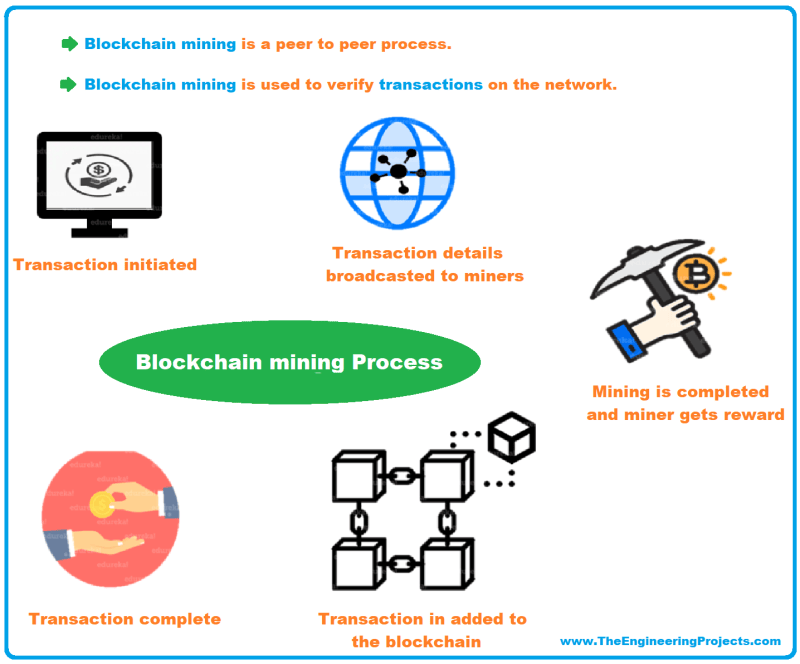
The verification of transactions in blockchain networks follows a structured, multi-step process that ensures accuracy, security, and decentralization. Miners perform the following sequential actions:1. Transaction Collection and Propagation
Transactions are broadcasted across the network by users and relayed to miners via peer-to-peer nodes. Miners aggregate these transactions into a memory pool (mempool), where they await inclusion in a block.
2. Transaction Validation
Miners apply a series of checks to confirm transaction validity:
3. Block Formation
Validated transactions are compiled into a candidate block, which includes:
4. Consensus Mechanism Execution
Miners compete to solve a cryptographic puzzle (in PoW) or validate their stake (in PoS) to propose the next block. Successful miners broadcast their solution to the network for verification.
5. Block Propagation and Finalization
Peers validate the proposed block and, upon consensus, add it to their local blockchain copies. The miner responsible for the winning block receives rewards (e.g., newly minted coins or transaction fees).
Cryptographic Proof in PoW:
The core of Proof-of-Work involves finding a hash value below a dynamically adjusted target difficulty. The hash function (e.g., SHA-256 in Bitcoin) ensures computational effort is required, making brute-force attacks impractical.
Comparison of Proof-of-Work (PoW) and Proof-of-Stake (PoS) Mining Mechanisms
The choice between PoW and PoS mining fundamentally alters energy consumption, hardware requirements, and network security dynamics. Below is a comparative analysis of the two mechanisms:| Metric | Proof-of-Work (PoW) | Proof-of-Stake (PoS) |
|---|---|---|
| Energy Consumption | High. Requires extensive computational power (e.g., Bitcoin’s network consumes ~120 TWh annually, comparable to Argentina’s electricity usage). | Low to moderate. No energy-intensive puzzles; validation depends on stake size and random selection. |
| Hardware Requirements | Specialized ASICs (e.g., Bitmain’s Antminer) or high-end GPUs. PoW favors hardware with high hash rates (e.g., 200 TH/s for Bitcoin ASICs). | Minimal hardware demands. Validators require only sufficient cryptocurrency holdings (stake) and basic computing resources for block proposal/validation. |
| Security Model | Security derived from computational cost. Attackers must control >51% of the network’s hash power (economically prohibitive for large blockchains). | Security derived from economic stake. Attackers must possess >51% of the total staked value, incentivizing honest participation. |
| Decentralization | Historically centralized due to ASIC dominance (e.g., Bitcoin’s mining is ~65% controlled by top 3 pools as of 2023). | More decentralized by design. Staking thresholds can be lower, reducing barriers to entry for smaller validators. |
| Transaction Finality | Probabilistic. Blocks are considered "final" after ~6 confirmations (10–60 minutes for Bitcoin). | Near-instantaneous. PoS chains (e.g., Ethereum 2.0) achieve finality in seconds to minutes via checkpointing. |
| Inflation and Rewards | Fixed or halving block rewards (e.g., Bitcoin’s 6.25 BTC per block, halving every 210,000 blocks). | Variable rewards based on stake distribution and network activity. May include transaction fee burns (e.g., Ethereum’s EIP-1559). |
Key Trade-off:
PoW prioritizes security through computational effort but at the cost of energy inefficiency, while PoS reduces energy use but introduces risks like "nothing-at-stake" attacks (mitigated by slashing mechanisms in modern PoS).
Hardware Components of a Mining Rig and Their Functions
Mining rigs are purpose-built systems designed to optimize computational efficiency for cryptographic puzzles. The hardware composition varies between PoW and PoS, but PoW rigs—particularly for Bitcoin—dominate discussions due to their complexity. Below are the critical components and their roles:1. Application-Specific Integrated Circuits (ASICs)
2. Graphics Processing Units (GPUs)
3. Central Processing Unit (CPU)
4. Cooling Systems
Economic and Incentive Mechanisms for Miners in Blockchain Networks
Blockchain networks rely on miners to validate transactions, secure the network, and maintain decentralization, but their participation is sustained primarily through economic incentives. These mechanisms—comprising block rewards, transaction fees, and dynamic difficulty adjustments—shape miner profitability, hardware investment strategies, and long-term network sustainability. The interplay between these factors determines whether mining remains viable, particularly as cryptocurrencies mature and external variables such as energy costs or regulatory changes emerge. Below, the structure of miner incentives is analyzed, including their evolution over time, cross-chain comparisons, and the balancing act between operational costs and revenue generation.Block Rewards and Transaction Fees as Primary Revenue Streams
Miners derive income from two primary sources: block rewards and transaction fees, each serving distinct roles in the economic model of proof-of-work (PoW) blockchains.Block rewards represent the newly minted cryptocurrency allocated to miners for successfully adding a block to the blockchain. This mechanism ensures a predictable income stream while introducing scarcity through controlled issuance (e.g., Bitcoin’s capped supply of 21 million coins). Transaction fees, conversely, are voluntary payments made by users to prioritize their transactions within congested networks. In early blockchain iterations, fees were negligible, but as adoption grew—particularly during periods of high demand—they became a critical supplement to block rewards. For instance, during Bitcoin’s 2017 bull run, average transaction fees spiked from $0.25 to over $50, temporarily offsetting the reduced block reward post-halving (from 25 BTC to 12.5 BTC in July 2016).
The relative importance of these revenue streams varies by blockchain. In Bitcoin, transaction fees historically accounted for a minor portion of miner revenue (typically <10%) until post-2020, when mempool congestion and layer-2 adoption (e.g., Lightning Network) altered fee dynamics. Ethereum, prior to its Merge in September 2022, relied heavily on gas fees, which surged to $100+ per transaction during DeFi summer (2020–2021), making mining profitable despite lower block rewards (3 ETH vs. Bitcoin’s 6.25 BTC at the time). Post-Merge, Ethereum transitioned to proof-of-stake (PoS), eliminating mining entirely, while Bitcoin’s fee dependency increased due to halving cycles reducing block rewards by 50% every four years.
Halving Events and the Evolution of Miner Incentives
Bitcoin’s block reward halving—occurring approximately every 210,000 blocks (roughly every 4 years)—is a pre-programmed deflationary mechanism designed to mimic the scarcity of precious metals. Each halving reduces the reward by 50%, directly impacting miner profitability and network hash rate. The first halving in November 2012 cut rewards from 50 BTC to 25 BTC, followed by subsequent events in 2016 (12.5 BTC), 2020 (6.25 BTC), and 2024 (3.125 BTC). Historical data reveals a cyclical pattern: halving events precede bull markets due to reduced supply and increased scarcity, but they also trigger short-term hash rate declines as marginal miners (those with high electricity costs or outdated hardware) exit the network.The 2020 halving exemplifies this dynamic. Leading up to the event, Bitcoin’s price surged from $7,000 (March 2020) to $69,000 (November 2021), partially offsetting the reward reduction. However, the post-halving period saw a 30% drop in hash rate within months as unprofitable miners shut down operations. Similarly, the 2016 halving coincided with a 50% increase in Bitcoin’s price within 12 months, but the subsequent bear market (2018) saw hash rate plummet by 40% as miners faced unsustainable electricity costs (e.g., Chinese miners using coal-powered facilities at $0.03/kWh vs. North American rates of $0.06–$0.10/kWh).
Ethereum’s pre-Merge mining economy followed a parallel but less rigid structure. Unlike Bitcoin, Ethereum’s block reward was fixed at 3 ETH (post-Istanbul upgrade in 2019) with no scheduled halving. Instead, profitability hinged on gas fee volatility. The 2021 DeFi boom drove fees to $100–$200 per transaction, making Ethereum mining lucrative despite lower rewards. Post-Merge, Ethereum’s transition to PoS eliminated mining entirely, redirecting validator rewards to staking pools—a shift that underscored the fragility of PoW incentives in the face of protocol upgrades.
Comparative Profitability Across Cryptocurrencies: Bitcoin vs. Ethereum (Pre/Post-Merge)
Mining profitability varies significantly across cryptocurrencies due to differences in block rewards, transaction fee structures, difficulty adjustments, and exchange rate volatility. Below is a comparative analysis of Bitcoin and Ethereum’s mining economies, highlighting key factors influencing miner viability.| Factor | Bitcoin (PoW) | Ethereum (Pre-Merge PoW) | Ethereum (Post-Merge PoS) |
|---|---|---|---|
| Block Reward | Halving every 4 years (2024: 3.125 BTC → ~$180,000 at $60,000/BTC) | Fixed at 3 ETH (~$4,500 at $1,500/ETH pre-Merge) | No mining; replaced by staking rewards (~4–6% APY). |
| Transaction Fees | Low base fees (~$1–$10) but volatile during congestion (e.g., $56 avg. in 2021). | Highly variable ($0.10–$200+ during DeFi boom). | Fees burned (~90% of gas fees), reducing supply. |
| Difficulty Adjustment | Retargets every 2,016 blocks (~2 weeks) based on past 2-week hash rate. | Retargeted every block (dynamic), leading to rapid difficulty spikes during bull runs. | N/A (PoS uses randomness-based validator selection). |
| Energy Efficiency | ~95 ETH/TH (SHA-256) as of 2024; ASIC-dominated. | ~5–10 ETH/TH (DAG-based); GPU/ASIC hybrid. | ~0.000000001 ETH/TH (PoS consumes ~0.000000001% of Bitcoin’s energy). |
| Exchange Rate Impact | BTC/USD volatility directly affects USD-denominated revenue. | ETH/USD correlation with Bitcoin; weaker fiat pairings post-Merge. | Staking rewards denominated in ETH; subject to price risk. |
| Mining Costs | High capital expenditure (ASICs: $10,000–$20,000 per unit); electricity ~$0.05–$0.10/kWh. | Lower hardware costs (GPUs: $2,000–$4,000) but higher electricity demand per hash. | No hardware costs; staking requires 32 ETH (~$48,000 at $1,500/ETH). |
Technological Evolution and Hardware Advancements in Blockchain Mining
The evolution of mining hardware has been a defining factor in the scalability, security, and decentralization of blockchain networks. From general-purpose processors to specialized Application-Specific Integrated Circuits (ASICs), each technological shift has introduced trade-offs between cost, efficiency, and accessibility. These advancements have not only optimized mining performance but also reshaped the economic and environmental landscape of cryptocurrency ecosystems. Below is an analysis of the progression of mining hardware, its implications for decentralization, and the technical and ecological consequences of these developments.Progression of Mining Hardware: From CPUs to ASICs
The journey of mining hardware reflects the interplay between computational requirements and technological innovation. Initially, mining relied on Central Processing Units (CPUs), which were the only viable option due to the absence of specialized hardware. However, as blockchain networks grew, CPUs proved inefficient for cryptographic computations, leading to the adoption of Graphics Processing Units (GPUs). GPUs offered parallel processing capabilities, significantly improving hash rates while remaining accessible to individual miners.The next major leap came with Field-Programmable Gate Arrays (FPGAs), which allowed for customizable hardware configurations tailored to mining algorithms. FPGAs provided a balance between flexibility and performance, bridging the gap between general-purpose CPUs and highly specialized ASICs. However, their adoption was limited by high development costs and the need for technical expertise.
The introduction of Application-Specific Integrated Circuits (ASICs) marked a paradigm shift. ASICs are designed exclusively for mining, offering unparalleled efficiency in terms of hash rate per watt. Their dominance in networks like Bitcoin has led to a centralization of mining power, as only large-scale operations can afford the capital and operational costs associated with ASIC deployment. Below is a summary of the key characteristics of each hardware type:
Trade-offs in Mining Hardware Evolution
CPUs: Low cost, high accessibility, but poor efficiency. GPUs: Moderate cost, better performance than CPUs, but still general-purpose. FPGAs: High customization, but complex and expensive to develop. ASICs: Maximum efficiency, but high upfront costs and reduced accessibility.
Timeline of Major Technological Shifts in Mining
The timeline of mining hardware advancements correlates with the evolution of blockchain networks, particularly in response to changes in consensus mechanisms and algorithmic resistance to centralization. Key milestones include:-
2009–2010: CPU Mining Era
Bitcoin’s inception relied on CPU mining, with early adopters using standard processors to validate transactions. As the network grew, CPU mining became impractical due to increasing computational demands. -
2010–2012: Transition to GPU Mining
The introduction of Scrypt (used in Litecoin) and later SHA-256 optimizations for GPUs shifted mining power to graphics cards. This period saw the rise of mining pools and the commercialization of GPU-based rigs. -
2013: FPGA Adoption and ASIC Resistance
Networks like Litecoin and Dogecoin introduced algorithmic changes (e.g., Scrypt) to resist ASIC dominance, prolonging GPU and FPGA viability. However, FPGAs remained niche due to their complexity. -
2013–2014: ASIC Dominance in Bitcoin
The release of the Bitmain Antminer S1 (2013) and subsequent ASIC models solidified ASICs as the standard for Bitcoin mining. This led to the decline of GPU mining in Bitcoin and a shift toward ASIC-resistant algorithms in altcoins. -
2015–2017: ASIC Resistance and GPU Revival
Cryptocurrencies like Monero (RandomX) and Zcash (Equihash) adopted ASIC-resistant algorithms, reviving GPU mining. However, these networks faced challenges such as botnet mining and high electricity costs. -
2020–2022: Ethereum’s Transition to Proof-of-Stake (PoS)
Ethereum’s shift from Proof-of-Work (PoW) to Proof-of-Stake (PoS) with Ethereum 2.0 (now Ethereum 2.0) eliminated GPU and ASIC mining, rendering existing hardware obsolete. This transition highlighted the impact of protocol changes on mining ecosystems. -
2023–Present: Specialized ASICs for New Algorithms
Emerging networks like Chia (Proof-of-Space) and Filecoin (Proof-of-Space-and-Time) have introduced novel mining paradigms, reducing reliance on traditional hardware. Meanwhile, Bitcoin’s ASIC dominance persists, with newer models achieving 200+ TH/s with efficiencies below 30J/TH.
Technical Comparison: ASIC vs. GPU Mining
The choice between ASIC and GPU mining depends on the blockchain’s algorithm, energy costs, and capital availability. Below is a comparative analysis focusing on hash rate, power efficiency, and use cases:Key Metrics for Mining Hardware Comparison
Hash Rate (H/s): Measured in hashes per second; higher values indicate faster block validation. Power Efficiency (J/TH): Joules per terahash; lower values denote better energy use. Initial Cost: Upfront investment required for hardware acquisition. Operational Costs: Electricity, cooling, and maintenance expenses.
| Metric | ASIC (Bitcoin) | GPU (Ethereum Classic) |
|---|---|---|
| Hash Rate | 100–200 TH/s (e.g., Bitmain Antminer S21) | 200–500 MH/s (e.g., NVIDIA RTX 3090) |
| Power Efficiency | 25–35 J/TH (optimized for SHA-256) | 50–100 J/TH (general-purpose, less optimized) |
| Initial Cost | $5,000–$10,000 per unit (high capital barrier) | $1,500–$3,000 per GPU (lower entry point) |
| Use Case | Bitcoin, SHA-256-based coins (highly centralized) | Ethereum Classic, Monero (RandomX), altcoins (more decentralized) |
| Flexibility | Single-purpose; obsolete if algorithm changes | Multi-purpose; usable for gaming, AI, and other tasks |
Environmental Impact of Mining Hardware
The environmental consequences of mining hardware span energy consumption, e-waste, and carbon emissions, with significant variations across regions and technologies. Below are the primary concerns and mitigation efforts:-
Energy Consumption and Carbon Footprint
Bitcoin’s ASIC-driven mining consumes ~120 TWh annually (as of 2023), comparable to the energy use of Argentina or the Netherlands. While renewable energy adoption (e.g., hydro, solar) has grown, mining remains heavily reliant on fossil
Mining Pools and Collective Operations in Blockchain Networks
Mining pools represent a collaborative framework that enables individual miners to combine computational resources, significantly increasing their collective hashing power and probability of successfully mining blocks. The adoption of mining pools addresses the inherent variability in solo mining, where miners face prolonged periods of low or no rewards due to the probabilistic nature of block discovery. By pooling resources, participants mitigate risk, achieve more consistent returns, and contribute to network security while maintaining decentralization. This system has become foundational in proof-of-work (PoW) blockchains, particularly Bitcoin, where solo mining is increasingly impractical for smaller operators due to escalating hardware costs and competition.The mechanics of mining pools rely on shared reward distribution models, which vary by pool but typically follow proportional, pay-per-share (PPS), or hybrid approaches. These models ensure fairness while incentivizing continuous participation. However, the structure of pools—whether centralized or decentralized—introduces distinct trade-offs regarding transparency, operational control, and security risks. Below, the operational dynamics, comparative advantages of pool types, and practical steps for participation are examined in detail.
Purpose and Mechanics of Mining Pools
Mining pools operate as intermediary entities that aggregate the hashing power of multiple miners to solve cryptographic puzzles collectively. When a pool successfully mines a block, the reward is distributed among contributors based on their proportional share of the pool’s total computational output. This model eliminates the high variance associated with solo mining, where miners may go weeks or months without earning rewards due to the randomness of block discovery.Key components of mining pool mechanics include:
- Shared Hashing Power: Miners submit their computational work (shares) to the pool, which combines them to increase the likelihood of solving the block.
- Reward Distribution Algorithms: Pools employ algorithms such as:
- Proportional (Prop): Rewards are distributed based on the miner’s contribution relative to the pool’s total hashing power over a defined period (e.g., 24 hours).
- Pay-Per-Share (PPS): Guarantees a fixed reward for each valid share submitted, regardless of whether the pool mines a block (higher risk for the pool operator).
- Pay-Per-Last-N-Shares (PPLNS): Rewards are calculated based on the miner’s shares submitted in the last N shares that led to a block discovery.
- Equalized Shared Maximum Pay-Per-Share (ESMPPS): A hybrid model that combines PPS with a cap to limit pool operator risk.
- Share Validation: Miners submit partial proofs-of-work (shares) to the pool, which validates them before they contribute to the block solution. Invalid shares are rejected to prevent cheating.
- Block Propagation: Once a block is mined, the pool broadcasts it to the network and distributes rewards to participants, minus a small fee for operational costs.
The efficiency of a mining pool is measured by its pool fee, orphan rate (percentage of mined blocks that are rejected by the network), and reward distribution fairness. Lower fees and orphan rates indicate a more reliable and transparent pool.
Centralized vs. Decentralized Mining Pools
The architectural design of mining pools—centralized or decentralized—directly impacts their operational efficiency, security, and trust model. Centralized pools, such as F2Pool or Antpool, consolidate control under a single entity, offering lower entry barriers and immediate reward distribution. In contrast, decentralized pools, such as those using peer-to-peer (P2P) or multi-pool structures, distribute control among participants, enhancing transparency but often at the cost of complexity.Advantages of Centralized Mining Pools:
- Lower Entry Barriers: Simplified setup and management, with pre-configured mining clients and support for multiple algorithms.
- Immediate Reward Distribution: Miners receive payouts more frequently due to centralized coordination.
- Operational Support: Provision of technical assistance, hardware recommendations, and real-time monitoring tools.
- Economies of Scale: Ability to negotiate lower hardware costs and infrastructure expenses due to large-scale operations.
Risks of Centralized Mining Pools:
- Single Point of Failure: Operational downtime or malicious activity by the pool operator can disrupt mining operations.
- Collusion and Manipulation: Potential for pool operators to engage in strategic behavior, such as withholding blocks or favoring certain participants.
- Privacy Concerns: Centralized pools may collect and store miner identities, introducing regulatory or data security risks.
- Centralization of Hashing Power: Dominance by a few pools (e.g., >50% market share) can undermine network decentralization, creating a 51% attack risk.
Advantages of Decentralized Mining Pools:
- Enhanced Transparency: Open-source code and P2P validation reduce reliance on a single entity.
- Reduced Censorship Risk: No single entity can unilaterally alter reward distribution or block propagation rules.
- Resilience to Attacks: Distributed control mitigates risks associated with operator collusion or failures.
- Algorithmic Fairness: Decentralized models, such as those using proof-of-stake (PoS) or hybrid consensus, can enforce stricter fairness mechanisms.
Risks of Decentralized Mining Pools:
- Higher Complexity: Requires advanced technical knowledge to configure and maintain, increasing barriers to entry.
- Delayed Rewards: P2P validation and consensus mechanisms may introduce latency in reward distribution.
- Fragmentation: Smaller pools may struggle with liquidity, leading to inconsistent payouts or orphaned blocks.
- Operational Overhead: Miners must manage their own nodes, increasing costs and potential for misconfiguration.
The choice between centralized and decentralized pools depends on a miner’s priorities: convenience and immediate rewards favor centralized pools, while transparency and long-term security align with decentralized alternatives.
Comparison of Leading Mining Pools
The mining pool landscape is dominated by a few large operators, each offering distinct features tailored to specific algorithms and miner preferences. Below is a comparative table of the top mining pools, including their market share, supported algorithms, and fee structures. Data is sourced from recent blockchain analytics (as of 2023) and may vary over time.
Pool Name Market Share (Approx.) Supported Algorithms Fee Structure Notable Features Location/Operator F2Pool (Discord) ~15-20% SHA-256 (Bitcoin), Ethash (Ethereum pre-Merge), Scrypt, Equihash 0-2% (varies by algorithm) - One of the oldest pools, founded in 2013.
- Supports multiple cryptocurrencies and offers low-latency servers in Asia and North America.
- Provides detailed statistics and API access for miners.
China (historically), now decentralized with servers globally Antpool (Bitmain) ~10-15% SHA-256, Ethash, Scrypt, X11 0-2.5% - Operated by Bitmain, the manufacturer of Antminer hardware.
- Offers "Smart Reward" system, where miners can choose between PPS and PPLNS.
- High availability with servers in multiple regions.
China (Bitmain HQ) ViaBTC ~5-10% SHA-256, Ethash, Scrypt, SHA-256d 0-4% - Known for transparency, with real-time block and share data publicly accessible.
- Supports "Solo Mining" mode for miners who prefer independent block discovery.
- Offers a "Dual Mining" feature for ASICs, allowing simultaneous mining of multiple algorithms.
China Poolin ~8-12% SHA-256, Ethash, Scrypt,
Regulatory and Legal Challenges Facing Miners
The global expansion of blockchain mining has introduced significant regulatory and legal complexities, as governments and policymakers seek to balance innovation with public interest concerns such as energy consumption, financial stability, and environmental sustainability. Miners operate within a fragmented legal landscape, where jurisdictions impose varying restrictions on energy use, licensing, tax obligations, and compliance with anti-money laundering (AML) and know-your-customer (KYC) frameworks. These challenges are further exacerbated by evolving enforcement practices, cross-border disputes, and the rapid technological advancements in mining hardware and infrastructure. Understanding these regulatory dynamics is critical for miners to mitigate operational risks, ensure long-term viability, and navigate legal disputes effectively.Regulatory environments differ markedly across regions, with some governments embracing mining as a strategic economic activity while others impose outright bans or restrictive conditions. The interplay between national policies, state-level regulations, and international financial standards creates a complex web of obligations that miners must navigate to avoid legal repercussions, financial penalties, or operational shutdowns.
Legal Frameworks Governing Mining in Key Regions
Regulatory approaches to blockchain mining vary significantly by country, often reflecting broader economic, energy, and geopolitical priorities. Below are key legal frameworks in major mining hubs, highlighting their implications for operational compliance and strategic decision-making.
"Regulatory clarity is essential for miners, as ad hoc policies can lead to sudden operational disruptions, as seen in China’s 2021 mining ban, which resulted in a 90% reduction in global hashrate within months."
-
China’s Ban and Subsequent Restrictions
The Chinese government’s crackdown on cryptocurrency mining in 2021 marked one of the most dramatic regulatory interventions in the industry. In May 2021, the People’s Bank of China (PBOC) and other regulatory bodies classified cryptocurrency transactions as illegal financial activities, leading to the shutdown of major mining operations in provinces such as Xinjiang, Sichuan, and Yunnan. The ban was justified on grounds of financial stability, environmental harm, and energy waste, though it also reflected broader geopolitical tensions. Miners were given a short window to relocate or cease operations, with those failing to comply facing asset seizures and legal penalties. The aftermath saw a mass exodus of miners to regions with more favorable policies, such as the U.S., Kazakhstan, and Canada. -
United States: State-Level Regulations and Energy Policies
The U.S. lacks a federal regulatory framework for cryptocurrency mining, leaving oversight to individual states. This decentralized approach has created a patchwork of policies:- Texas and New York: Texas emerged as a dominant mining hub due to its low electricity costs and abundant renewable energy sources, particularly wind power. However, the state’s deregulated energy market led to controversies during the 2021 winter storm, when miners were accused of exacerbating grid instability by consuming excess power. In response, the Electric Reliability Council of Texas (ERCOT) imposed restrictions on mining operations during peak demand periods. New York, meanwhile, has taken a stricter stance, with the New York State Department of Financial Services (NYDFS) proposing a moratorium on proof-of-work mining in 2021, citing environmental concerns.
- Wyoming and Utah: These states have actively courted miners with tax incentives, streamlined permitting processes, and investments in renewable energy infrastructure. Wyoming, for example, introduced the Wyoming Blockchain Bill in 2021, offering tax exemptions for mining operations and designating cryptocurrency as legal tender.
- Tax Implications: Miners in the U.S. must comply with the Internal Revenue Service (IRS) guidelines, which classify cryptocurrency as property for tax purposes. This requires miners to report income from mined coins, deduct operational expenses, and pay capital gains taxes on sales. Failure to comply can result in audits, back taxes, and penalties, with the IRS increasingly targeting high-net-worth miners.
-
European Union: Energy Efficiency and AML Directives
The EU’s regulatory approach focuses on energy efficiency, consumer protection, and financial crime prevention. Key directives include:- Markets in Crypto-Assets (MiCA) Regulation: Proposed in 2020 and set for full implementation by 2024, MiCA aims to standardize cryptocurrency regulations across EU member states. While it does not explicitly target mining, it imposes strict AML and KYC requirements on crypto service providers, indirectly affecting miners who interact with exchanges or financial entities.
- Energy Regulations: Countries like Germany and Iceland have leveraged geothermal and hydropower to attract miners, but they face scrutiny over energy consumption. The EU’s Green Deal and Taxonomy Regulation may classify high-energy mining as unsustainable, potentially leading to restrictions on subsidies or permits.
- Sweden and Norway: These nations have adopted pragmatic stances, with Sweden’s Swedish Financial Supervisory Authority (Finansinspektionen) requiring miners to register as financial businesses if they facilitate transactions. Norway, meanwhile, has imposed carbon taxes on energy-intensive industries, indirectly affecting mining operations.
-
Kazakhstan and Russia: Energy Subsidies and Geopolitical Influence
Kazakhstan became a major mining hub after China’s ban, benefiting from cheap electricity and government subsidies. However, the 2022 energy crisis—triggered by a sudden price hike and public protests—led to a de facto moratorium on mining, with authorities blaming miners for straining the power grid. Russia, while not imposing a nationwide ban, has imposed licensing requirements for crypto businesses and subjected miners to capital controls and tax obligations under its Digital Financial Assets (DFA) law. -
Canada and Nordic Countries: Renewable Energy and Indigenous Partnerships
Canada, particularly Quebec and British Columbia, has attracted miners with low-cost hydroelectric power and progressive policies. However, Indigenous communities have filed lawsuits against mining operations, citing environmental degradation and lack of consultation under Canada’s Indigenous and Northern Affairs Act. Similarly, Iceland’s mining industry faces opposition from environmental groups and local authorities over water usage and geothermal strain.
Common Regulatory Risks and Mitigation Strategies
Miners face a spectrum of regulatory risks, ranging from operational disruptions to financial penalties and reputational damage. Proactive risk management involves understanding jurisdictional requirements, implementing compliance frameworks, and adopting adaptive strategies to evolving legal landscapes.
"Regulatory risk is not merely a legal challenge but a strategic imperative—miners that fail to anticipate policy shifts risk sudden operational shutdowns, as demonstrated by China’s 2021 ban and Kazakhstan’s 2022 energy crisis."
-
Energy Restrictions and Grid Stability Concerns
One of the most pressing risks for miners is the imposition of energy consumption limits, particularly in regions with aging infrastructure or renewable energy dependencies. Examples include:- Grid Strain in Texas: During the 2021 winter storm, ERCOT temporarily disconnected miners from the grid to prioritize residential power supply. This incident highlighted the vulnerability of miners to emergency power rationing, even in states with otherwise favorable policies.
- Renewable Energy Mandates: Some jurisdictions, such as California and the EU, are phasing out coal and gas subsidies, forcing miners to either transition to renewable sources or relocate. Miners in these regions must conduct energy audits and negotiate power purchase agreements (PPAs) with utilities to ensure long-term access.
- Carbon Taxes and Emissions Trading: Countries like Norway and Sweden impose carbon taxes on high-energy industries, which can significantly increase operational costs. Miners must integrate carbon accounting systems and explore offset programs to comply with emissions regulations.
- Diversify energy sources by investing in solar, wind, or geothermal projects to reduce reliance on grid power.
- Enter into long-term PPAs with utilities to secure stable energy supplies.
- Implement demand-response systems to reduce consumption during peak periods.
- Advocate for industry-specific exemptions in regions where mining is deemed economically beneficial.
-
Anti-Money Laundering (AML) and Know-Your-Customer (KYC) Compliance
While miners themselves are not typically direct targets of AML laws, interactions with
Future Trends and Emerging Mining Models in Blockchain Networks
The evolution of blockchain mining is entering a transformative phase, driven by technological breakthroughs, environmental imperatives, and shifts in consensus mechanics. Quantum computing, alternative proof mechanisms, and sustainability initiatives are reshaping the landscape, while speculative models like validator-centric networks and sharding suggest a potential decline in traditional mining dominance. These trends reflect broader industry adaptations to scalability, energy efficiency, and decentralization challenges, with implications for economic incentives, hardware innovation, and regulatory frameworks.The trajectory of mining is increasingly influenced by disruptive forces that challenge conventional paradigms. Below, key developments—spanning quantum threats, consensus innovations, sustainability, and decentralized alternatives—are examined for their technical feasibility, adoption potential, and long-term impact on miner roles.
Quantum Computing and Post-Quantum Cryptography Disruptions
Quantum computing poses an existential threat to cryptographic foundations underpinning blockchain security, particularly for algorithms reliant on elliptic curve cryptography (ECC) or RSA. Shor’s algorithm, when implemented on fault-tolerant quantum computers, could theoretically reverse hash computations and private key derivations, compromising Proof-of-Work (PoW) networks like Bitcoin and Ethereum (pre-Merge). This risk has spurred research into post-quantum cryptography (PQC), with candidates such as lattice-based signatures (e.g., Dilithium) and hash-based schemes (e.g., SPHINCS+) gaining traction in academic and industry circles.The timeline for quantum supremacy remains uncertain, with estimates ranging from 5–30 years depending on hardware advancements and error correction breakthroughs. However, proactive measures are already underway:
- Hybrid Consensus Models: Projects like Ethereum are exploring hybrid PoW/PoS systems with quantum-resistant cryptographic primitives to mitigate transition risks.
- Quantum-Resistant Blockchains: New networks (e.g., IOTA’s Tangle with Winternitz OTS, or QANplatform) are designed from inception to resist quantum attacks, though adoption barriers persist due to performance trade-offs.
- Miner Adaptation Strategies: PoW miners may need to pivot toward quantum-resistant algorithms (e.g., RandomX’s memory-hardness adaptations) or transition to alternative consensus mechanisms preemptively.
Key Vulnerability:
"A sufficiently advanced quantum computer could invert the hash function in O(√N) time, rendering PoW economically infeasible by nullifying the cost of brute-force attacks." — Source: NIST Post-Quantum Cryptography Standardization Project (2022)Alternative Consensus Mechanisms and Miner Role Redefinition
The dominance of PoW is being contested by alternative consensus models that reallocate computational resources, energy consumption, and validation rights. These mechanisms often decouple mining from direct economic rewards, shifting incentives toward staking, delegation, or resource-based contributions. Below are the most prominent alternatives and their implications for miners:
-
Proof-of-Stake (PoS) and Delegated Proof-of-Stake (DPoS)
Validation is tied to token holdings rather than computational power, eliminating energy-intensive mining. Ethereum’s 2022 Merge reduced energy consumption by ~99.95% while transitioning 99% of validators to PoS. Miners in PoS ecosystems (e.g., Cardano, Solana) operate as staking nodes, earning rewards proportional to stake rather than hash rate.- Impact on Miners: PoW miners face obsolescence unless they repurpose hardware for PoS (e.g., converting ASICs to staking devices), though this requires protocol support.
- Centralization Risks: Staking pools (e.g., Lido on Ethereum) concentrate validation power, mirroring mining pool dynamics but with different economic structures.
-
Proof-of-Authority (PoA) and Permissioned Chains
Used in enterprise blockchains (e.g., Hyperledger Fabric, VeChain), PoA replaces miners with pre-approved validators, often governed by consortiums. This model prioritizes speed and scalability over decentralization, with validation rights tied to institutional trust rather than computational effort.- Miner Transition Paths: PoW miners in permissioned networks may transition to node operators or auditors, though profitability depends on network adoption and tokenomics.
- Regulatory Alignment: PoA aligns with compliance requirements (e.g., KYC/AML), making it attractive for regulated industries like finance and supply chain.
-
Proof-of-Space (PoSpace) and Proof-of-Storage (PoST)
Mechanisms like Chia Network and Filecoin leverage disk space and bandwidth for validation, reducing energy use while maintaining decentralization. Miners contribute storage capacity to secure the network, with rewards tied to available space rather than hash power.- Hardware Shifts: Traditional mining rigs (GPUs/ASICs) become obsolete, replaced by high-capacity HDDs/SSDs, lowering barriers for small-scale participants.
- Sustainability Synergy: PoSpace aligns with circular economy principles, repurposing idle storage infrastructure (e.g., data centers, NAS devices).
-
Hybrid and Multi-Consensus Models
Emerging protocols (e.g., Polkadot’s parachains, Avalanche’s subnets) combine multiple consensus mechanisms to optimize for scalability, security, and flexibility. Miners may operate across specialized roles, such as:- Relayers (for cross-chain communication).
- Oracle Providers (for external data validation).
- Liquidity Validators (for DeFi integrations).
Consensus Evolution Matrix:
Mechanism Resource Requirement Energy Efficiency Decentralization Miner Role Proof-of-Work Hash rate Low High Miners Proof-of-Stake Token stake High Medium Validators/Delegators Proof-of-Space Disk space Very High Medium Storage Providers Proof-of-Authority Identity/trust Very High Low Approved Nodes Sustainable Mining and Renewable Energy Integration
Environmental concerns have accelerated the adoption of renewable-energy-powered mining, with operators increasingly prioritizing carbon neutrality and energy efficiency. This shift is driven by regulatory pressures, investor demand, and the economic viability of off-grid mining. Key trends include:
-
Geothermal and Hydroelectric Mining
Regions with abundant renewable resources (e.g., Iceland, Norway, Canada) host mining farms leveraging geothermal heat or hydroelectricity. Examples:- Bitfarms (Canada): Operates in Quebec, powered by 100% hydroelectricity, with plans to expand to nuclear-powered facilities.
- Arctic Crypto (Iceland): Uses geothermal and hydropower to mine Bitcoin, aligning with Iceland’s green energy surplus.
- Greenidge Generation (USA): Converts natural gas-powered plants to hydrogen fuel cells, reducing CO₂ emissions by ~90%.
-
Solar and Wind-Powered Farms
Solar mining is proliferating in high-insolation regions (e.g., Texas, Australia, Kazakhstan), while wind farms (e.g., Blockstream’s solar-wind hybrid in Georgia) demonstrate scalability. Challenges include:- Intermittency: Solar/wind require battery storage or grid stabilization (e.g., Tesla’s Megapack deployments).
- Land Use: Large-scale solar farms (e.g., 100MW+) compete with agricultural or conservation land.
-
Waste Heat Utilization
Mining operations are repurposing excess heat for district heating (e.g., Bitmain’s Antminer S19 in Sweden, heating greenhouses or residential buildings). Projects like BitRiver’s Arctic data centers use waste heat to melt snow, reducing infrastructure costs. -
Corporate Sustainability Initiatives
Major players are integrating ESG (Environmental, Social, Governance) metrics into mining strategiesMiners represent a critical intersection of technology, economics, and decentralization within blockchain networks. Their evolution from early CPU-based operations to specialized ASIC rigs reflects broader shifts in computational power and energy efficiency, while their economic models adapt to market dynamics like halving events and cryptocurrency volatility. As regulatory frameworks tighten and sustainable mining practices gain traction, the future of miners may pivot toward alternative consensus mechanisms or validator-based systems. Ultimately, their role transcends transaction processing, embodying the principles of trustless verification and collective participation that define blockchain innovation.
Leave a Comment
Comments are moderated before appearing. The data you submit is processed according to the Privacy Policy of viralcontentbee.com.