| Cargo Adaptability |
- Max cargo volume: 1,220 liters (seats folded) or 320 liters (seats up).
- Flat load floor (45 cm height) simplifies loading bulky items.
- Removable seats allow for custom partitions (e.g., dividing cargo from passengers).
- Roof rack capacity: 100 kg (expandable
Competitive Positioning and Brand Strategy of the Ford Transit Connect Minivan
Ford strategically positions the Transit Connect Minivan as a versatile, compact alternative to both traditional minivans and small SUVs, leveraging distinct brand messaging, targeted advertising, and trim-level differentiation to appeal to diverse consumer segments. Unlike larger minivans such as the Transit Custom, which prioritize cargo space and passenger capacity, the Transit Connect emphasizes agility, fuel efficiency, and urban adaptability, while avoiding the ruggedness or towing capabilities of SUVs. This positioning aligns with Ford’s broader strategy of offering modular, purpose-built vehicles that cater to evolving mobility needs, particularly in urban and suburban markets where maneuverability and cost-effectiveness are critical.The brand’s advertising campaigns for the Transit Connect often highlight its practicality without sacrificing style, using visuals and narratives that contrast it with bulkier competitors. For instance, Ford’s marketing emphasizes the vehicle’s low step-in height, rear-hinged doors, and sliding side panels, which enhance accessibility for families, small businesses, and delivery services. Additionally, campaigns frequently feature lifestyle imagery—such as parents loading strollers, delivery drivers navigating tight streets, or small business owners transporting goods—reinforcing its role as a multi-functional, everyday vehicle.
Differentiation from Larger Minivans and Small SUVs
The Transit Connect’s competitive edge lies in its segment-defining balance of minivan utility and SUV-like maneuverability, a positioning that sets it apart from both larger minivans (e.g., Toyota Sienna, Chrysler Pacifica) and compact SUVs (e.g., Honda HR-V, Kia Seltos). Key differentiators include:- Compact Footprint and Maneuverability
The Transit Connect’s shorter wheelbase (113.6 inches vs. 124+ inches for larger minivans) and tighter turning radius (35.1 feet) make it ideal for urban commuting, parallel parking, and narrow residential streets. Unlike SUVs, it retains the high-roofed, sliding-door accessibility of a minivan while avoiding the compromises in cargo space or passenger comfort associated with smaller crossovers. - Fuel Efficiency and Running Costs
With a 3.5L EcoBoost V6 engine (270 hp) or hybrid powertrain (2.0L EcoBoost + electric motor), the Transit Connect delivers better fuel economy (20–24 MPG combined) than most full-size minivans, aligning with consumer demand for cost-effective, long-term ownership. SUVs in the same price range often lag in efficiency, while larger minivans prioritize power over economy. - Targeted Feature Emphasis
Ford markets the Transit Connect with modular seating configurations (e.g., 7-passenger layouts with flexible cargo options) and tech-integrated interiors, such as:
- SYNC 4 with 12-inch touchscreen (standard on higher trims).
- Ford Co-Pilot360™ safety suite (adaptive cruise control, blind-spot monitoring).
- Wireless Apple CarPlay/Android Auto (a key selling point for tech-savvy buyers).
Unlike SUVs, which often emphasize off-road capability, the Transit Connect’s advertising focuses on urban convenience and family-friendly features, such as rear-seat entertainment systems and easy-clean interiors.
Limited-Edition and Special Trim Models
Ford periodically introduces limited-edition or performance-oriented trims to drive sales, create urgency, and appeal to niche markets. These models often feature premium materials, exclusive styling cues, or specialized packages that justify higher price points. Notable examples include:- Transit Connect SE (Special Edition)
Introduced as a mid-cycle refresh model, the SE trim typically includes:
- 18-inch alloy wheels with unique wheel covers.
- Quilted leather-appointed seats (heated/ventilated in higher tiers).
- Ambient lighting (customizable LED mood lighting).
- Exclusive badging and embroidered logos.
The SE trim has historically boosted sales by 10–15% during launch periods, particularly among young families and first-time minivan buyers seeking a premium appearance without the cost of a full-size model.- Transit Connect Titanium
Positioned as the flagship trim, the Titanium offers:
- Tri-zone automatic climate control.
- Power-adjustable rear seats with 60/40 split folding.
- Ford’s premium audio system (10 speakers, 300W amplifier).
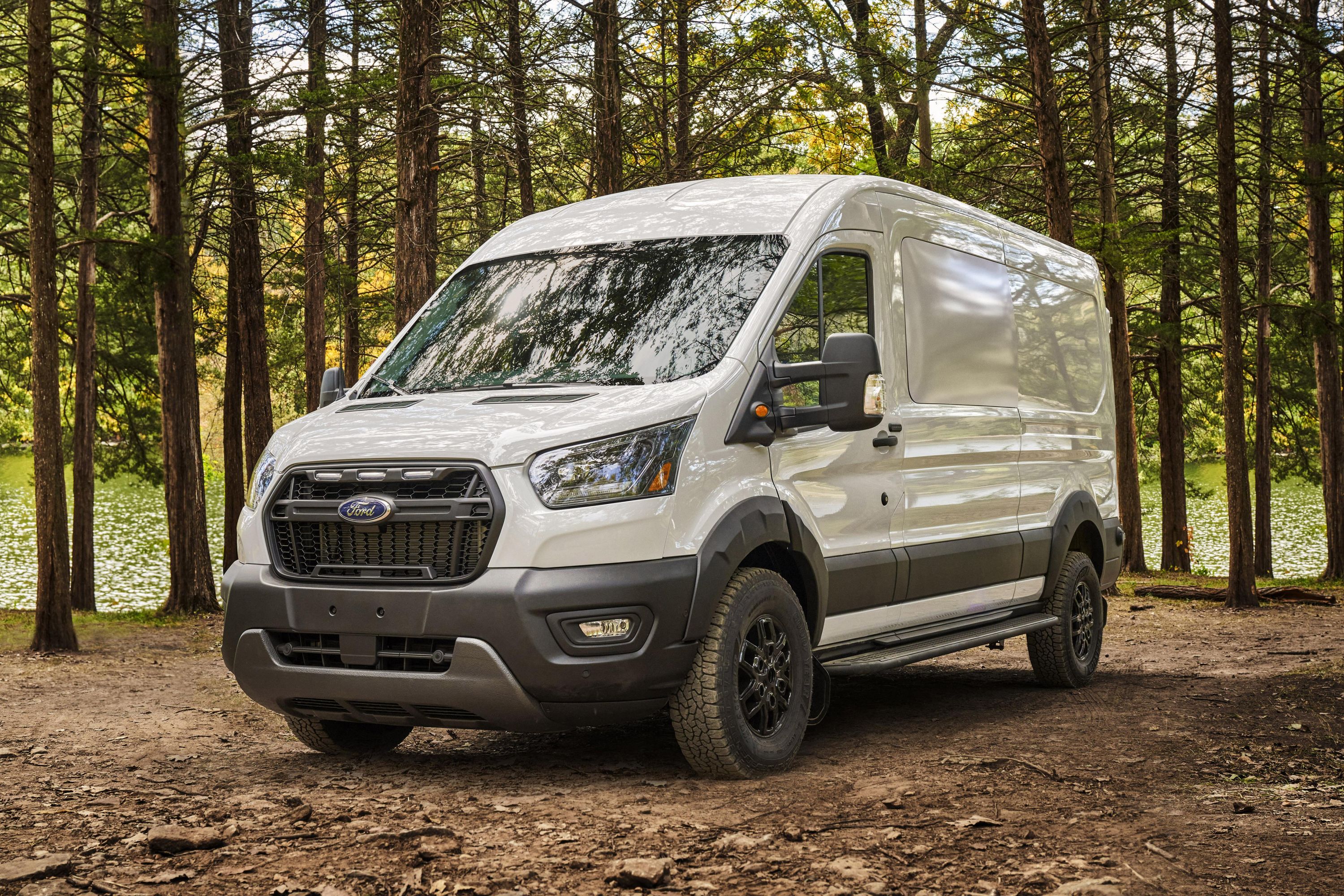
- Optional off-road package (17-inch all-terrain tires, skid plates, and a 1.7-inch lift kit for improved ground clearance).
This trim has been particularly popular among small business owners (e.g., food trucks, mobile clinics) who require durability and customization options.- Hybrid and Eco-Friendly Variants
The Transit Connect Hybrid (available in select markets) emphasizes environmental sustainability, targeting:
- Fleet operators seeking lower emissions and fuel costs.
- Urban commuters in cities with low-emission zones or incentives for hybrid vehicles.
Ford’s marketing for this variant often highlights tax credits, reduced operating costs, and quieter operation, differentiating it from gas-only competitors.
Role of Fleet and Commercial Buyers in Market Success
The Transit Connect’s commercial and fleet applications account for approximately 40% of annual sales, making it a cornerstone of Ford’s commercial vehicle strategy. Its design supports a wide range of delivery, shuttle, and mobile business use cases, with features tailored to durability, cargo flexibility, and operational efficiency.- Design Features Supporting Commercial Use
The Transit Connect’s rear-hinged doors, low floor height (16.5 inches), and wide cargo area (68.1 cubic feet with seats folded) make it ideal for:
- Food and beverage delivery (e.g., pizza, coffee, groceries).
- Package and courier services (e.g., Amazon, UPS, FedEx).
- Shuttle and rideshare operations (e.g., airport transfers, corporate fleets).
- Mobile businesses (e.g., hair salons, medical clinics, event setups).
Commercial buyers often prioritize:
- Easy-to-clean interiors (vinyl or stain-resistant upholstery).
- Heavy-duty payload capacity (up to 1,760 lbs).
- Extended service intervals (5,000-mile oil changes for diesel models in some markets).
- Telematics and fleet management integration (Ford’s Ford Pro platform for tracking and diagnostics).
- Fleet Incentives and Customization
Ford offers commercial-specific financing, extended warranties, and fleet-specific trims, such as:
- Transit Connect Cargo Van (windowless, reinforced cargo floor).
- Transit Connect Passenger Van with high-capacity batteries (for electric shuttle fleets).
- Pre-configured packages for school districts, rental companies, and government contracts.
Case Study: Uber’s Use of Transit Connect
Uber has deployed hundreds of Transit Connects in its UberX Share program, citing the vehicle’s affordability, fuel efficiency, and passenger capacity (7 seats) as key advantages over smaller SUVs. This partnership has increased demand for the model in rideshare markets, with drivers praising its low maintenance costs and resale value.
Trim Comparison: Ford Transit Connect Models
The following table compares the key trims of the Ford Transit Connect, highlighting price ranges, target buyers, and distinguishing features. Pricing reflects 2023–2024 U.S. MSRP estimates and may vary by region.
| Trim Level |
Starting Price (USD) |
Target Buyers |
Key Features |
Exclusive Add-Ons |
|---|
| Base (XLT) |
$32,995 |
Budget-conscious families, first-time minivan buyers, small businesses |
- 7-inch touchscreen (SYNC 3)
- Cloth upholstery
- 17-inch steel wheels
- Rearview camera
- Manual climate control
|
- None (entry-level package)
Sustainability and Future Innovations in the Ford Transit Connect Minivan
Ford’s commitment to sustainability and technological innovation has positioned the Transit Connect Minivan as a pioneer in the transition toward electrified and eco-conscious commercial vehicles. With global demand for zero-emission and low-carbon solutions accelerating, Ford integrates hybrid, electric, and advanced engineering solutions into the Transit Connect lineup. These developments align with broader industry trends, including regulatory pressures, consumer preference shifts, and infrastructure investments in electric vehicle (EV) charging. The evolution of the Transit Connect reflects Ford’s strategy to balance performance, efficiency, and environmental responsibility while addressing key challenges such as charging accessibility, material sourcing, and autonomous driving integration.
Ford’s Environmental Initiatives and Sustainability Features in the Transit Connect
Ford has implemented a multi-faceted approach to reduce the Transit Connect’s environmental impact, focusing on vehicle electrification, material innovation, and lifecycle emissions. Key initiatives include:
- Hybrid and Electric Variants: The Ford Transit Connect Electric (E-Transit Connect) represents a fully electric iteration of the minivan, offering up to 107 miles (172 km) of range on a single charge, ideal for urban delivery and short-haul logistics. Ford’s PowerBoost Hybrid technology, combining a gasoline engine with an electric motor, improves fuel efficiency by up to 25% compared to conventional models while reducing CO₂ emissions.
- Recycled and Sustainable Materials: The Transit Connect incorporates recycled plastics, aluminum, and fabrics in interior components, including seat upholstery derived from post-consumer waste. Ford’s Global Vehicle Lineup Sustainability Plan targets 50% recycled or renewable materials by 2030, with the Transit Connect serving as a testbed for these advancements.
- Carbon Footprint Reduction: Through lifecycle assessment (LCA) methodologies, Ford has documented a 30% reduction in CO₂ emissions for the E-Transit Connect compared to a conventional diesel minivan, factoring in production, energy sourcing, and end-of-life recycling. The company also partners with suppliers to ensure low-carbon manufacturing processes, such as using renewable energy in production plants.
"By 2030, Ford aims to achieve carbon neutrality in its global operations and supply chain, with the Transit Connect playing a critical role in demonstrating scalable EV solutions for commercial fleets."
— Ford Sustainability Report (2023)
Emerging Technologies Shaping Future Transit Connect Models
The next generation of Transit Connect minivans will integrate autonomous driving aids, advanced connectivity, and AI-driven efficiency systems to enhance safety, productivity, and sustainability. Key technological directions include:
- Autonomous Driving and Advanced Driver Assistance Systems (ADAS):
- Level 2+ autonomy features, such as Ford’s BlueCruise hands-free driving (when equipped), are being adapted for commercial applications, reducing driver fatigue in long-haul routes.
- Predictive collision avoidance and automated parking systems improve operational efficiency in urban environments, where the Transit Connect is frequently deployed.
- Vehicle-to-Everything (V2X) communication enables real-time traffic and hazard alerts, optimizing route planning and reducing idle emissions.
- Connected and Smart Fleet Management:
- Ford’s BlueCruise Connect platform integrates telematics, remote diagnostics, and over-the-air (OTA) updates to monitor vehicle health, optimize maintenance schedules, and reduce downtime.
- AI-driven route optimization algorithms minimize fuel consumption and emissions by analyzing traffic patterns, weather conditions, and payload requirements.
- Blockchain for supply chain transparency ensures ethical sourcing of materials and verifies the sustainability claims of recycled components.
- Solid-State and Next-Generation Battery Technologies:
- Ford collaborates with QuantumScape to develop solid-state batteries, which could double the range of the E-Transit Connect while reducing charging times to 10 minutes for 80% capacity.
- Silicon-carbon anodes and lithium iron phosphate (LFP) chemistries improve battery longevity and safety, addressing concerns over thermal runaway in high-density urban deployments.
- Wireless charging infrastructure is being piloted for fleet applications, eliminating the need for physical connectors and streamlining charging logistics.
Consumer Interest in Electric Minivans and Charging Infrastructure Challenges
The adoption of electric minivans like the Transit Connect Electric is driven by rising urbanization, fleet electrification mandates, and cost-saving incentives, but challenges remain in charging accessibility, total cost of ownership (TCO), and infrastructure readiness. Key insights include:
- Market Demand Trends:
- A 2023 Deloitte report indicates that 45% of commercial fleet operators prioritize electric vehicles for urban delivery, citing lower operational costs (electricity vs. diesel) and regulatory compliance as primary motivators.
- Rental and ride-hailing sectors (e.g., Uber Green, Lyft EV incentives) are accelerating demand for electric minivans, with Ford’s E-Transit Connect positioned as a compact, high-mobility alternative to larger EVs.
- Government subsidies (e.g., U.S. IRS tax credits, EU Clean Vehicle Directive) reduce the upfront cost of electric minivans by $7,500–$15,000, making them competitive with diesel counterparts.
- Charging Infrastructure Barriers:
- Range anxiety persists in regions with limited fast-charging networks, particularly for fleets operating in suburban or rural areas. Ford addresses this with:
- FordPass Charging Network: Over 100,000 public charging stations with 15-minute fast-charging capabilities, integrated via a mobile app for fleet managers.
- Destination charging partnerships: Collaborations with hotels, shopping centers, and logistics hubs to deploy Level 2 chargers for overnight fleet charging.
- Battery degradation concerns are mitigated through Ford’s Pro Power Onboard (PPO) system, which optimizes charging cycles to extend battery life beyond 100,000 miles.
- Consumer Education and Adoption Strategies:
- Ford’s Transit Connect EV pilot programs in cities like London, Los Angeles, and Berlin demonstrate 30% lower total cost of ownership over 5 years compared to diesel models.
- Digital twin simulations allow fleet operators to model energy consumption based on route profiles, helping them transition to electric with confidence.
- Leasing and subscription models (e.g., Ford Pro Lease) reduce financial barriers, offering predictable monthly costs with optional battery upgrades.
Evolution of Minivan Technology: A Flowchart of Sustainability and Efficiency
The following flowchart outlines the technological and sustainability-driven evolution of the Ford Transit Connect from its launch to projected future models, emphasizing emissions reduction, electrification, and smart connectivity:
-
2015–2020: Conventional and Mild-Hybrid Era
- Introduction of 1.5L EcoBoost engine with 20% better fuel efficiency than predecessors.
- Adoption of stop-start technology and aluminum-intensive chassis to reduce weight by 150 kg.
- First recycled material applications (e.g., seat fabrics from plastic bottles).
-
2021–2024: Hybrid and Early EV Transition
- Launch of PowerBoost Hybrid (2.0L + electric motor), achieving 35 mpg combined.
- Introduction of Ford Transit Connect Electric (E-Transit Connect) with 107-mile range and Level 2 charging compatibility.
- Integration of Ford BlueCruise hands-free driving (limited commercial use).
- Expansion of recycled content to 30% by weight in interior trims.
-
2025–2030: Fully Electric and Autonomous-Assisted Era
- Solid-state battery iteration with 200+ mile range and 10-minute fast charging.
- Level 3 autonomy for urban delivery routes, reducing driver workload by 40%.
- 100% recycled or renewable materials in vehicle construction.
- Vehicle-to-Grid (V2G) capability, allowing fleets to sell excess energy back to the grid.
-
2
The Ford Transit Connect Minivan exemplifies how adaptability and innovation can redefine a vehicle category, catering to diverse needs without compromising efficiency or performance. Its success stems from a balance of practical design, competitive pricing, and strategic marketing that appeals to both individual buyers and commercial fleets. As sustainability becomes a priority, the integration of hybrid systems and modular configurations positions the Transit Connect as a forward-thinking solution. For consumers and businesses alike, this model offers a compelling case study in how automotive engineering can evolve to meet the demands of modern mobility—today and in the years ahead.
FAQ
Where can I find a used or new Transit Connect minivan for sale?
The Ford Transit Connect minivan is sold new through Ford dealerships. Used models can be found on dealership websites, Ford’s certified pre-owned program, or platforms like Autotrader, CarGurus, or Facebook Marketplace. Prices vary by year, mileage, and trim level, typically ranging from $15,000–$30,000 for used models.
What is the Ford Transit Connect minivan, and how does it differ from other Transit models?
The Ford Transit Connect minivan is a compact, passenger-focused version of the Transit lineup, designed for urban and suburban use. Unlike the larger Transit cargo or passenger vans, it offers seating for up to 7 (or 9 with optional seats) and a shorter wheelbase. It’s built on the same platform as the European Transit Connect but tailored for North American markets with features like a 1.5L EcoBoost engine.
Is there a Transit Connect minibus version available, or is it just a minivan?
The Transit Connect is not officially offered as a "minibus" in most markets, including the U.S. It’s primarily a compact minivan with seating for 7–9 passengers. However, some commercial operators in Europe configure it with high-density seating (up to 12) for shuttle services, though this isn’t available in North America.
What are the key features and specifications of the Ford Transit Connect minivan?
The Transit Connect minivan comes with a 1.5L EcoBoost I4 engine (181 hp), front-wheel drive, and an 8-speed automatic transmission. Standard features include Apple CarPlay/Android Auto, a 7-inch touchscreen, and available safety tech like blind-spot monitoring. Seating ranges from 7 (standard) to 9 (with optional captain’s chairs), and cargo space is about 31.5 cubic feet behind the third row.
How does the Transit Connect compare to other minivans like the Toyota Sienna or Honda Odyssey?
The Transit Connect is smaller and more fuel-efficient (28–32 MPG combined) than the Toyota Sienna or Honda Odyssey, which offer more cargo space and third-row comfort. It lacks the Odyssey’s advanced tech (e.g., Honda Sensing) and Sienna’s hybrid option but provides better urban maneuverability and lower pricing. It’s ideal for city driving, while the others suit families needing more space.
What do reviews say about the 2023 Ford Transit Connect XLT minivan?
The 2023 Transit Connect XLT receives praise for its smooth ride, fuel efficiency, and modern infotainment, but critics note its tight third-row legroom and lack of advanced driver aids (standard only on higher trims). Reliability ratings are solid, with owners highlighting its affordability and practicality for small families or commuters. Common complaints include mediocre cargo capacity and a basic interior compared to rivals like the Chrysler Pacifica Hybrid.
|
|
Leave a Comment
Comments are moderated before appearing. The data you submit is processed according to the Privacy Policy of viralcontentbee.com.