| Technical SEO |
- Site speed optimization (critical for cart abandonment
Technical and On-Page Optimization Techniques for SEO Ranking
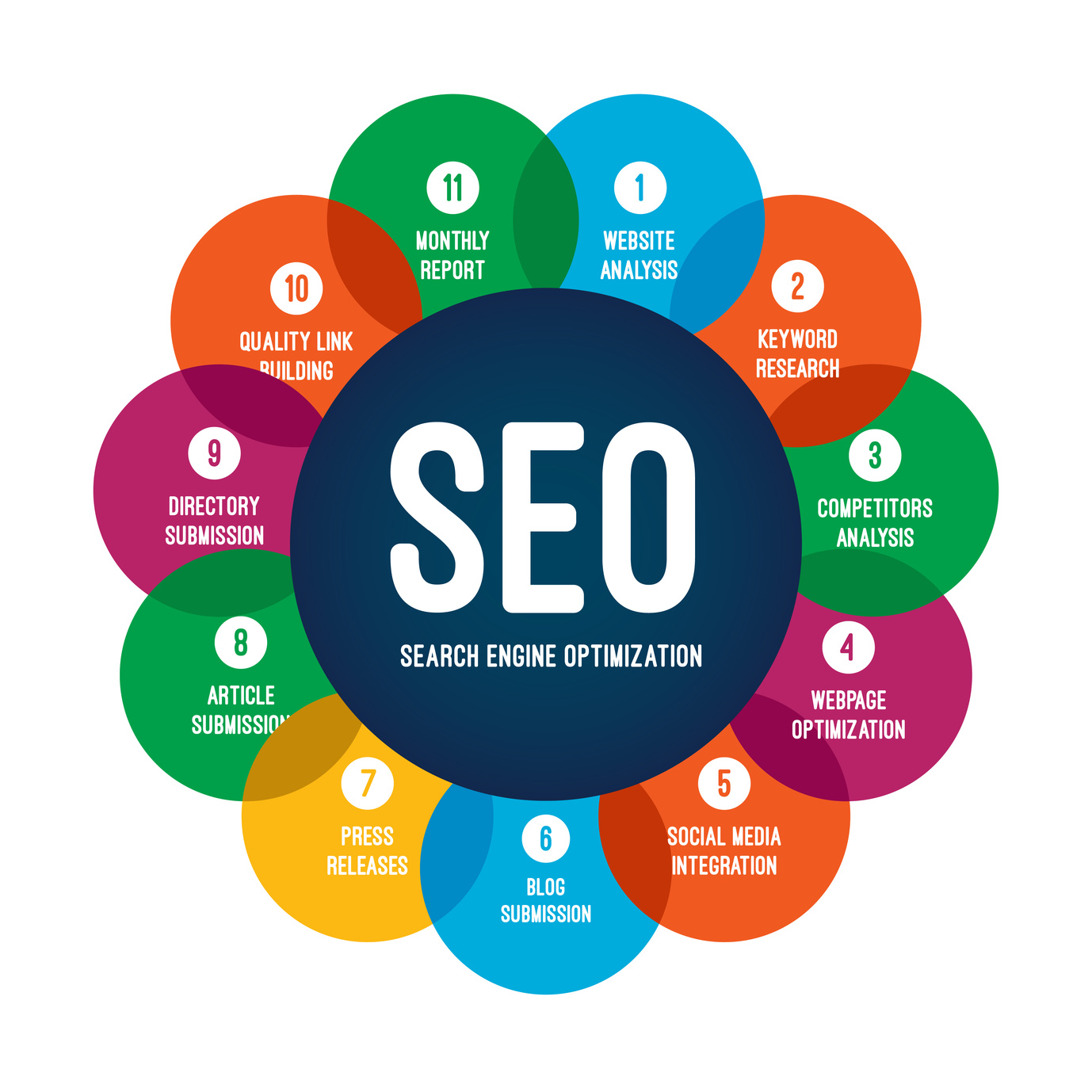
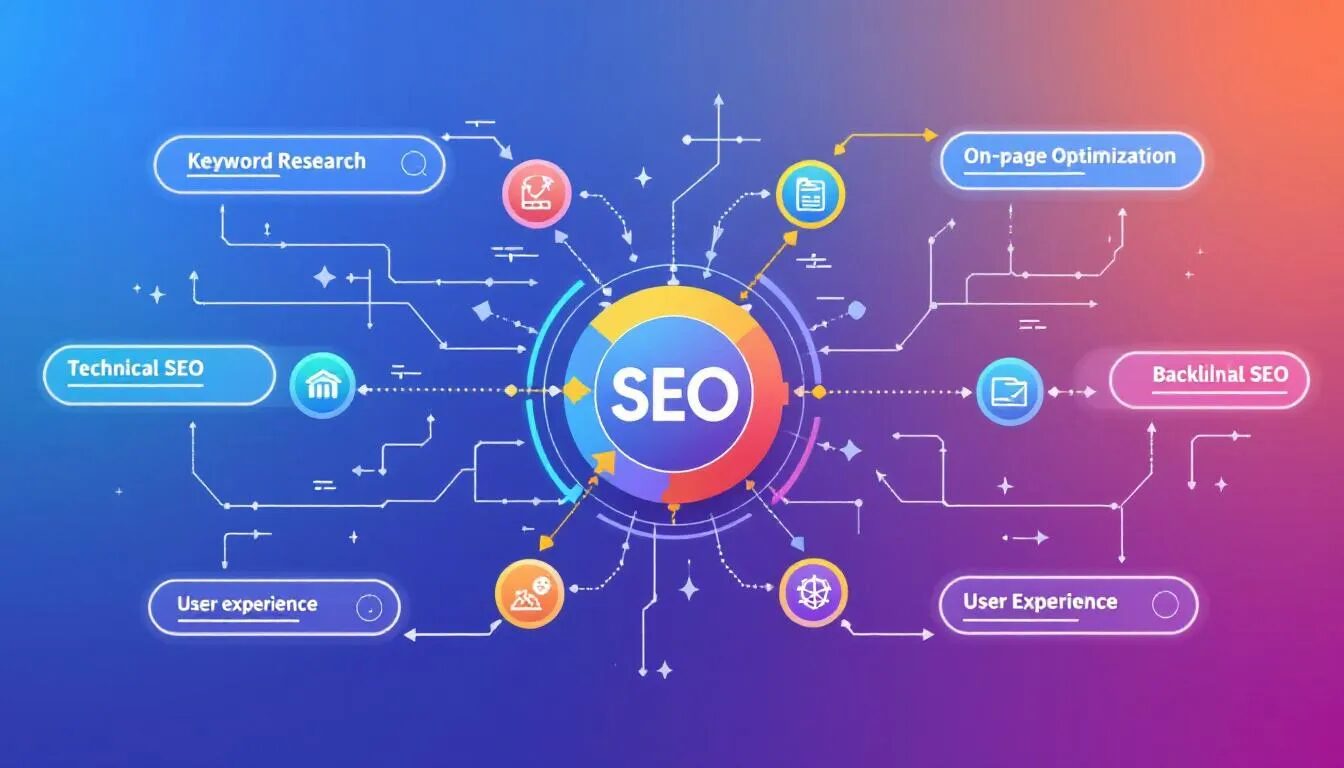
Technical and on-page SEO form the backbone of search engine visibility, directly influencing crawlability, indexing, and user experience. High-ranking websites prioritize structural integrity—such as optimized page speed, mobile adaptability, and semantic markup—while refining on-page elements like meta tags, content hierarchy, and internal linking. These optimizations address both search engine algorithms and user intent, ensuring content aligns with ranking signals while delivering measurable performance improvements. Below, we dissect critical technical fixes, on-page auditing methodologies, debunked myths, and a tactical guide for optimizing product pages.
Technical SEO resolves foundational issues that hinder search engine access, indexing, or rendering. Common fixes include:
- Core Web Vitals Optimization: Page speed directly impacts rankings, with Google prioritizing sites loading under 2.5 seconds. Critical optimizations involve:
- Image Compression: Reduce file sizes using tools like TinyPNG or WebP conversion, targeting a <100KB size for hero images.
- Lazy Loading: Implement `loading="lazy"` for offscreen images/videos to defer resource loading.
- Server-Level Caching: Configure CDNs (e.g., Cloudflare) or leverage browser caching headers (`Cache-Control: public, max-age=31536000`).
- Render-Blocking Resources: Inline critical CSS and defer non-critical JavaScript using `async`/`defer` attributes.
- Database Optimization: Query optimization and indexing reduce server response times (e.g., MySQL `EXPLAIN` for slow queries).
Example: A retail client reduced bounce rates by 40% after implementing lazy loading and compressing product images, achieving a 2.1-second load time (up from 5.8 seconds).
- Mobile Responsiveness: Over 60% of searches originate from mobile devices (Google, 2023). Key actions include:
- Fluid Grids: Use CSS Flexbox/Grid with relative units (`%`, `vw`) instead of fixed pixels.
- Viewport Meta Tag: ``.
- Touch Targets: Ensure interactive elements (buttons, links) are ≥48x48px for usability.
- AMP for Critical Pages: Accelerated Mobile Pages (AMP) can improve mobile CTR by 15–20% for news/shopping sites.
- Structured Data Markup: Enhances rich snippets and knowledge graph appearances. Implement:
- Schema.org Vocabulary: Use JSON-LD for product reviews (`AggregateRating`), events (`Event`), or FAQs (`Question`).
- Validation: Test with Google’s Rich Results Test to avoid markup errors.
- Dynamic Rendering: Serve structured data to bots while maintaining user-facing simplicity.
Formula for Structured Data Implementation:{
"@context": "https://schema.org",
"@type": "Product",
"name": "Wireless Earbuds Pro",
"image": "https://example.com/earbuds.jpg",
"offers": {
"@type": "Offer",
"priceCurrency": "USD",
"price": "99.99",
"availability": "https://schema.org/InStock"
}
}
On-Page Optimization Auditing with Tools
On-page SEO audits identify gaps in content relevance, hierarchy, and technical tags. Tools like Screaming Frog and Ahrefs automate this process:
- Screaming Frog Crawl Analysis:
- Meta Tag Review: Scan for missing/duplicate `` or `<meta description>` tags, ensuring:</li>
<li>Title Length: 50–60 characters (visible in SERPs).</li>
<li>Description Length: 120–160 characters with a clear CTA.</li>
<li>URL Structure: Include primary keyword (e.g., `/wireless-earbuds-pro` vs. `/product?id=123`).</li>
<li>Header Hierarchy: Validate `<h1>` uniqueness and logical `<h2 id="nesting-e-g-page-topic-subtopics-internal-linking-check-for-orphaned-pages-no-ba">/<h3>` nesting (e.g., `<h1>` = page topic, `<h2>` = subtopics).</li>
<li>Internal Linking: Check for orphaned pages (no backlinks) or broken links using the "Inlinks" report.</li></p><p>- Ahrefs Content Explorer:<br />
<li>Keyword Gap Analysis: Compare top-ranking pages for a target keyword (e.g., "best wireless earbuds 2024") to identify missing subtopics or semantic terms.</li>
<li>Content Density: Ensure primary keyword appears in the first 100 words and within `<h1>/<h2>` tags.</li>
<li>Readability Scores: Use tools like Hemingway Editor to target a 7th-grade reading level (Flesch-Kincaid).</li>
<blockquote>
Audit Checklist for On-Page SEO:<br />
1. Verify `<title>` and `<meta description>` uniqueness and keyword inclusion.<br />
2. Confirm `<h1>` matches search intent (e.g., "Buy" for commercial queries).<br />
3. Audit internal links for relevance (e.g., link from a blog post to a product page).<br />
4. Check for duplicate content using Ahrefs’ "Content Gap" tool.<br />
5. Validate mobile rendering with Google’s Mobile-Friendly Test.</blockquote>
<h3>Debunking Common On-Page SEO Myths</h3>
Misconceptions persist in on-page SEO, often leading to misallocated resources. Three prevalent myths include:<br />
<li>Myth 1: Keyword Density Determines Rankings</li>
<li>Reality: Exact-match keyword density (e.g., 3–5% rule) is obsolete. Modern algorithms prioritize semantic relevance and user intent. Instead, focus on:</li>
<li>LSI Keywords: Include related terms (e.g., "noise cancellation" for "wireless earbuds").</li>
<li>Natural Integration: Keywords should flow contextually (e.g., "These earbuds offer 30-hour battery life with active noise cancellation").</li></p><p>- Myth 2: More Content Always Ranks Better<br />
<li>Reality: Thin content (low word count, no value) hurts rankings. Quality metrics like:</li>
<li>Dwell Time: Pages with high engagement (e.g., >90 seconds) rank higher.</li>
<li>Depth: Answer the "why," "how," and "comparison" aspects of a topic (e.g., a 2,000-word guide on earbuds vs. a 300-word product description).</li>
<li>Exception: Short-form content (e.g., FAQs, how-tos) can rank if it satisfies a specific intent (e.g., "How to pair wireless earbuds").</li></p><p>- Myth 3: Optimizing for One Keyword Maximizes Traffic<br />
<li>Reality: Topic Clusters outperform single-keyword optimization. For example:</li>
<li>Pillar Page: "Best Wireless Earbuds 2024" (comprehensive guide).</li>
<li>Supporting Pages: "Earbuds for Small Ears," "Earbuds with Longest Battery Life."</li>
<li>Result: Targeting 5–10 related keywords increases organic traffic by 30–50% (Ahrefs case study).</li>
<h3>Step-by-Step Guide: Optimizing a Product Page for High-Intent Keywords</h3>
Optimizing a product page for a high-intent keyword (e.g., "buy wireless earbuds under $100") requires alignment with commercial search intent. Below is a structured approach:</p><p>1. Keyword Research and Intent Analysis<br />
<li>Tool: Ahrefs or Google Keyword Planner.</li>
<li>Action:</li>
<li>Identify commercial intent modifiers (e.g., "buy," "discount," "review").</li>
<li>Analyze top-ranking pages for:</li>
<li>Price Range: Competitors may target "$50–$100" or "budget."</li>
<li>Features Highlighted: Noise cancellation, battery life, brand reputation.</li>
<li>Example: For "wireless earbuds under $100," prioritize:</li>
<li>`<title>`: "Wireless Earbuds Under $100 | [Brand] – Noise Cancellation, 20H Playtime"</li>
<li>`<meta description>`: "Discover the best wireless earbuds under $100 with 30-hour battery life and active noise cancellation. Free shipping on orders over $50."</li></p><p>2. On-Page Structural Optimization<br />
<li>Visual Hierarchy:</li>
<li>`<h1>`: "Wireless Earbuds Under $100 – [Product Name]"</li>
<li>`<h2>` Subsections:</li>
<li>"Key Features"</li>
<li>"Why Choose [Brand]?"</li>
<li>"Frequently Asked Questions"</li>
<li>"Customer Reviews (4.8/5)"</li>
<contentzza><h2>Off-Page Strategies: Authority Building and Backlink Profiles</h2>
Off-page SEO focuses on enhancing a website’s credibility and visibility through external signals, with backlink profiles serving as the cornerstone of authority. Unlike on-page optimizations, which control content and structure, off-page strategies rely on third-party endorsements to signal trustworthiness to search engines. The distinction between ethical ("white-hat") and unethical ("black-hat") link-building tactics determines long-term rankings, as search engines like Google prioritize natural, high-quality links over manipulative schemes. This section explores the dichotomy between these approaches, evaluates backlink sources using structured criteria, and outlines competitive analysis techniques to refine link-building campaigns.<br />
<h3 id="white-hat-vs-black-hat-link-building-tactics-and-their-consequences">White-Hat vs. Black-Hat Link-Building Tactics and Their Consequences</h3>
The quality of backlinks directly impacts search rankings, with search engines employing algorithms like Google’s Penguin updates to penalize manipulative practices. White-hat link-building adheres to search engine guidelines, emphasizing organic growth through valuable content and genuine relationships. Examples include:<br />
<li>Guest blogging on authoritative sites within the industry, where links are editorial and contextually relevant.</li>
<li>HARO (Help a Reporter Out) responses, providing expert insights in exchange for attribution and backlinks.</li>
<li>Digital PR campaigns, where brands earn media coverage through press releases or influencer collaborations.</li></p><p>Conversely, black-hat tactics exploit loopholes for rapid, artificial growth, often resulting in penalties or deindexing. Common examples include:<br />
<li>Spammy directory submissions to low-quality or irrelevant directories with excessive anchor text.</li>
<li>Private Blog Networks (PBNs), where websites are created solely to link back to a primary site, violating Google’s guidelines on artificial link schemes.</li>
<li>Paid links or link schemes, where brands pay for links without disclosure, violating search engine policies.</li></p><p>Long-term consequences of black-hat tactics include:<br />
<li>Manual penalties from Google, requiring disavowal actions or site recovery efforts.</li>
<li>Algorithm-driven devaluations, where links lose ranking power due to updates like Google’s "Link Spam" policies.</li>
<li>Reputational damage, as unethical practices may deter partnerships and harm brand trust.</li>
<blockquote>
"Google’s algorithm prioritizes links earned through merit, not manipulation. Sites relying on black-hat tactics often face sudden ranking drops, even after corrections."<br />
— <em>Google Search Central Guidelines</em></blockquote>
<h3 id="evaluating-backlink-sources-a-structured-framework">Evaluating Backlink Sources: A Structured Framework</h3>
Assessing backlink sources requires a balance between authority, relevance, and risk. Below is a table categorizing common backlink types, their typical authority scores (using Moz Domain Authority or Ahrefs Domain Rating), risk levels, and best practices for acquisition.<br />
<div style="overflow-x:auto;margin:30px 0;"><table border="1" cellpadding="8" cellspacing="0" style="width:100%;max-width:900px;border-collapse:collapse;"><thead><tr><th>Backlink Source Type</th>
<th>Authority Score Range</th>
<th>Risk Level</th>
<th>Best Practices for Acquisition</th>
</tr>
</thead>
<tbody><tr><td>Guest Posts (Industry-Relevant)</td>
<td>40–90 (Moz DA) / 30–70 (Ahrefs DR)</td>
<td>Low to Moderate</td>
<td><ul><li>Target sites with editorial guidelines and high domain authority.</li>
<li>Ensure content adds value beyond promotional links; use natural anchor text.</li>
<li>Monitor for spammy guest post networks (e.g., sites selling links).</li>
</ul>
</td>
</tr>
<tr><td>HARO and Expert Contributions</td>
<td>50–100 (Moz DA) / 40–80 (Ahrefs DR)</td>
<td>Low</td>
<td><ul><li>Provide actionable insights in responses; avoid generic pitches.</li>
<li>Prioritize reputable journalists and publications with strong SEO metrics.</li>
<li>Track citations in articles for backlink opportunities.</li>
</ul>
</td>
</tr>
<tr><td>Digital PR and Media Coverage</td>
<td>60–100 (Moz DA) / 50–90 (Ahrefs DR)</td>
<td>Low</td>
<td><ul><li>Develop newsworthy content (e.g., case studies, original research).</li>
<li>Leverage PR distribution platforms like PR Newswire or Cision.</li>
<li>Secure links from .edu or .gov domains for additional trust signals.</li>
</ul>
</td>
</tr>
<tr><td>Industry Directories (Niche-Specific)</td>
<td>20–60 (Moz DA) / 10–50 (Ahrefs DR)</td>
<td>Moderate</td>
<td><ul><li>Focus on directories with manual review processes (e.g., Yelp, BBB).</li>
<li>Avoid spammy directories with low trust scores (e.g., "free link submission" sites).</li>
<li>Ensure directory listings include accurate NAP (Name, Address, Phone) data.</li>
</ul>
</td>
</tr>
<tr><td>Resource Page Link Building</td>
<td>30–80 (Moz DA) / 20–60 (Ahrefs DR)</td>
<td>Low to Moderate</td>
<td><ul><li>Identify resource pages in your niche and request additions.</li>
<li>Provide high-quality, evergreen content (e.g., tools, guides) to justify inclusion.</li>
<li>Use tools like Ahrefs’ "Broken Link Building" feature to find outdated links.</li>
</ul>
</td>
</tr>
<tr><td>Social Media and Forums (Indirect Signals)</td>
<td>Varies (Low Direct Impact)</td>
<td>Low</td>
<td><ul><li>Engage in discussions on platforms like Reddit, Quora, or LinkedIn with links to relevant content.</li>
<li>Avoid over-optimization; focus on adding value to conversations.</li>
<li>Monitor for dofollow links in forum signatures or profiles.</li>
</ul>
</td>
</tr>
<tr><td>Sponsored Content (Native Advertising)</td>
<td>40–90 (Moz DA) / 30–70 (Ahrefs DR)</td>
<td>Moderate to High</td>
<td><ul><li>Disclose sponsorships per FTC guidelines to avoid penalty risks.</li>
<li>Partner with high-authority publishers (e.g., Forbes, Business Insider).</li>
<li>Ensure content aligns with the publisher’s editorial standards.</li>
</ul>
</td>
</tr>
</tbody>
</table></div>
<h3 id="competitive-backlink-analysis-identifying-gaps-and-opportunities">Competitive Backlink Analysis: Identifying Gaps and Opportunities</h3>
Analyzing competitors’ backlink profiles reveals untapped opportunities and high-value link sources. Tools like Majestic SEO, Moz Link Explorer, and Ahrefs provide insights into:<br />
<li>Top referring domains (sites linking most frequently to competitors).</li>
<li>Anchor text distribution (over-optimized anchors may indicate black-hat tactics).</li>
<li>Link velocity (sudden spikes may signal manipulative campaigns).</li>
<li>Lost vs. gained links (identifying backlinks competitors have acquired or lost).</li></p><p>Step-by-step process for competitive analysis:<br />
1. Select competitors: Choose 3–5 direct competitors with strong organic rankings.<br />
2. Export backlink data: Use tools to retrieve competitor backlink profiles (e.g., Majestic’s "Topical Trust Flow" or Ahrefs’ "Referring Domains").<br />
3. Filter by relevance: Exclude low-authority or irrelevant sources (e.g., spammy directories).<br />
4. Identify gaps: Compare backlink sources to find opportunities where competitors lack links (e.g., niche directories, unlinked brand mentions).<br />
5. Prioritize high-DA targets: Focus on domains with high Domain Authority (DA > 50) and relevance to your industry.<br />
6. Monitor trends: Track competitors’ new backlinks weekly to adapt strategies (e.g., if a competitor gains links from a .edu site, replicate the outreach).<br />
<blockquote>
"Competitive backlink analysis isn’t about copying; it’s about understanding the ecosystem. The goal is to find high-quality, scalable opportunities that competitors may have overlooked."<br />
— <em>Ahrefs Advanced SEO Guide</em></blockquote>
Example use case with Majestic SEO:<br />
<li>A competitor in the</li>
<contentzza><h2 id="local-seo-and-industry-specific-ranking-factors">Local SEO and Industry-Specific Ranking Factors</h2>
Local search optimization (SEO) is a critical differentiator for businesses competing in geographically constrained markets. Unlike global or broad-niche SEO, local ranking success hinges on proximity, relevance, and trust signals—three pillars that Google’s algorithm evaluates through structured data, user behavior, and third-party validation. Industry-specific nuances further refine these strategies, as compliance requirements, consumer expectations, and competitive landscapes vary significantly. For instance, a healthcare provider must prioritize HIPAA-compliant citation consistency, while a law firm’s local dominance depends on attorney-specific citations and case study-driven content. This section explores the unique ranking factors for local businesses, provides actionable audit checklists, and contrasts strategies for service-based and product-based enterprises. Industry-specific trends—such as healthcare’s emphasis on patient reviews or legal firms’ reliance on authoritative citations—demonstrate how tailored approaches elevate visibility in hyper-local searches.<br />
<blockquote>
"Local SEO is not just about appearing in the map pack; it’s about dominating it by aligning digital assets with how users search for <em>your specific</em> business type."</blockquote>
<h3 id="core-ranking-factors-for-local-businesses">Core Ranking Factors for Local Businesses</h3>
Google’s local search algorithm evaluates three primary signals: proximity, relevance, and prominence. Proximity is determined by the user’s location and the business’s physical address, while relevance assesses how well a business matches the search intent (e.g., "best Italian restaurant near me"). Prominence, the most complex factor, combines online authority (reviews, backlinks) and offline recognition (awards, local media mentions). For local businesses, Google Business Profile (GBP) optimization is the foundation, followed by citation consistency, review management, and technical local signals (e.g., schema markup for "LocalBusiness" or "Service").</p><p>A 2023 Moz study revealed that 46% of all Google searches have local intent, with 76% of users who conduct a local search visiting a business within a day. However, only 29% of businesses actively optimize for these signals, creating a competitive gap. Key components include:<br />
<li>Google Business Profile (GBP) Optimization: Complete accuracy in business name, address, phone (NAP), hours, and service areas. High-quality photos (especially of products/services) and virtual tours improve engagement metrics.</li>
<li>Citation Consistency: NAP data must match across 100+ directories (e.g., Yelp, Yellow Pages, industry-specific platforms). Inconsistencies (e.g., "St." vs. "Street") dilute trust signals.</li>
<li>Review Management: Response rates to reviews (positive or negative) correlate with higher rankings. A 3.5-star average is the threshold for appearing in the local pack, but 50+ reviews significantly boost prominence.</li>
<li>Technical Local SEO: Implementation of structured data (JSON-LD for local business schema), mobile-friendliness, and fast page load speeds (critical for user experience signals).</li>
<blockquote>
"Local pack dominance requires a 90%+ NAP consistency rate across all citations, with at least 20% of citations coming from authoritative industry-specific directories."</blockquote>
<h3 id="local-seo-audit-checklist-for-businesses">Local SEO Audit Checklist for Businesses</h3>
A systematic audit ensures compliance with local ranking factors and identifies gaps. Below is a step-by-step checklist categorized by priority, with actionable fixes for each issue.</p><p>1. Google Business Profile (GBP) Verification and Optimization<br />
<li>Claim and verify the listing via Google Search Console or the GBP dashboard (if unclaimed).</li>
<li>Complete all primary attributes:</li>
<li>Business name (exact match with legal name, no keywords like "Best").</li>
<li>Accurate NAP (use the full address, including suite/unit numbers).</li>
<li>Service area (for service-based businesses) or delivery zones (for product-based).</li>
<li>Business category (select the most specific primary category; e.g., "Plumbing Contractor" over "Home Services").</li>
<li>Add high-quality media:</li>
<li>Cover photo (logo or professional header image).</li>
<li>10+ photos (interior, exterior, team, before/after for services).</li>
<li>Virtual tour (for retail or high-traffic locations).</li>
<li>Enable messaging and appointments (if applicable).</li>
<li>Post updates weekly (promotions, events, or service highlights).</li></p><p>2. Citation Consistency Audit<br />
<li>Scrape existing citations using tools like BrightLocal, Moz Local, or Yext.</li>
<li>Identify inconsistencies in NAP data (e.g., "123 Main St" vs. "123 Main Street").</li>
<li>Fix or remove duplicate listings (use Google’s Disavow Tool for harmful duplicates).</li>
<li>Ensure 20% of citations come from industry-specific directories (e.g., Healthgrades for clinics, Angi for contractors).</li>
<li>Submit to high-authority local directories:</li>
<li>General: Yelp, Yellow Pages, Bing Places.</li>
<li>Industry-specific: Zocdoc (healthcare), Avvo (legal), Houzz (home improvement).</li></p><p>3. Review Management and Reputation Repair<br />
<li>Respond to all reviews within 24 hours (personalized responses improve ranking signals).</li>
<li>Encourage reviews via:</li>
<li>In-store signage or receipts with a direct Google review link.</li>
<li>Follow-up emails/SMS (use tools like ReviewTrackers or Podium).</li>
<li>Address negative reviews professionally:</li>
<li>Acknowledge the issue publicly, then resolve privately via DM or call.</li>
<li>Never delete reviews (Google penalizes this; instead, report fake reviews).</li>
<li>Monitor review velocity: Aim for 5–10 new reviews/month to sustain momentum.</li></p><p>4. Technical and On-Site Local SEO Fixes<br />
<li>Implement LocalBusiness schema markup on the homepage and service pages:</li></p><p>{<br />
"@context": "https://schema.org",<br />
"@type": "LocalBusiness",<br />
"name": "Example Plumbing Co.",<br />
"address": {<br />
"@type": "PostalAddress",<br />
"streetAddress": "123 Main St",<br />
"addressLocality": "Springfield",<br />
"addressRegion": "IL",<br />
"postalCode": "62704",<br />
"addressCountry": "US"<br />
},<br />
"telephone": "+1-555-123-4567",<br />
"geo": {<br />
"@type": "GeoCoordinates",<br />
"latitude": "39.8065",<br />
"longitude": "-89.6504"<br />
},<br />
"openingHours": "Mo-Fr 08:00-17:00",<br />
"serviceArea": ["Springfield", "Champaign"],<br />
"review": [<br />
{<br />
"@type": "Review",<br />
"reviewRating": "5",<br />
"author": "Jane Doe",<br />
"datePublished": "2023-10-15"<br />
}<br />
]<br />
}</p><p>- Optimize for "near me" searches:<br />
<li>Include location-specific keywords in titles/meta descriptions (e.g., "Plumber in Springfield, IL").</li>
<li>Create service-area pages for each city/town served (e.g., `/services/springfield-plumbing`).</li>
<li>Fix duplicate content and thin pages (Google may de-prioritize sites with low-value location pages).</li></p><p>5. Backlink Profile for Local Authority<br />
<li>Secure local citations from:</li>
<li>Local news sites (e.g., "Springfield Gazette" mentions).</li>
<li>Chamber of Commerce listings.</li>
<li>Sponsorships (e.g., little league teams, community events).</li>
<li>Leverage unlinked mentions: Use Ahrefs or Majestic to find websites mentioning your business but not linking to it; request backlinks.</li>
<li>Avoid low-quality links: Disavow links from PBNs, spammy directories, or irrelevant sites.</li>
<h3 id="service-based-vs-product-based-local-seo-strategies">Service-Based vs. Product-Based Local SEO Strategies</h3>
The approach to local SEO differs fundamentally between service-based businesses (e.g., plumbers, lawyers, dentists) and product-based businesses (e.g., furniture stores, auto shops, bakeries). These differences stem from search intent, conversion paths, and trust signals.<br />
<div style="overflow-x:auto;margin:30px 0;"><table border="1" cellpadding="5" cellspacing="0" style="width:100%;max-width:900px;border-collapse:collapse;"><thead><tr><th>Factor</th><th>Service-Based Businesses</th><th>Product-Based Businesses</th>
</tr></thead>
<tbody><tr><td>Primary Keywords</td><td>"Emergency plumber near me," "best divorce lawyer in [city]."</td><td>"Handmade wooden furniture [city]," "best coffee shop near downtown."</td></tr>
<tr><td>GBP Category Selection</td><td>Hyper-specific (e.g., "Emergency Plumber" vs. "Handyman").</td><td>Broader but detailed (e.g., "Furniture Store" + "Custom Woodworking").</td></tr>
<tr><td>Citation Sources</td><td>Industry-specific (Angi, HomeAdvisor, Yelp).</td></tr>
</tbody>
</table></div>
<p>The landscape of SEO ranking companies is defined by a convergence of technical expertise, creative content execution, and relentless performance tracking. As search engines continue to refine their algorithms, the most successful firms adapt by prioritizing transparency in reporting, ethical authority-building, and industry-specific optimizations. From diagnosing a client’s current search performance to orchestrating multi-channel link acquisition campaigns, the process demands both analytical rigor and strategic foresight. The case studies and technical breakdowns presented here illustrate that sustainable rankings are not achieved through shortcuts but through disciplined, iterative improvements. For businesses seeking to elevate their digital footprint, partnering with an SEO ranking company that combines data-driven insights with adaptive strategies remains the most reliable path to long-term visibility and conversion growth.</p>
<h2 id="faq">FAQ</h2>
<h3 id="what-is-the-best-google-ranking-company-to-improve-my-websites-search-engine-vis">What is the best Google ranking company to improve my website’s search engine visibility?</h3>
<p>Google doesn’t rank companies—it ranks websites based on algorithms. For professional help, look for reputable SEO agencies with proven case studies, transparent reporting, and expertise in technical SEO, content optimization, and backlink strategies. Avoid companies promising unrealistic results or using black-hat tactics.</p>
<h3 id="which-google-ranking-company-operates-in-dubai-and-can-help-with-local-seo">Which Google ranking company operates in Dubai and can help with local SEO?</h3>
<p>In Dubai, top SEO companies like Digital Nest Agency, Webchutney, or ClickDo specialize in local SEO, helping businesses rank higher in Google searches for UAE audiences. Verify their experience with Google Business Profile optimization, keyword targeting, and regional backlink strategies to ensure relevance.</p>
<h3 id="how-does-google-rank-companies-globally-and-which-ones-dominate-the-seo-industry">How does Google rank companies globally, and which ones dominate the SEO industry?</h3>
<p>Google ranks companies based on domain authority, traffic, and industry reputation—not by "official" lists. Leading global SEO firms like Ahrefs, Moz, SEMrush (by SEM Rush), and Distilled are widely recognized for tools, research, and expertise, but no single company "dominates" the entire industry.</p>
<h3 id="which-is-the-leading-seo-company-in-india-for-businesses-looking-to-boost-their-">Which is the leading SEO company in India for businesses looking to boost their online presence?</h3>
<p>Top SEO companies in India include Digital Vidya, RankWatch, and Webchutney, known for scalable strategies, local market expertise, and data-driven approaches. Smaller agencies like SEO Services India or Techmagnate may offer niche specializations; always check client reviews and case studies.</p>
<h3 id="what-are-the-top-seo-companies-in-mumbai-for-small-to-mid-sized-businesses">What are the top SEO companies in Mumbai for small to mid-sized businesses?</h3>
<p>Mumbai-based SEO firms like Webchutney, ClickDo, and RankWatch are highly rated for local and national SEO campaigns. For smaller budgets, SEO Services Mumbai or Digital Nest Agency provide tailored strategies, though pricing and results vary—request free audits to compare.</p>
<h3 id="which-is-the-largest-seo-company-in-the-world-by-revenue-or-client-base">Which is the largest SEO company in the world by revenue or client base?</h3>
<p>Publicis Groupe (which includes agencies like Razorfish and Starcom) and WPP (home to GroupM and Kantar) are among the largest marketing/SEO firms globally by revenue, but no single company specializes <em>solely</em> in SEO. For pure SEO, Ahrefs (tool provider) and Distilled (consultancy) are industry leaders in influence, not size.</p></table></div>
<ul class="term-list"><li><a href="/tag/backlink-authority" rel="tag">backlink authority</a></li><li><a href="/tag/digital-marketing-techniques" rel="tag">digital marketing techniques</a></li><li><a href="/tag/local-seo-optimization" rel="tag">local seo optimization</a></li><li><a href="/tag/search-engine-optimization" rel="tag">search engine optimization</a></li><li><a href="/tag/seo-ranking-strategies" rel="tag">seo ranking strategies</a></li></ul>
<section id="comments" class="comments" aria-label="Comments">
<h2>Leave a Comment</h2>
<form class="comment-form" method="post" action="/action/comment">
<p class="comment-row"><label for="cf-name">Name</label><input id="cf-name" name="name" type="text" maxlength="60" required></p>
<p class="comment-row"><label for="cf-text">Comment</label><textarea id="cf-text" name="comment" rows="4" maxlength="2000" required></textarea></p>
<p class="comment-row"><button type="submit">Post Comment</button></p>
</form>
<p class="comment-note">Comments are moderated before appearing. The data you submit is processed according to the <a href="/privacy-policy">Privacy Policy</a> of viralcontentbee.com.</p>
</section>
</article>
</div>
<aside class="related"><h2>Keep Reading</h2><ul><li><a href="/how-to-get-my-business-on-top-of-google-search">How To Get My Business On Top Of Google Search With Proven Strategies</a></li><li><a href="/improve-ranking-on-google">Improve ranking on google with proven strategies</a></li><li><a href="/how-to-get-higher-google-search-ranking">How to get higher google search ranking with proven strategies</a></li><li><a href="/how-to-rank-top-in-google-search">how to rank top in google search mastering essential strategies</a></li><li><a href="/types-of-marketing-techniques">Types of marketing techniques and their strategic applications</a></li></ul></aside>
</div><aside class="sidebar"><section class="sb-block sb-search"><h2>Search</h2><form class="search-form" action="/search" method="get"><input type="search" name="q" placeholder="Search articles..." aria-label="Search articles"><button type="submit">Search</button></form></section><section class="sb-block sb-recent"><h2>Recent Posts</h2><ul class="sb-recent-list"><li><a href="/easy-start-business">Launching an easy start business with minimal risk and maximum</a></li><li><a href="/first-business-ideas">First Business Ideas That Drive Profit And Growth</a></li><li><a href="/first-step-starting-a-business">First Step Starting A Business Mindset And Action Plan</a></li><li><a href="/first-step-when-starting-a-business">First step when starting a business essentials for success</a></li><li><a href="/how-the-business-started">How The Business Started From Vision To Execution</a></li></ul></section></aside></div></main>
<footer class="site-footer">
<div class="wrap">
<p class="footer-copy">© 2026 <a href="/">viralcontentbee.com</a>. All rights reserved.</p>
<nav class="footer-nav" aria-label="Information pages"><a href="/about">About Us</a><a href="/contact">Contact Us</a><a href="/privacy-policy">Privacy Policy</a><a href="/disclaimer">Disclaimer</a></nav>
</div>
</footer>
</body>
</html>
|