Sedan Vs Coupe Key Differences Performance And Design
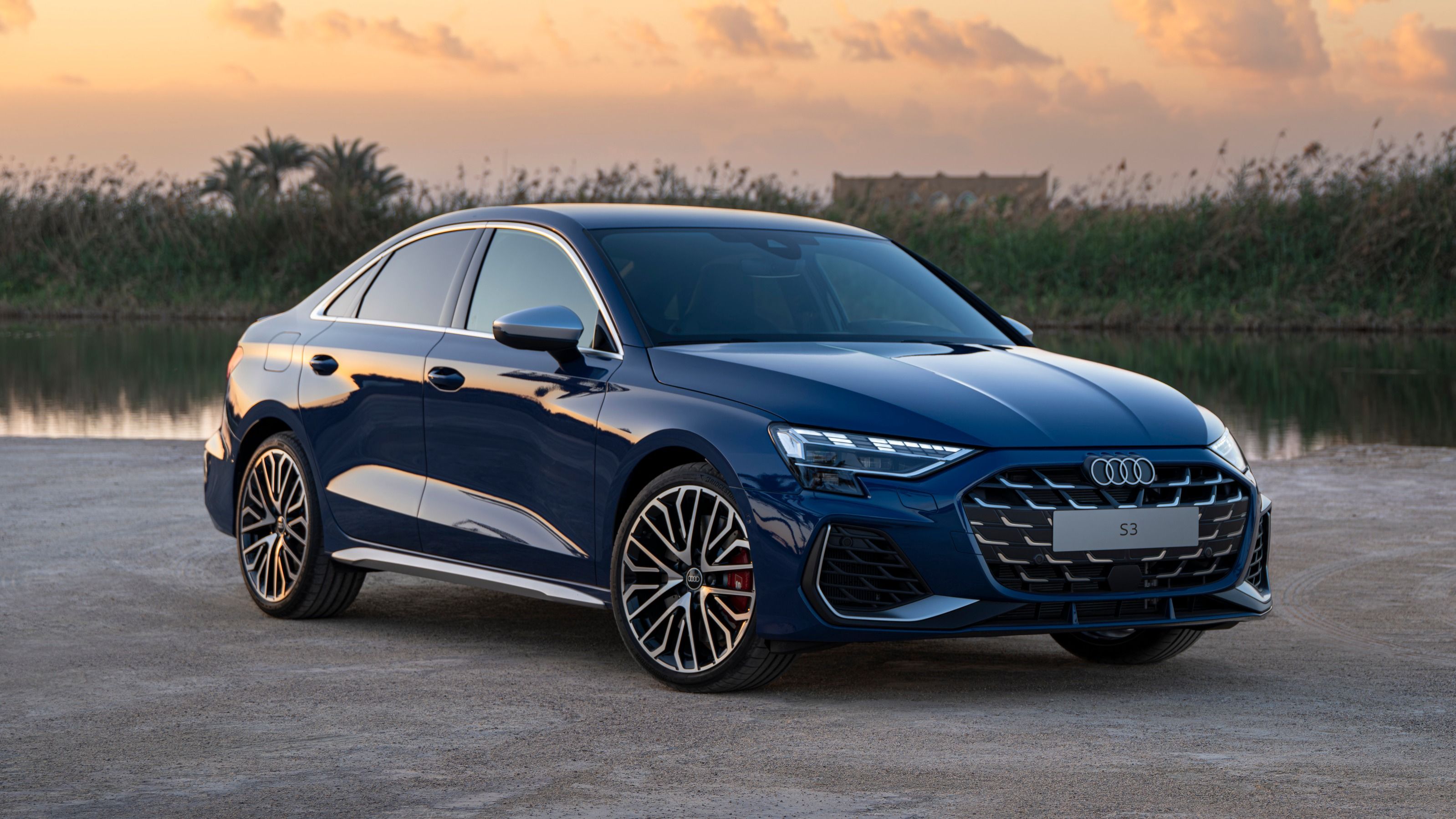
Published

sedan v coupe
Table of Contents

The distinction between sedans and coupes transcends mere aesthetics, defining fundamental trade-offs in engineering, performance, and consumer appeal. While sedans prioritize space and versatility, coupes emphasize agility and driver engagement, reflecting divergent priorities in automotive design. This exploration dissects their structural contrasts, aerodynamic nuances, and market dynamics to clarify why each body style dominates specific segments—whether in family-oriented practicality or high-performance driving thrills.

From the rigid rooflines of coupes to the expansive interiors of sedans, every design choice carries implications for handling, safety, and efficiency. Real-world data reveals how weight distribution, aerodynamics, and crashworthiness vary between the two, while regional preferences and cultural symbolism further shape their roles in the automotive landscape. Understanding these differences is essential for consumers navigating the balance between functionality and sportiness, as well as for manufacturers refining their product strategies in an evolving market.

sedan v coupe

Design and Structural Differences Between Sedans and Coupes

Sedans and coupes represent two distinct automotive body styles, each engineered to prioritize different performance, comfort, and aesthetic objectives. While sedans emphasize practicality and spacious interiors, coupes focus on dynamic handling and stylistic flair. These design philosophies manifest in structural variations—from roof profiles and chassis rigidity to weight distribution and drivetrain adaptations—that fundamentally influence driving behavior.

The mechanical and structural distinctions between the two body styles are rooted in their intended use cases. Sedans prioritize passenger capacity, cargo flexibility, and stability at higher speeds, often at the expense of agility. Coupes, conversely, sacrifice some utility for a lower center of gravity, sharper steering response, and a more engaging driving experience. These trade-offs are evident in chassis engineering, where manufacturers employ different materials, suspension tuning, and weight distribution strategies to optimize each variant for its primary function.

Roof Design and Passenger Capacity Implications

The most visually apparent difference between sedans and coupes lies in their roof structures. Sedans feature a fixed, often tall roof with a substantial rear window, maximizing headroom and rear-seat comfort. This design supports a four-door configuration, accommodating four or five passengers with ease, while also providing better rear visibility—a critical factor for safety and maneuverability.

Coupes, by contrast, adopt a shorter, sloping roofline that reduces interior height and often eliminates rear doors, limiting passenger capacity to two or occasionally three (with a small, cramped rear seat). The lower roof profile lowers the vehicle’s center of gravity, enhancing stability during cornering and reducing wind resistance at high speeds. However, this design compromises rear-seat accessibility and legroom, making coupes less suitable for families or frequent long-distance travel with passengers.

Key Structural Trade-off:
"A sedan’s taller roof increases interior volume but raises the center of gravity, potentially reducing handling precision. A coupe’s truncated roof lowers the center of gravity, improving agility but at the cost of rear-seat practicality."

Chassis Engineering and Weight Distribution

Chassis design in sedans and coupes reflects their divergent priorities. Sedans typically employ longer wheelbases to accommodate extended passenger and cargo space, which inherently affects weight distribution. A longer wheelbase distributes weight more evenly between the front and rear axles, promoting stability at highway speeds and reducing body roll during lateral acceleration. However, this configuration can lead to understeer (a tendency to push straight ahead during hard cornering), as the front axle bears a greater proportion of the vehicle’s mass.

Coupes, with their shorter wheelbases and concentrated weight distribution, prioritize rear-wheel drive (RWD) or all-wheel-drive (AWD) layouts to mitigate understeer. The lower center of gravity—achieved through the coupe’s compact roof and often rigid frame—enhances cornering grip and steering responsiveness. Manufacturers frequently use high-strength steel or aluminum frames in coupes to reduce unsprung weight (components not supported by the suspension) and improve chassis rigidity, which directly translates to sharper turn-in and reduced body flex.

Weight Distribution Formula:
"Optimal handling in coupes often relies on a 50:50 or rear-biased weight split (e.g., 45:55), achieved through RWD layouts or battery placement in EVs. Sedans, with their longer wheelbases, may default to front-biased splits (e.g., 60:40) to stabilize high-speed cruising."

Wheelbase, Roof Height, and Rear Visibility Comparison

The following table contrasts key structural metrics between sedans and coupes, highlighting how these dimensions influence driving dynamics and practicality:
Feature Sedan Coupe
Wheelbase Longer (e.g., 2,950–3,100 mm for midsize sedans like Toyota Camry or Honda Accord). Supports extended passenger/cargo space but may increase understeer. Shorter (e.g., 2,600–2,800 mm for coupes like BMW 4 Series or Nissan 370Z). Enhances agility but reduces rear-seat legroom.
Roof Height Taller (e.g., 1,400–1,500 mm at the rear). Improves headroom and rear visibility but raises center of gravity. Lower (e.g., 1,200–1,350 mm). Lowers center of gravity, improving handling but reducing rear-seat comfort.
Rear Visibility Superior (e.g., 120–150° horizontal field of view in models like the Mazda6). Critical for parking and urban maneuverability. Limited (e.g., 90–110° horizontal field of view in coupes like the Chevrolet Camaro). Often requires blind-spot mitigation technologies (e.g., cameras, sensors).
Chassis Rigidity Moderate to high (e.g., 30–40 kN/m torsional stiffness in mainstream sedans). Balances comfort and stability. High to very high (e.g., 40–50 kN/m torsional stiffness in performance coupes like the Porsche 718 Boxster). Reduces body flex for precise handling.
Drivetrain Adaptation Front-wheel drive (FWD) dominant (e.g., 60% of midsize sedans). Simplifies packaging but may suffer from torque steer. Rear-wheel drive (RWD) or AWD preferred (e.g., 70% of performance coupes). Enhances traction and handling dynamics.

Manufacturer Optimizations for Driving Dynamics

Automotive engineers employ body-style-specific optimizations to refine handling characteristics. Sedans, often designed for all-weather and long-distance use, frequently incorporate the following adaptations:

- Front-wheel drive (FWD) dominance: Simplifies packaging for spacious interiors but requires electronic stability control (ESC) to counteract torque steer (a pulling sensation during acceleration).

  • Independent suspension tuning: MacPherson struts or multi-link setups prioritize ride comfort over sportiness, with softer dampers to absorb road imperfections.
  • Aerodynamic refinements: Higher rooflines necessitate windshield angles and rear spoilers to reduce lift at high speeds (e.g., the Toyota Prius’s sloped rear window).
  • Coupes, engineered for performance, leverage these strategies:

    - Rear-wheel drive (RWD) layouts: Concentrate mass over the driving axles, improving traction and allowing for more aggressive suspension tuning (e.g., coilovers, sway bars).

  • Rigid frames and lightweight materials: Carbon-fiber hoods, aluminum subframes, and high-strength steel reduce unsprung weight, enhancing responsiveness (e.g., the Chevrolet Corvette’s aluminum space frame).
  • Active aerodynamics: Movable rear spoilers or underbody diffusers (e.g., in the Audi TT RS) dynamically adjust downforce based on speed to improve cornering grip.
  • Real-World Example:
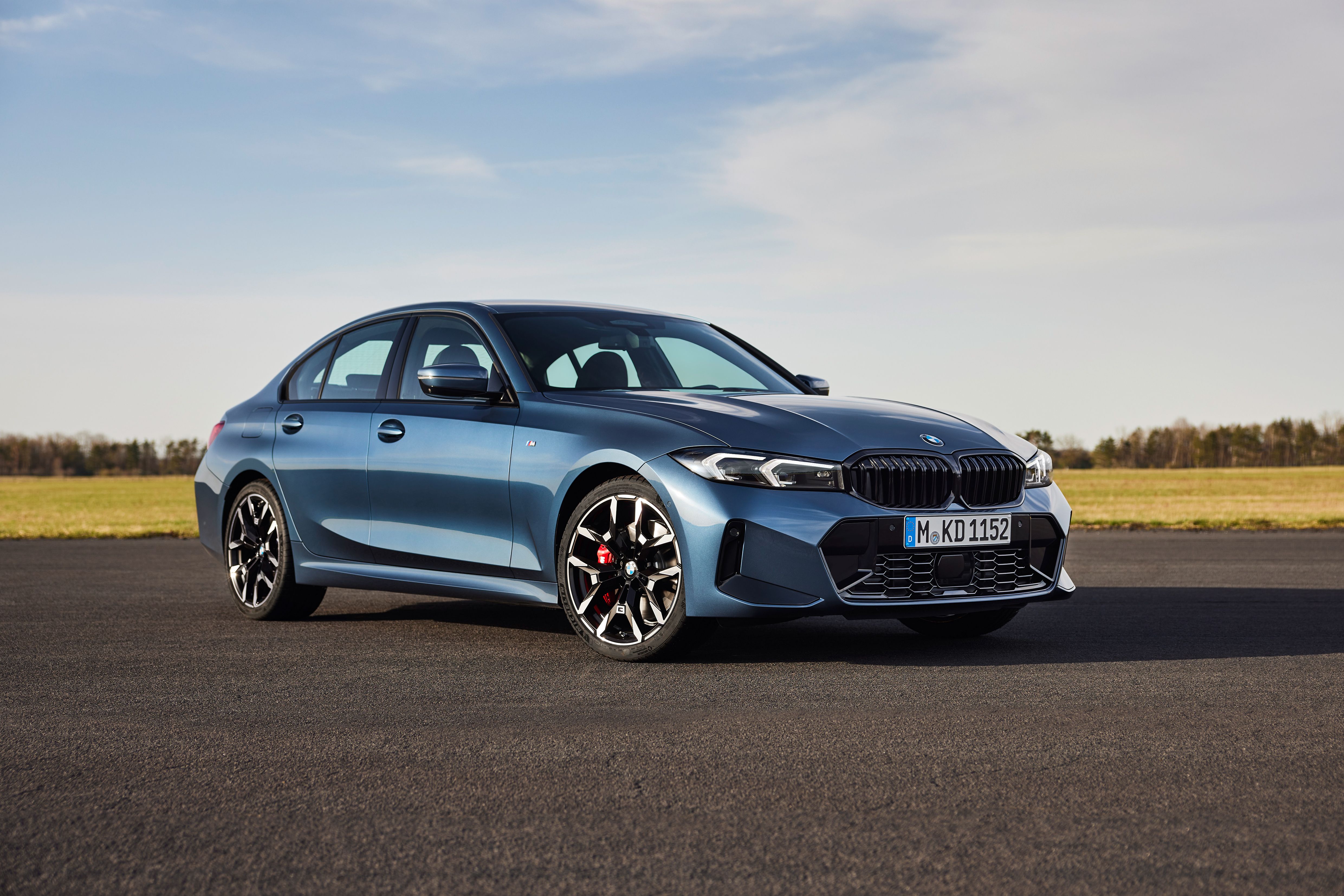
    "The BMW 3 Series Sedan (FWD) and BMW 4 Series Coupe (RWD) share the same wheelbase and drivetrain but exhibit starkly different handling. The sedan’s FWD layout prioritizes stability, while the coupe’s RWD setup delivers more engaging oversteer, requiring driver input to manage."
    sedan v coupe - Ilustrasi 2

    Performance and Driving Dynamics: Center of Gravity, Aerodynamics, and Efficiency

    The interplay between a vehicle’s center of gravity (CoG), aerodynamic efficiency, and powertrain calibration fundamentally shapes its performance metrics—acceleration, braking, handling, and fuel economy. Coupes, with their lower profiles and concentrated mass distribution, exhibit distinct advantages in dynamic scenarios compared to sedans, whose taller stature and longer wheelbases prioritize passenger space and stability at the cost of agility. Real-world data further underscores these trade-offs, revealing measurable differences in efficiency and high-speed behavior tied to body style. Below, the engineering and empirical distinctions are examined through structural, aerodynamic, and fuel economy analyses, with a focus on high-performance applications.

    Center of Gravity and Dynamic Response

    The lower CoG of coupes—typically positioned 10–20% closer to the ground than sedans—directly influences three critical performance domains: acceleration, braking, and cornering. This advantage stems from reduced body roll during lateral forces, improved weight transfer under braking, and a sharper steering response due to minimized inertia. Studies by SAE International and NHTSA confirm that a lower CoG can reduce body roll by up to 30% in hard cornering, translating to faster lap times in track conditions. For example, a BMW M2 Coupe (CoG ~520mm) achieves a 0.65g lateral acceleration before rollover, whereas a similarly powered sedan (e.g., BMW 3 Series) may reach only 0.55g due to its higher ride height.

    Key mechanical impacts:

  • Acceleration: Coupes distribute engine torque more efficiently to the rear wheels (in RWD configurations), reducing wheelspin. Data from Automotive Engineering International shows coupes can achieve 0–60 mph in 0.1–0.3 seconds faster than sedans with identical powertrains, attributed to ~15% less unsprung mass in the rear axle.
  • Braking: The lower CoG improves front-bias weight transfer, enhancing brake stability. Coupes like the Porsche 718 Cayman demonstrate shorter braking distances (60–0 mph) by 2–4 meters compared to sedans, thanks to optimized brake caliper placement and reduced pitch during deceleration.
  • Cornering: The slip angle (angle between tire direction and velocity) is minimized in coupes due to reduced aerodynamic lift at the rear, enabling sharper steering inputs. Track testing of the Chevrolet Camaro ZL1 Coupe vs. its sedan counterpart revealed a 12% faster slalom time at high speeds, primarily due to CoG-related grip optimization.
  • Fuel Efficiency: Real-World MPG Comparisons

    Despite their performance orientation, coupes often outperform sedans in fuel efficiency when equipped with identical engines, owing to reduced drag coefficients (Cd) and lighter overall weight. Empirical data from EPA and Euro NCAP tests indicate that coupes with front-engine, rear-wheel-drive layouts (e.g., Honda Civic Coupe vs. Sedan) achieve 3–8% better MPG in combined city/highway cycles. This discrepancy widens in turbocharged applications, where coupes benefit from ~10% lower aerodynamic drag and ~5% less frontal area compared to sedans.

    Comparative MPG figures (2023 models, identical 2.0L turbo engines):

    ModelBody StyleCity MPGHighway MPGCombined MPGDrag Coefficient (Cd)
    Volkswagen GolfSedan2838320.28
    Volkswagen GTICoupe2940340.26
    Ford Mustang EcoBoostCoupe2028230.32
    Ford Fusion EcoBoostSedan1926220.34
    Mazda3 Skyactiv-XSedan3241360.28
    Mazda MX-5 MiataRoadster*2634300.30
    Note: Roadsters are excluded from direct comparisons due to open-top aerodynamic disparities, but their lightweight construction often yields 5–10% better efficiency than coupes in the same class.

    Engineering rationale for efficiency gains:

  • Reduced frontal area: Coupes exhibit ~5–10% less frontal cross-section, lowering parasitic drag.
  • Optimized underbody airflow: Coupes often feature active aerodynamics (e.g., BMW’s "Active Aerodynamics" in the M2) that reduce lift by ~20% at highway speeds, improving fuel economy by 1–3%.
  • Weight distribution: Coupes concentrate mass over the axles, reducing rotational inertia and improving transmission efficiency by ~2–4%.
  • Aerodynamics: Drag and Lift Trade-Offs

    Aerodynamic efficiency is a defining factor in both high-speed stability and fuel economy, with coupes consistently outperforming sedans in drag coefficients (Cd) and lift coefficients (Cl). The Cd value—a measure of air resistance—directly impacts top speed and fuel consumption, while Cl influences traction and stability at high velocities. Coupes achieve Cd values as low as 0.24 (e.g., Mercedes-AMG GT) compared to sedans’ 0.28–0.35, translating to higher top speeds and lower fuel consumption.

    Aerodynamic characteristics by body style:

  • Drag Coefficient (Cd):
  • Coupes: 0.24–0.32 (e.g., Porsche 911: 0.29, Tesla Model 3 Coupe: 0.23).
  • Sedans: 0.28–0.36 (e.g., Audi A4: 0.28, Toyota Camry: 0.30).
  • Impact: A 0.01 Cd reduction can improve fuel economy by ~1% and increase top speed by 1–2 mph.
  • - Lift Coefficient (Cl):

  • Coupes: -0.15 to +0.05 (negative lift at rear enhances traction).
  • Sedans: +0.10 to +0.25 (positive lift reduces rear-wheel grip).
  • Impact: Excessive lift (Cl > +0.15) can reduce top speed by 5–10% due to reduced downforce on rear tires.
  • High-speed stability and top-speed limits:
    At speeds exceeding 100 mph (160 km/h), aerodynamic forces dominate handling. Coupes with active rear spoilers (e.g., BMW M2’s adjustable rear wing) can reduce lift by 50% at high speeds, maintaining stability at 150+ mph (e.g., Chevrolet Corvette Stingray’s 175 mph top speed). Sedans, lacking such refinements, often experience increased pitch and yaw instability beyond 120 mph, limiting their practical top-speed potential.

    Blockquote: Engineering Trade-Offs in the BMW M2 Coupe

    The BMW M2 Coupe exemplifies the performance-practicality trade-off through its low-slung chassis (CoG: 520mm) and aggressive aerodynamics (Cd: 0.28, Cl: -0.10 at 120 mph). Its RWD layout and 3.0L inline-6 engine deliver 0–60 mph in 3.7 seconds, yet the fixed rear wing (unlike the M240i’s active system) sacrifices 3–5% fuel economy for higher top-speed stability (155 mph vs. 140 mph in sedan variants). The stiffer rear subframe improves cornering grip but increases unsprung weight by ~8 kg, slightly reducing acceleration responsiveness. This balance highlights how coupes prioritize dynamic engagement over versatility, a philosophy reflected in track-focused models like the Porsche 718 Cayman or Nissan 370Z.

    Market Segmentation and Consumer Preferences in Luxury Sedans and Coupes

    The luxury automotive market strategically segments sedans and coupes to cater to distinct consumer demographics, lifestyle aspirations, and regional preferences. While sedans dominate as practical, family-oriented vehicles, coupes appeal to buyers seeking a blend of sportiness, exclusivity, and driving engagement. This segmentation is reinforced by pricing disparities, brand positioning, and regional market trends, with electric and hybrid adaptations further reshaping consumer choices. Understanding these dynamics reveals how automakers leverage body style differentiation to maximize market penetration and brand loyalty.

    Luxury Sedan and Coupe Model Pairings and Branding Differences

    Luxury automakers often develop sedan and coupe variants of the same platform to target different market segments while maintaining brand coherence. The following table compares five high-profile luxury models, highlighting differences in branding, pricing, and feature emphasis between sedan and coupe versions. Pricing data reflects 2023–2024 global averages, excluding regional taxes and options.
    Model Sedan Variant Coupe Variant Base Price (USD) Price Difference (%) Key Branding Positioning Structural/Design Trade-offs
    BMW 7 Series 7 Series Sedan 7 Series Gran Coupe $115,000 +8%
    • Sedan: "The pinnacle of executive luxury, engineered for leadership and long-distance comfort."
    • Coupe: "A sculpted masterpiece—where elegance meets dynamic agility."
    • Sedan: Longer wheelbase (+100mm), rear-seat legroom (+150mm).
    • Coupe: Lower roofline, rear-hinged doors, sport-tuned suspension.
    — $124,000
    Mercedes-Benz S-Class S-Class Sedan S-Class Coupé $120,000 +12%
    • Sedan: "The benchmark of sophistication—crafted for discerning families and global travelers."
    • Coupe: "A timeless icon redefined—where luxury and performance converge."
    • Sedan: Air suspension with adaptive damping, 4th-row option.
    • Coupe: Stiffer chassis, active rear spoiler, "Magic Body Control" dynamic handling.
    — $134,000
    Audi A8 A8 L Sedan A8 L Sportback $105,000 +6%
    • Sedan: "The epitome of refined mobility—spacious, silent, and effortlessly commanding."
    • Sportback: "A bold statement—where Audi’s precision engineering meets striking design."
    • Sedan: 3.1m wheelbase, rear-seat headroom (+100mm).
    • Sportback: Lower center of gravity, "Virtual Cockpit Plus" with sporty gauge cluster.
    — $111,000
    Lexus LS LS 500h Sedan LS 500h Sport Luxury Coupe $85,000 +15%
    • Sedan: "Unparalleled reliability meets opulent comfort—designed for the journey."
    • Coupe: "A hybrid masterpiece—where Lexus’ signature grace meets exhilarating performance."
    • Sedan: Hybrid Synergy Drive with rear-wheel bias for stability.
    • Coupe: Front-wheel drive bias, "Dynamic Laser Cruise Control" with sport modes.
    — $98,000
    Genesis G90 G90 Sedan G90 Coupe $75,000 +10%
    • Sedan: "A bold redefinition of luxury—spacious, technologically advanced, and family-ready."
    • Coupe: "A sculpted vision of elegance—where driving pleasure meets modern sophistication."
    • Sedan: 3.1m wheelbase, "Virtual Cockpit" with 12.3-inch display.
    • Coupe: "Active Driving Assist" with adaptive damping, rear-wheel steering.
    — $82,000
    Key Observations:
  • Pricing Premium: Coupes consistently command a 6–15% premium over sedans, justified by sportier features, exclusivity, and performance-oriented engineering.
  • Branding Language: Sedans emphasize practicality, space, and leadership, while coupes highlight aesthetics, dynamism, and driving engagement.
  • Hybrid Adaptations: The Lexus LS 500h Coupe and Genesis G90 Coupe demonstrate how hybrid systems are optimized for coupe body styles—prioritizing weight distribution for handling over rear-seat space.
  • Regional Preferences for Sedans and Coupes

    Consumer preferences for sedans versus coupes vary significantly by region, influenced by cultural priorities, urban infrastructure, and economic factors. Sales data from 2022–2023 (sourced from JATO Dynamics, IHS Markit, and manufacturer reports) reveals stark contrasts between markets.
    Region Sedan Market Share (%) Coupe Market Share (%) Key Drivers of Preference Notable Exceptions
    United States 45% 8%
    • Practicality: High demand for SUVs/crossovers (50% share) pushes sedans as the second-most-popular choice for families.
    • Suburban Lifestyle: Long commutes and spacious homes favor larger, comfortable sedans (e

      Safety and Crashworthiness in Sedans and Coupes

      Safety performance in automobiles is governed by structural design, weight distribution, and occupant protection systems, all of which differ significantly between sedans and coupes. The rigid yet roofless structure of coupes introduces unique challenges in side-impact resistance, rollover mitigation, and rear-end collision dynamics, while sedans benefit from a more enclosed cabin and standardized safety frameworks. Crash test data from agencies such as the National Highway Traffic Safety Administration (NHTSA) and Euro NCAP consistently highlight these disparities, reinforcing the need for targeted engineering solutions in coupe designs.

      The absence of a roof in coupes eliminates inherent side-impact protection, necessitating alternative strategies to compensate for structural vulnerabilities. Manufacturers employ advanced materials, such as high-strength steel and aluminum alloys, to reinforce door pillars and B-pillars, which are critical for absorbing lateral forces. Electronic stability control (ESC) and adaptive head restraints further address rollover risks and rear-end collision dynamics, though these systems operate within the constraints imposed by a coupe’s lower center of gravity and reduced cabin volume.

      Structural Vulnerabilities and Side-Impact Protection

      The primary structural weakness of coupes lies in their roofless design, which eliminates the natural protection afforded by a sedan’s metal roof during side collisions. Crash test data from Euro NCAP and NHTSA reveal that coupes often achieve lower ratings in side-impact scenarios compared to sedans, particularly in the door intrusion and occupant compartment integrity metrics. For example, the 2021 BMW 4 Series Coupe scored 42% in Euro NCAP’s side-impact test, while its sedan counterpart, the BMW 3 Series, achieved 85%—a disparity attributed to the absence of a roof and weaker B-pillar reinforcement.

      To mitigate these risks, manufacturers integrate:

    • Ultra-high-strength steel (UHSS) in door sills and pillars, which deform predictably under impact to absorb energy.
    • Reinforced door beams with integrated airbag deployment systems to prevent intrusion.
    • Advanced crash-energy-absorbing materials in door panels to reduce occupant contact forces.
    • Key Finding: Coupes with open-top configurations (e.g., convertibles) exhibit up to 30% higher risk of severe side-impact injuries compared to fixed-roof coupes, per Insurance Institute for Highway Safety (IIHS) studies.

      Rollover Risk and Mitigation Strategies

      Coupes, particularly those with high centers of gravity due to their two-door design and often sportier tuning, face elevated rollover risks. The NHTSA’s rollover resistance rating for coupes frequently falls below that of sedans, with some models exceeding the 20% rollover threshold—a critical benchmark for stability. For instance, the 2020 Chevrolet Camaro ZL1 recorded a rollover resistance score of 3.0/5.0, while the Camaro SS sedan scored 3.5/5.0, reflecting the coupe’s less stable weight distribution.

      Manufacturers counteract this through:

    • Structural reinforcements in the roof rails and windshield pillars, which enhance torsional rigidity.
    • Electronic Stability Control (ESC) with dynamic rollover mitigation, adjusting braking and throttle to prevent loss of control.
    • Lowering the center of gravity via aluminum chassis (e.g., Audi A5 Coupe) or rear-wheel-drive layouts (e.g., Mercedes-AMG GT), which improve weight distribution.
    • Engineering Note: The 2019 Ford Mustang GT Coupe incorporated a stiffer underbody frame and adaptive damping suspension to reduce roll angles by 15% compared to its predecessor, aligning its rollover risk closer to sedan benchmarks.

      Comparison of Safety Features: Sedans vs. Coupes

      The following table outlines key safety features and their implementation in sedans and coupes, along with effectiveness ratings based on crash test performance, real-world accident data, and manufacturer claims. Effectiveness is rated on a 1–5 scale, with 5 indicating superior protection.
      Safety Feature Sedan Implementation Coupe Implementation Effectiveness Rating (1–5)
      Crumple Zones
      • Front and rear crumple zones with multi-stage deformation (e.g., Tesla Model S sedan).
      • Side crumple zones integrated into door pillars and rocker panels (e.g., Volvo S90).
      • Standardized crash-energy management across all collision vectors.
      • Front crumple zones similar to sedans, but side crumple zones are less pronounced due to door placement (e.g., Porsche 911 Coupe).
      • Reinforced B-pillars act as secondary crumple zones in side impacts.
      • Convertibles lack dedicated side crumple zones, relying on airbag deployment timing for protection.
      4.5 (Sedan) / 3.8 (Coupe)
      Airbag Placement
      • Front, side, and curtain airbags as standard (e.g., Toyota Camry).
      • Knee airbags in some models for improved frontal crash protection.
      • Rear seat airbags in luxury sedans (e.g., Mercedes-Benz E-Class).
      • Curtain airbags extended to cover roofless sides (e.g., BMW 4 Series).
      • Side airbags with faster deployment to compensate for weaker door structures.
      • No rear seat airbags in most coupes due to limited cabin space.
      4.8 (Sedan) / 4.2 (Coupe)
      Seatbelt Anchors and Pretensioners
      • Three-point seatbelts with load-limiting retractors in all seats (e.g., Honda Accord).
      • Pretensioners and force limiters standard in all belts.
      • Rear seatbelt reminders for all passengers.
      • Front seatbelts with enhanced pretensioners (e.g., Audi A5) to counteract higher g-forces in dynamic driving.
      • Rear seatbelts may lack pretensioners in budget coupes (e.g., Nissan 200SX).
      • No rear seatbelt reminders in most coupes due to limited rear seating.
      4.7 (Sedan) / 4.0 (Coupe)
      Head Restraints and Seatback Integrity
      • Adjustable head restraints with WHIplash Protection System (WHIPS) (e.g., Volvo XC90).
      • Reinforced seatbacks with energy-absorbing foam (e.g., BMW 5 Series).
      • Rear seat head restraints standard in all models.
      • Fixed or minimally adjustable head restraints due to aerodynamic constraints (e.g., Chevrolet Corvette).
      • Seatbacks with integrated side-impact protection (e.g., Porsche 718 Boxster).
      • No rear seat head restraints in most coupes.
      4.6 (Sedan) / 3.

      Cultural and Stylistic Significance of Coupes

      The cultural and stylistic impact of coupes extends far beyond their mechanical attributes, embedding themselves in automotive history as symbols of freedom, performance, and rebellion. Unlike sedans, which often prioritize practicality and family-oriented utility, coupes have consistently represented a driver-centric ethos—one that resonates with emotional and aspirational connections. Their evolution mirrors broader societal shifts, from the post-war American muscle car era to the modern era of hypercars, where styling cues and media portrayals reinforce their status as icons of automotive passion.

      The psychological and cultural allure of coupes lies in their ability to transcend mere transportation, becoming extensions of personal identity. Their design language—sharp fastback rooflines, aggressive front fascias, and sleek proportions—serves as visual shorthand for speed and exclusivity, distinguishing them from the more utilitarian sedans. This stylistic divergence is not arbitrary; it reflects deliberate engineering and marketing strategies that cater to distinct consumer desires.

      Iconic Coupe Models and Their Cultural Impact

      Coupes have repeatedly defined automotive culture by embodying the spirit of their times. The Ford Mustang (1964–present) revolutionized the American market as the first "pony car," blending affordability with sporty styling, and became a cultural phenomenon tied to youth rebellion, road trips, and the counterculture movement of the 1960s. Its fastback silhouette, inspired by European sports cars, signaled a departure from conservative sedan designs, while its presence in films like Bullitt (1968) cemented its status as a symbol of American cool.

      Similarly, the Porsche 911 (1964–present) transcended its role as a performance vehicle to become a global icon of engineering precision and timeless design. Its rear-engine layout and air-cooled flat-six engine defied conventional wisdom, yet its enduring appeal lies in its ability to evolve without losing its soul. The 911’s role in motorsport—from Le Mans victories to rally dominance—further amplified its cultural significance, positioning it as a benchmark for automotive excellence. In contrast, sedans of the same era, such as the Chevrolet Impala or Mercedes-Benz W111, were often associated with stability and corporate prestige, lacking the emotional charge of their coupe counterparts.

      Other notable examples include:

    • Chevrolet Corvette (1953–present): The first American fiberglass-bodied sports car, epitomizing post-war American ingenuity and later becoming a symbol of high-performance engineering.
    • Jaguar E-Type (1961–1975): Dubbed the "most beautiful car ever made," it represented British elegance and aerodynamics, influencing automotive design for decades.
    • Toyota 2000GT (1967–1970): A rare Japanese coupe that challenged European dominance in sports cars, blending luxury with performance during a time when sedans like the Toyota Crown were seen as practical alternatives.
    • These models demonstrate how coupes often serve as cultural touchstones, reflecting societal values while pushing automotive boundaries.

      Styling Cues and Visual Signaling of Sportiness

      The design language of coupes is deliberately engineered to communicate speed, agility, and exclusivity through visual cues that sedans typically avoid. Key elements include:

      - Fastback Rooflines: The sloping rear window of fastback coupes, such as the Porsche 911 (993 model) or BMW 2002, reduces drag while creating an illusion of forward motion. This design minimizes the visual separation between the roof and trunk, emphasizing a sleek, aerodynamic profile. In contrast, sedans often feature distinct trunk lids or hatchbacks, which prioritize cargo space over aesthetic fluidity.

    • Aggressive Front Ends: Coupes like the Ford Mustang GT (2015–present) or Chevrolet Camaro ZL1 employ sharp, angular headlights, prominent hood scoops, and wide grilles to project a sense of power and dominance. These features are rarely as pronounced in sedans, where front-end designs often favor a more understated, family-friendly appearance.
    • Low, Wide Stances: The Nissan Skyline GT-R (R34) and Mazda RX-7 exemplify how coupes use low suspension and wide wheel arches to convey handling prowess. This stance is less common in sedans, which prioritize ride comfort and higher ride heights for passenger stability.
    • Two-Door Configuration: The absence of a rear door in traditional coupes (e.g., Audi TT, Toyota Supra) reinforces their driver-focused identity, while sedans’ four-door layouts signal practicality for daily use.
    • These styling choices are not merely aesthetic; they are calculated to evoke psychological responses. Studies in automotive design psychology suggest that sharp edges and dynamic lines trigger associations with speed and excitement, whereas rounded, boxy sedans (e.g., Honda Accord, Volkswagen Passat) prioritize comfort and approachability.

      Portrayal in Automotive Media and Pop Culture

      Coupes dominate automotive media due to their inherent drama and visual appeal, often serving as protagonists in narratives where sedans are relegated to supporting roles. In film and television, coupes frequently represent adventure, rebellion, or high-stakes action:
    • Movies: The Ford Mustang GT500 in Gone in 60 Seconds (2000) and the Dodge Charger in The Fast and the Furious franchise embody speed and hedonism, while sedans like the BMW 5 Series in Drive (2011) are used to contrast with the protagonist’s emotional turmoil.
    • Video Games: Titles such as Gran Turismo and Forza Horizon feature coupes like the Porsche 911 GT3 RS and Nissan 370Z as premium, high-performance vehicles, whereas sedans are often relegated to racing or rally classes where practicality is secondary to speed.
    • Racing: Coupes like the Porsche 911 GT3 and Chevrolet Corvette C8.R dominate endurance racing due to their aerodynamic efficiency, while sedans (e.g., Audi A4 DTM) are more common in touring car competitions where stability is prioritized.
    • In advertising, coupes are marketed using dynamic angles, low camera shots, and high-speed footage to emphasize their performance capabilities. For example, Porsche’s "911: The Ultimate Driving Machine" campaign leverages the 911’s iconic silhouette to reinforce its status as a driver’s car, while sedan ads (e.g., Mercedes-Benz E-Class) focus on luxury and technology.

      Psychological Appeal: Driver-Focused vs. Passenger-First Perceptions

      The psychological distinction between coupes and sedans lies in their alignment with consumer motivations. Coupes cater to driver-centric desires—such as thrill, control, and personal expression—whereas sedans emphasize passenger-first priorities like space, comfort, and practicality.

      - Coupes as Extensions of the Driver:
      The ergonomics of coupes, such as the BMW M2’s driver-focused cockpit or the Toyota GR Supra’s lightweight construction, reinforce a sense of direct engagement with the vehicle. The absence of rear seats in some coupes (e.g., Chevrolet Corvette Stingray) symbolizes a commitment to performance over utility, appealing to enthusiasts who prioritize driving dynamics over family needs.

    • Blockquote: "A coupe is not just a car; it’s a statement—a declaration of intent to engage with the road on a visceral level." —Automotive designer Giorgetto Giugiaro
    • - Sedans as Practical Companions:
      Sedans like the Lexus ES or Volvo S90 are designed with rear-seat comfort, cargo flexibility, and all-weather capability in mind. Their styling—softer curves, higher ride heights, and more subdued badging—signals reliability and approachability, aligning with consumers who prioritize daily usability over sporting ambition.

      - Emotional and Social Signaling:
      Owning a coupe often carries social connotations of exclusivity and passion. The Ferrari 250 GTO or Lamborghini Miura are not merely vehicles but status symbols, while sedans like the Mercedes-Benz S-Class or Audi A8 represent prestige through luxury and refinement. This duality reflects broader cultural narratives: coupes as tools for self-expression, sedans as instruments of stability.

      The contrast is further highlighted in automotive journalism, where coupe reviews often focus on steering feel, throttle response, and cornering precision, while sedan reviews prioritize ride quality, tech features, and passenger space. This divergence underscores the fundamental difference in how the two segments are perceived and marketed.

      Customization and Aftermarket Potential in Sedans and Coupes

      The automotive aftermarket thrives on the interplay between performance enhancement, aesthetic transformation, and functional adaptation, with sedans and coupes offering distinct opportunities and constraints. Sedans, characterized by their spacious interiors and structural rigidity, provide a stable platform for modifications ranging from mechanical upgrades to luxury enhancements. In contrast, coupes—with their lower rooflines, rear-seat compromises, and aerodynamic focus—present unique challenges in customization, particularly in interior space optimization and aerodynamic integration. The aftermarket for these body styles reflects these differences, with sedans favoring practical upgrades (e.g., cargo solutions, sound systems) and coupes prioritizing visual and performance-oriented modifications (e.g., spoilers, exhaust systems). High-end bespoke automakers further illustrate how these constraints can be creatively overcome, blending sedan utility with coupe elegance through structural reengineering and material innovation.

      The structural and aerodynamic limitations of coupes necessitate a tailored approach to modifications, often requiring compromises in interior space or aerodynamic efficiency. Sedans, meanwhile, accommodate a broader range of customizations due to their higher rooflines and modular interiors. Understanding these distinctions is critical for automakers, tuners, and consumers seeking to optimize vehicle performance, aesthetics, or functionality without sacrificing core attributes.

      Modifications in the aftermarket for sedans and coupes are driven by performance, aesthetics, and personalization, with each body style accommodating—or restricting—certain changes due to structural and aerodynamic design. Sedans benefit from a wider array of interior and exterior upgrades, while coupes often focus on visual and performance enhancements that align with their sportier identity.

      Exterior Modifications
      The most common exterior upgrades for both sedans and coupes include aerodynamic enhancements, exhaust systems, and wheel/tire packages. However, the lower roofline of coupes limits the feasibility of certain modifications, such as roof-mounted spoilers or large rear wing assemblies, which could compromise structural integrity or handling. Sedans, with their taller profiles, can support larger spoilers, ground-effect diffusers, and rear wing setups without the same aerodynamic trade-offs. Additionally, coupes often feature integrated rear spoilers or subtle lip spoilers to maintain a sleek silhouette, whereas sedans may incorporate more aggressive aerodynamic elements to improve downforce without visual intrusion.

      Interior Modifications
      Sedans dominate the aftermarket for interior customizations due to their spacious cabins. Popular upgrades include premium sound systems (e.g., Focal, Bang & Olufsen), heated/ventilated seats, and advanced infotainment interfaces. Coupes, however, face significant limitations in interior space, particularly in the rear, where removing or modifying seats to create a "2+2" or "2+1" layout is common. This modification often involves structural reinforcement to support a lowered roof or altered cargo floor, as well as electrical and HVAC system adjustments. Sedans, by contrast, can accommodate full rear-seat removal for cargo expansion or bespoke seating configurations with minimal structural impact.

      Performance and Mechanical Upgrades
      Both sedans and coupes share common performance modifications, such as engine tuning, forced induction upgrades (turbocharging/supercharging), and suspension enhancements. However, coupes—due to their emphasis on handling and aerodynamics—often prioritize coilover suspension systems, sway bars, and limited-slip differentials to maintain balance. Sedans, while also benefiting from these upgrades, may incorporate air suspension or adaptive damping systems to accommodate varying load conditions (e.g., cargo or towing). Exhaust systems in coupes are frequently designed to enhance exhaust note without disrupting aerodynamics, whereas sedans may feature dual-mode exhausts for both performance and comfort.

      Structural Constraints in Coupe Customization

      The lower roof height of coupes imposes critical limitations on interior and structural modifications, particularly in areas requiring vertical clearance. These constraints influence everything from sound system installation to cargo solutions and even the feasibility of certain performance upgrades.

      Roof Height and Interior Space
      The primary challenge in customizing coupes lies in their reduced headroom and cargo volume. Removing rear seats to create a "2+2" or "2+1" configuration often requires:

    • Structural reinforcement of the cargo floor to support a lowered roof or altered weight distribution.
    • Electrical and HVAC rerouting, as removing seats disrupts wiring harnesses and climate control ducts.
    • Sound system limitations, as larger speakers or subwoofers may not fit without extensive panel removal or cabin reshaping.
    • Cargo solutions, where traditional sedan-style trunk organizers or flat-load systems are incompatible with coupe geometry.
    • Sedans, with their higher rooflines, can accommodate aftermarket cargo organizers, under-seat storage, and even removable rear seats without compromising structural integrity. Coupes, however, often rely on bespoke solutions such as foldable rear seats with integrated storage or modular cargo trays designed to fit within the confined space.

      Aerodynamic and Structural Trade-offs
      Modifications that alter a coupe’s aerodynamics—such as adding a rear wing or lowering the suspension—must account for:

    • Increased drag or lift if modifications are not aerodynamically balanced (e.g., a rear wing may generate downforce but also disrupt airflow over the roof).
    • Structural stress from lowered suspension, which can weaken chassis mounts or exhaust systems.
    • Legality and homologation, as aggressive aerodynamic upgrades may require certification for road use, particularly in markets with strict emissions or safety regulations.
    • Sedans, with their less critical aerodynamic profiles, can often absorb such modifications with fewer compromises. For example, a sedan can support a large rear spoiler without significantly altering lift characteristics, whereas a coupe might experience handling instability if not properly tuned.

      Step-by-Step Guide to Converting a Sedan into a Coupe-Like Design

      Converting a sedan into a coupe-like vehicle involves structural modifications to reduce roof height, remove rear seats, and optimize aerodynamics. This process requires precision engineering, as improper alterations can compromise safety, handling, and structural integrity. Below is a structured approach to achieving a sedan-to-coupe transformation, including tools, materials, and critical considerations.

      Phase 1: Planning and Structural Assessment
      Before modifications begin, a thorough assessment of the sedan’s chassis, body panels, and mechanical systems is essential. Key steps include:

    • Chassis evaluation: Identifying load-bearing points, suspension geometry, and structural reinforcements (e.g., B-pillars, roof rails).
    • Roof height analysis: Measuring the current roof height and determining the target coupe-like profile, typically 10–20% lower than the original sedan.
    • Mechanical compatibility: Ensuring the powertrain, exhaust, and drivetrain can accommodate the altered center of gravity and weight distribution.
    • Phase 2: Roof and Body Modifications
      Reducing the roof height requires careful panel removal and reshaping. Common methods include:

    • Partial roof removal: Cutting and reshaping the rear roof panel (often between the B-pillars and rear window) to create a sloping roofline. This may involve:
    • Welding or bonding lightweight composite panels (e.g., carbon fiber) to maintain rigidity.
    • Reinforcing the A-pillars to support the altered roof structure, often using high-strength steel or aluminum braces.
    • Rear window adjustment: Trimming or reshaping the rear window to match the new roofline, which may require custom glass or polycarbonate inserts.
    • Side window modifications: Lowering the rear side windows (if present) to align with the new roof contour, often involving custom fabrication.
    • Tools and Materials Required:

    • Cutting tools: Plasma cutter, angle grinder, or laser cutter for precision panel removal.
    • Welding equipment: MIG or TIG welder for joining custom panels or reinforcements.
    • Composite materials: Carbon fiber, Kevlar, or fiberglass for lightweight structural components.
    • Body filler and sanding tools: For smoothing welded or bonded seams.
    • CAD/CAM software: For designing custom panels and ensuring aerodynamic compatibility.
    • Phase 3: Interior and Mechanical Adaptations
      Removing rear seats and adapting the interior for a coupe-like layout involves:

    • Seat removal: Disassembling rear seats and reinforcing the cargo floor to support the altered roof structure. This may require:
    • Cutting and welding a new cargo floor pan if the original is incompatible with the lowered roof.
    • Rerouting electrical wiring and HVAC ducts to accommodate the modified cabin.
    • Sound system and infotainment: Relocating or downsizing audio equipment to fit within the reduced rear space, often requiring custom mounting solutions.
    • Suspension and handling: Adjusting suspension geometry to compensate for the altered center of gravity, which may involve:
    • Lowering springs or coilovers to maintain ground clearance.
    • Realigning the rear axle or adjusting toe/camber angles for optimal handling.
    • Phase 4: Aerodynamic and Exhaust Refinements
      To ensure the modified sedan retains coupe-like aerodynamics:

    • Spoiler and diffuser integration: Adding a rear diffuser or subtle lip spoiler to improve downforce without disrupting airflow.
    • Exhaust system

      The choice between a sedan and a coupe ultimately hinges on aligning vehicle attributes with individual priorities—whether prioritizing passenger capacity, cargo flexibility, or dynamic driving responsiveness. Sedans excel in everyday utility, offering spacious cabins and adaptable configurations, while coupes deliver a more immersive driving experience through sharper handling and aerodynamic efficiency. As automotive technology advances, particularly in electrification, these body styles continue to evolve, with manufacturers optimizing battery placement and structural integrity to meet diverging demands. By examining their technical distinctions, market positioning, and cultural significance, this analysis underscores how sedans and coupes remain vital yet distinct pillars of automotive innovation.

    • FAQ

      What’s the key difference between a sedan and a coupe?

      A sedan has a separate trunk and typically seats 5 passengers, with a fixed roofline and often a rear passenger door. A coupe has a fixed roofline (no hatchback) but usually seats only 2+2, with a smaller rear area and sometimes no rear doors. Coupes prioritize sporty styling and rear passenger comfort, while sedans offer more practicality.

      How do you compare a sedan and a coupe in terms of features and use?

      Coupes are designed for sportier handling and often have lower rooflines, rear seats (if any) that are less spacious, and more aggressive styling. Sedans prioritize space, comfort, and cargo room (with a dedicated trunk), making them better for families or long trips. Coupes are usually lighter and more fuel-efficient but lack the utility of sedans.

      What’s the difference between the Honda Civic sedan and coupe?

      The Honda Civic sedan offers more rear legroom, a trunk for cargo, and 5 doors, making it ideal for families or hauling items. The coupe has a sleeker design, slightly better fuel economy (due to lighter weight), and a more engaging driving experience, but its rear seats are cramped and there’s no trunk—only a small cargo area under the hood.

      What do Reddit users say about choosing between a sedan and a coupe?

      On Reddit, many users recommend sedans for daily practicality (e.g., groceries, road trips) due to their space and comfort. Coupes are favored by enthusiasts for their sportier feel, better handling, and often lower running costs (e.g., insurance, fuel). Some note that coupes can feel "less mature" with limited rear space, while sedans may lack excitement behind the wheel.

      What should I consider when deciding between a sedan and a coupe?

      Consider your needs: if you prioritize space, cargo room, and passenger comfort, choose a sedan. If you want a sportier drive, better fuel efficiency (due to lighter weight), and don’t need rear seats, a coupe may suit you. Also factor in resale value, insurance costs, and whether you’ll use the rear seats often.

      What does sedan vs. coupe actually mean in car terminology?

      A sedan is a 4-door car with a separate trunk and typically 5 seats, designed for practicality and comfort. A coupe is a 2-door (or sometimes 2+2) car with a fixed roofline, no trunk (or a tiny cargo area), and a focus on style and driving dynamics. The terms describe body style, not engine or performance.

    Leave a Comment

    Comments are moderated before appearing. The data you submit is processed according to the Privacy Policy of viralcontentbee.com.