Process Marketing Strategy Mastery Through Structured Execution

Table of Contents
- Definition and Core Components of Process Marketing Strategy
- Fundamental Principles of Process Marketing
- Key Components of Process Marketing Strategy
- Comparative Analysis: Process Marketing vs. Traditional Marketing Approaches
- Integration with Internal Business Operations
- Real-World Example: HubSpot’s Inbound Marketing Process
- Customer Journey Optimization Through Process Marketing
- Mapping the Customer Journey Using Process Marketing Techniques
- Step-by-Step Guide to Optimizing Touchpoints
- Automation and Workflow Integration in Process Marketing Process marketing relies on structured workflows to ensure consistency, scalability, and measurable outcomes. Automation eliminates repetitive tasks, reduces human error, and accelerates execution by integrating disparate tools and systems into cohesive pipelines. Effective integration of marketing automation with sales and customer support processes bridges gaps between departments, aligns KPIs, and enhances the customer experience through real-time data synchronization. This section explores essential automation tools, integration methodologies, common bottlenecks, and workflow auditing techniques to optimize process marketing efficiency. Essential Automation Tools and Their Applications in Process Marketing Workflows
- Integration of Marketing Automation with Sales and Customer Support Processes
- Common Automation Bottlenecks and Solutions
- Data-Driven Decision Making in Process Marketing
- Collecting and Analyzing Process Marketing Data
- Process Marketing Dashboard Template
- Scaling Process Marketing Across Teams and Channels Process marketing strategies thrive on alignment, scalability, and adaptability—particularly when deployed across fragmented teams and diverse channels. A unified approach ensures seamless execution, measurable impact, and sustained growth, while addressing operational challenges like siloed workflows, regional nuances, and cross-functional dependencies. Scaling requires a structured framework that integrates marketing, sales, and customer success teams under a cohesive strategy, supported by standardized procedures, channel-specific tactics, and global adaptability. The foundation of scalable process marketing lies in interdepartmental synergy, where each team contributes to a shared objective while maintaining role-specific accountability. This alignment is achieved through clear KPIs, documented workflows, and cross-channel optimization, ensuring consistency regardless of team size or geographic distribution. Below, the framework outlines tactical execution, channel mapping, global scalability, and procedural standardization to create a replicable and adaptable system. Framework for Aligning Marketing, Sales, and Customer Success Teams
- Channel-Specific Process Marketing Tactics and Workflow Optimization
A well-structured process marketing strategy transforms fragmented campaigns into cohesive, data-driven systems that align every touchpoint with measurable business outcomes. Unlike traditional marketing, which often prioritizes content or product-centric approaches, process marketing emphasizes operational efficiency, automation, and seamless integration across teams. By mapping customer journeys, optimizing workflows, and leveraging real-time analytics, businesses can eliminate friction, reduce churn, and scale campaigns with precision.
This approach demands a shift from reactive tactics to proactive, systematic execution—where every interaction, from lead capture to post-purchase engagement, is governed by clear workflows and actionable insights. Companies that master process marketing not only enhance conversion rates but also foster cross-departmental collaboration, ensuring alignment between marketing, sales, and customer success. The result is a scalable framework that adapts to evolving data and market demands, positioning brands to outperform competitors through operational excellence.
Definition and Core Components of Process Marketing Strategy
Process marketing strategy represents a systematic approach to marketing that prioritizes operational workflows, automation, and data-driven execution over traditional campaign-centric or product-focused tactics. Unlike conventional marketing, which often relies on ad-hoc creative execution or content dissemination, process marketing treats marketing as a repeatable, scalable system—aligning activities with measurable business outcomes, customer lifecycle stages, and internal operational efficiency. Its core principle is that marketing success depends not only on creative ideas but on the design, optimization, and integration of processes that streamline execution, reduce friction, and enhance ROI.The strategy emphasizes predictability, reproducibility, and continuous improvement, leveraging tools like workflow automation, CRM integration, and analytics to turn marketing into a self-optimizing function. This approach is particularly critical for businesses scaling operations, where manual processes become bottlenecks and inconsistent execution undermines brand consistency.
Fundamental Principles of Process Marketing
Process marketing operates on three foundational principles that distinguish it from traditional marketing methodologies:1. System-Driven Execution
Marketing activities are structured as interconnected workflows, where each step—from lead capture to conversion—is predefined, automated, and monitored. This eliminates reliance on individual creativity or ad-hoc decisions, ensuring consistency across touchpoints.
2. Customer-Centric Process Design
The strategy maps the entire customer journey as a process, identifying pain points, handoffs, and inefficiencies. For example, a lead nurturing workflow may include automated email sequences, CRM updates, and sales alerts, all triggered by customer behavior.
3. Data as the Feedback Loop
Every process generates actionable data, which is fed back into optimization cycles. Metrics like customer acquisition cost (CAC), conversion rates, and time-to-close are tracked in real-time to refine workflows iteratively.
4. Integration with Business Operations
Process marketing blurs the line between marketing and other departments (e.g., sales, customer support, IT) by embedding marketing workflows into broader business systems. This ensures alignment with revenue goals, operational constraints, and technological infrastructure.
Process marketing transforms marketing from an artistic discipline into an engineering discipline, where creativity is constrained by measurable outcomes and operational feasibility.
Key Components of Process Marketing Strategy
The execution of a process marketing strategy relies on five interdependent components, each serving a distinct role in the end-to-end workflow:-
Workflow Automation
Repetitive tasks—such as lead segmentation, email campaigns, or social media scheduling—are automated using tools like Zapier, HubSpot, or Marketo. Automation reduces human error, accelerates execution, and frees resources for strategic initiatives. -
Customer Journey Mapping
A visual representation of the customer’s path from awareness to retention, segmented by touchpoints (e.g., website visits, demo requests, support tickets). This identifies critical decision points where process optimization can drive conversions. -
Operational Efficiency Metrics
Key performance indicators (KPIs) are tied to process-level outcomes, such as:
- Cycle time: Time taken to move a lead from capture to sales handoff.
- Error rate: Incidents of misrouted leads or failed automations.
- Resource utilization: Efficiency of team bandwidth across workflows.
-
Cross-Functional Integration
Marketing processes are synchronized with CRM systems (Salesforce, HubSpot), analytics platforms (Google Analytics, Mixpanel), and collaboration tools (Slack, Asana). For instance, a lead scoring model in HubSpot may trigger a sales alert in Salesforce, ensuring seamless handoffs. -
Continuous Process Improvement
Agile methodologies (e.g., PDCA—Plan-Do-Check-Act cycles) are applied to refine workflows. Tools like process mining software (Celonis, ProcessGold) analyze historical data to identify bottlenecks or redundancies.
The goal is not to optimize individual campaigns but to design a marketing machine where every component—from content creation to revenue recognition—operates as part of a cohesive system.
Comparative Analysis: Process Marketing vs. Traditional Marketing Approaches
Process marketing diverges from product-focused or content-driven strategies in four critical dimensions, as outlined below:| Dimension | Process Marketing | Product-Focused Marketing | Content-Driven Marketing |
|---|---|---|---|
| Primary Objective | Scalable, repeatable execution aligned with business outcomes (e.g., revenue growth, operational efficiency). | Promoting a specific product or service through features, pricing, and competitive positioning. | Driving engagement and authority through high-quality content (blogs, videos, whitepapers). |
| Execution Model | Automated workflows with predefined triggers and handoffs (e.g., CRM-integrated lead nurturing). | Campaign-based, with manual coordination between creative, sales, and distribution teams. | Editorial calendars and manual content distribution (e.g., social media scheduling via spreadsheets). |
| Measurement Focus | Process-level KPIs (e.g., lead-to-customer conversion time, automation error rates). | Product-specific metrics (e.g., sales volume, market share, customer acquisition cost per product). | Content performance (e.g., page views, shares, time-on-page, lead generation from gated content). |
| Integration with Business Systems | Deeply embedded in CRM, ERP, and analytics tools to enable real-time data flow. | Limited to product databases and sales pipelines; siloed from other departments. | Often isolated to marketing tools (e.g., CMS, SEO platforms) with minimal cross-department sync. |
Integration with Internal Business Operations
Process marketing achieves scalability by embedding marketing workflows into the technological and operational fabric of an organization. The integration spans three critical areas:1. CRM Systems
Marketing automation tools (e.g., HubSpot, Pardot) sync with CRM platforms to ensure lead data is unified, actionable, and accessible to sales and customer support. For example:
2. Analytics and Business Intelligence
Tools like Google Analytics, Tableau, or Power BI provide real-time dashboards that track process efficiency. Metrics such as:
3. Collaboration and Project Management
Platforms like Asana, Trello, or Jira standardize workflow documentation, ensuring transparency across teams. For instance:
The integration of marketing processes with business operations eliminates information silos and ensures that every touchpoint—from ad clicks to customer support—contributes to a unified business objective.
Real-World Example: HubSpot’s Inbound Marketing Process
HubSpot’s inbound marketing methodology exemplifies process marketing, where every stage of the customer journey is designed as a scalable, data-driven workflow. Below is a breakdown of their workflow and measurable outcomes:-
Lead Capture & Segmentation
- Process: Website visitors fill out forms (e.g., "Download the Free Guide"), triggering HubSpot’s lead scoring model based on behavior (e.g., page views
- Manual handoffs: Are leads manually transferred between sales and support? (Automate with Zapier triggers linking CRM updates to Slack alerts.)
- Static content: Are FAQs or product pages outdated? (Use AI-driven content personalization like Dynamic Yield to update recommendations in real time.)
- Delayed responses: Are support queries taking >24 hours to resolve? (Deploy chatbot triage with escalation paths to human agents.)
- A B2B buyer abandoning a demo request form due to required fields (solved via progressive profiling).
- A B2C user exiting a checkout flow after seeing a "Sold Out" message (mitigated with automated restock alerts via SMS).
- Lead Nurturing: Automate follow-ups based on engagement (e.g., if a prospect watches a demo video, trigger a sales rep notification via HubSpot + Salesforce).
- Post-Purchase: Send a SMS survey 48 hours after purchase (using Twilio + Klaviyo) to gauge satisfaction and offer proactive support.
- Pull data from the CRM to offer a personalized quote.
- Escalate to a sales rep if the lead matches high-intent criteria (e.g., company size >500 employees). Metric Impact: Companies using chatbots see a 20–40% increase in lead-to-meeting conversion (Gartner, 2022).
- Hot Leads: Visited pricing page + downloaded case study → Trigger a priority sales alert.
- Cold Leads: Only visited blog → Enroll in a 3-email nurture sequence.
- If a prospect opens an email but doesn’t click, send a follow-up with a video explanation (triggered via Vidyard integration).
- If they download a whitepaper, send a linked-in message from the sales rep (automated via LinkedIn Sales Navigator API).
- Day 1: Send an email with a case study.
- Day 3: If no engagement, send an SMS with a limited-time demo offer.
- Day 7: If still no response, trigger a LinkedIn connection request from the rep.
- Firmographic data (industry, company size).
- Behavioral signals (page views, time on site).
- Engagement velocity (e.g., opened email within 1 hour). Example: A B2B tech firm automates lead routing to sales reps based on a score threshold, reducing manual triage by 60%.
- A Slack alert to the sales team with lead details.
- A calendar invite for a demo (pre-populated with the prospect’s time zone).
- A follow-up email from the rep within 30 minutes.
- After purchase, send a Slack message with a "Get Started" button linking to a tutorial.
- If the user completes a key action (e.g., integrates an API), trigger a reward (discount, badge).
- Flag inactive users after 14 days.
- Automate a reactivation email/SMS with a success story from a similar customer.
- Escalate to customer success if the user hasn’t engaged in 30 days.
-
Customer Relationship Management (CRM) Platforms
- Salesforce – Centralizes customer data, automates lead scoring, and triggers personalized follow-ups via workflow rules and Einstein AI.
- HubSpot – Manages inbound marketing, email nurturing (e.g., automated drip campaigns), and CRM alignment with sales pipelines.
- Zoho CRM – Offers workflow automation for lead assignment, task prioritization, and multi-channel engagement tracking.
-
Marketing Automation Platforms (MAPs)
- Marketo – Specializes in enterprise-level lead nurturing, predictive content recommendations, and cross-channel campaign orchestration.
- ActiveCampaign – Combines email automation with CRM features, behavioral triggers, and conditional logic for dynamic customer journeys.
- Pardot (by Salesforce) – Focuses on B2B lead generation with automated lead grading, engagement scoring, and sales handoff workflows.
-
Workflow and Integration Tools
- Zapier – Connects 3,000+ apps via "Zaps" (e.g., auto-save form submissions to Google Sheets, trigger Slack alerts for high-intent leads).
- Integromat (Make) – Enables complex multi-step automations (e.g., syncing Shopify orders to HubSpot, then dispatching support tickets to Zendesk).
- Tray.io – Uses a visual workflow builder for enterprise-grade integrations (e.g., aggregating data from ERP, CRM, and analytics tools).
-
Customer Support and Service Automation
- Zendesk – Automates ticket routing, chatbot responses, and knowledge base updates based on customer interactions.
- Intercom – Integrates with CRM to trigger contextual messages (e.g., post-purchase surveys, abandoned cart reminders).
- Freshdesk – Uses AI-driven automation for self-service portals, SLA-based escalations, and multi-channel support workflows.
-
Analytics and Reporting Tools
- Google Analytics 4 (GA4) – Automates event tracking, funnel analysis, and attribution modeling via GTM (Google Tag Manager).
- Tableau/Power BI – Connects to CRM/MAP data sources to generate real-time dashboards for process optimization.
- Mixpanel – Tracks user behavior and automates cohort analysis for personalized marketing triggers.
- CRM to MAP Sync: Salesforce API pushes lead data to Marketo for segmentation and nurturing.
- E-commerce to CRM: Shopify API triggers HubSpot workflows when a purchase occurs (e.g., sending a thank-you email).
- Support to CRM: Zendesk API updates customer profiles in Salesforce when a ticket is resolved.
- Trigger: New form submission on Typeform.
- Action: Create contact in HubSpot + assign to sales rep via Slack notification. 2. Post-Purchase Follow-Up:
- Trigger: Order confirmation in Shopify.
- Action: Send survey via Typeform + log response in Salesforce. 3. Support Escalation:
- Trigger: High-priority ticket in Zendesk.
- Action: Alert manager via Microsoft Teams + update CRM status.
- Standardized Naming Conventions: E.g., "MQL" (Marketing Qualified Lead) mapped to "Lead Status" in Salesforce.
- Field Validation Rules: Prevent errors by validating email formats or required fields before syncing.
- Implement a Single Source of Truth (SSOT) (e.g., CRM as the primary database).
- Use CDP (Customer Data Platform) like Segment or Tealium to unify first/third-party data.
- Schedule quarterly data audits to cleanse duplicates and enrich profiles.
- Define shared KPIs (e.g., "Customer Lifetime Value," "Lead-to-Customer Conversion Rate").
- Align tools via OKRs (Objectives and Key Results) tied to revenue growth.
- Use cross-functional dashboards (e.g., Power BI embedded in CRM) for transparency.
- Adopt the 80/20 Rule: Automate high-impact, low-effort tasks first (e.g., lead routing).
- Implement version control for workflows (e.g., track changes in GitHub for automation scripts).
- Conduct quarterly workflow reviews to prune redundant automations.
- Time-to-action: Average duration from lead capture to first response, approval stages, or content deployment.
- Team productivity: Response rates, task completion times, and resource utilization across channels (e.g., email, chat, CRM updates).
- Error rates: Incidents of misrouted leads, duplicate entries, or failed automation triggers.
- Touchpoint engagement: Time spent on landing pages, email open/click-through rates, and session abandonment points.
- Conversion funnels: Drop-off rates at each stage (e.g., form submission, demo requests, purchases).
- Sentiment analysis: Qualitative feedback (e.g., NPS scores, survey responses) mapped to specific process touchpoints.
- Cost per lead (CPL): Attribution of marketing spend to process-driven acquisition channels.
- Customer lifetime value (CLV): Impact of process optimizations (e.g., faster onboarding) on retention and revenue.
- Process cost savings: Reductions in manual labor or tool licensing due to automation.
- CRM and marketing automation platforms (e.g., HubSpot, Salesforce) track lead progression, email performance, and sales pipeline stages.
- Workflow tools (e.g., Zapier, Asana) log task completion times, approval delays, and handoff inefficiencies.
- Web analytics (e.g., Google Analytics, Hotjar) capture user behavior and friction points in digital journeys.
- Survey tools (e.g., Typeform, SurveyMonkey) gather qualitative insights on pain points in processes like onboarding or support.
- Descriptive analytics: Summarizing historical data to identify trends (e.g., "Leads converted 30% faster after implementing a chatbot").
- Diagnostic analytics: Root-cause analysis of bottlenecks (e.g., "Approval chains cause a 48-hour delay in lead follow-up").
- Predictive analytics: Forecasting outcomes (e.g., "Customers with response times >24 hours have a 20% lower CLV").
- Prescriptive analytics: Recommending actions (e.g., "Automate tier-2 support queries to reduce resolution time by 50%").
- ✅ Metrics on target or improving.
- ⚠️ Metrics requiring attention (trending downward or below threshold).
- ⚠️ Critical metrics (direct impact on revenue or customer experience).
- Role-Based Filters: Allow marketers to view customer journey metrics while operations teams focus on workflow efficiency.
- Anomaly Detection: Highlight deviations from benchmarks (e.g., sudden drops in email open rates) with color-coding or alerts.
- Trend Analysis: Include 30/60/90-day comparisons to identify seasonal or cyclical patterns.
- Integration: Pull data from CRM, marketing automation, and support tools via APIs to ensure accuracy.
- Actionability: Pair metrics with recommended fixes (e.g., "Low workflow completion rate → Automate approvals for Tier 1 leads").
- Marketing Team Focus: Lead nurturing, brand awareness, and channel performance.
- KPIs: Cost per lead (CPL), marketing-qualified lead (MQL) conversion rate, engagement metrics (e.g., email open rates, social interactions).
- Process Integration: Owns the initial stages of the customer journey, from awareness to consideration, using data-driven segmentation and personalized content.
- Sales Team Focus: Conversion optimization and revenue generation.
- KPIs: Sales-qualified lead (SQL) conversion rate, average deal size, sales cycle length, pipeline velocity.
- Process Integration: Collaborates with marketing to refine lead scoring and handoff criteria, ensuring high-quality leads enter the sales funnel.
- Customer Success Team Focus: Retention, expansion, and advocacy.
- KPIs: Customer retention rate, net promoter score (NPS), churn reduction, upsell/cross-sell success.
- Process Integration: Aligns with marketing to create post-purchase engagement workflows (e.g., onboarding sequences, loyalty programs) and feeds insights back into lead nurturing strategies.
- Customer Journey Continuity: Ensure seamless transitions between marketing, sales, and customer success stages (e.g., automated handoffs, shared CRM data).
- Data Transparency: Implement a single source of truth (e.g., HubSpot, Salesforce) to track cross-team performance.
- Feedback Loops: Regular cross-functional reviews (e.g., monthly syncs) to refine tactics based on real-time data.
- Data Collection: Use CRM/ESP (e.g., Mailchimp, Klaviyo) to segment leads by behavior (e.g., website visits, past purchases).
- Automation Setup: Trigger campaigns based on actions (e.g., abandoned cart → discount email; inactivity → re-engagement sequence).
- Personalization: Dynamically insert names, past interactions, or product recommendations into templates.
- Testing: A/B test subject lines, send times, and CTAs; optimize based on open/click rates.
- Integration: Sync with sales CRM to update lead status post-conversion.
- Trigger: Send 3–5 days post-purchase with complementary product offers.
- Dynamic Content: Highlight frequently bought-together items or usage-based recommendations.
- Social Proof: Include testimonials or case studies from similar customers.
- Urgency: Limited-time discounts or exclusive bundles.
- Feedback Loop: Include a survey link to gather product satisfaction data.
- Identify Inactive Users: Define inactivity as 3+ months without engagement.
- Multi-Touch Sequence: Send 3 emails over 2 weeks (e.g., "We miss you," "Here’s what’s new," "Exclusive offer").
- Win-Back Offer: Discount, free trial extension, or personalized demo invitation.
- Exclusion Logic: Remove users who convert or opt out to avoid spam complaints.
- Platform Selection: Prioritize channels where target audience is active (e.g., LinkedIn for B2B, Instagram for DTC).
- User-Generated Content (UGC): Encourage shares with branded hashtags (e.g., #MyBrandJourney).
- Automated Moderation: Use tools (e.g., Hootsuite, Sprout Social) to schedule posts and respond to comments.
- Engagement Triggers: Retarget users who liked/commented with direct messages (DMs) offering exclusive content.
- Analytics Integration: Track sentiment analysis and engagement spikes to refine content strategy.
- Audience Segmentation: Layer website visitors, past engagers, and lookalike audiences.
- Ad Personalization: Use dynamic ads (e.g., Facebook Dynamic Product Ads) to show products viewed but not purchased.
- Frequency Capping: Limit ad impressions to 3–5 per user to avoid fatigue.
- Cross-Channel Sync: Retarget social media engagers with email nurture sequences.
- Attribution Modeling: Use multi-touch attribution to allocate budget to high-performing channels.
- Influencer Onboarding: Provide branded templates, guidelines, and early access to products.
- Performance Tracking: Monitor reach, engagement, and conversion via unique discount codes or UTM parameters.
- Gamification: Reward top advocates with exclusive perks (e.g., free merchandise, priority support).
- Content Repurposing: Convert influencer posts into social ads or email content.
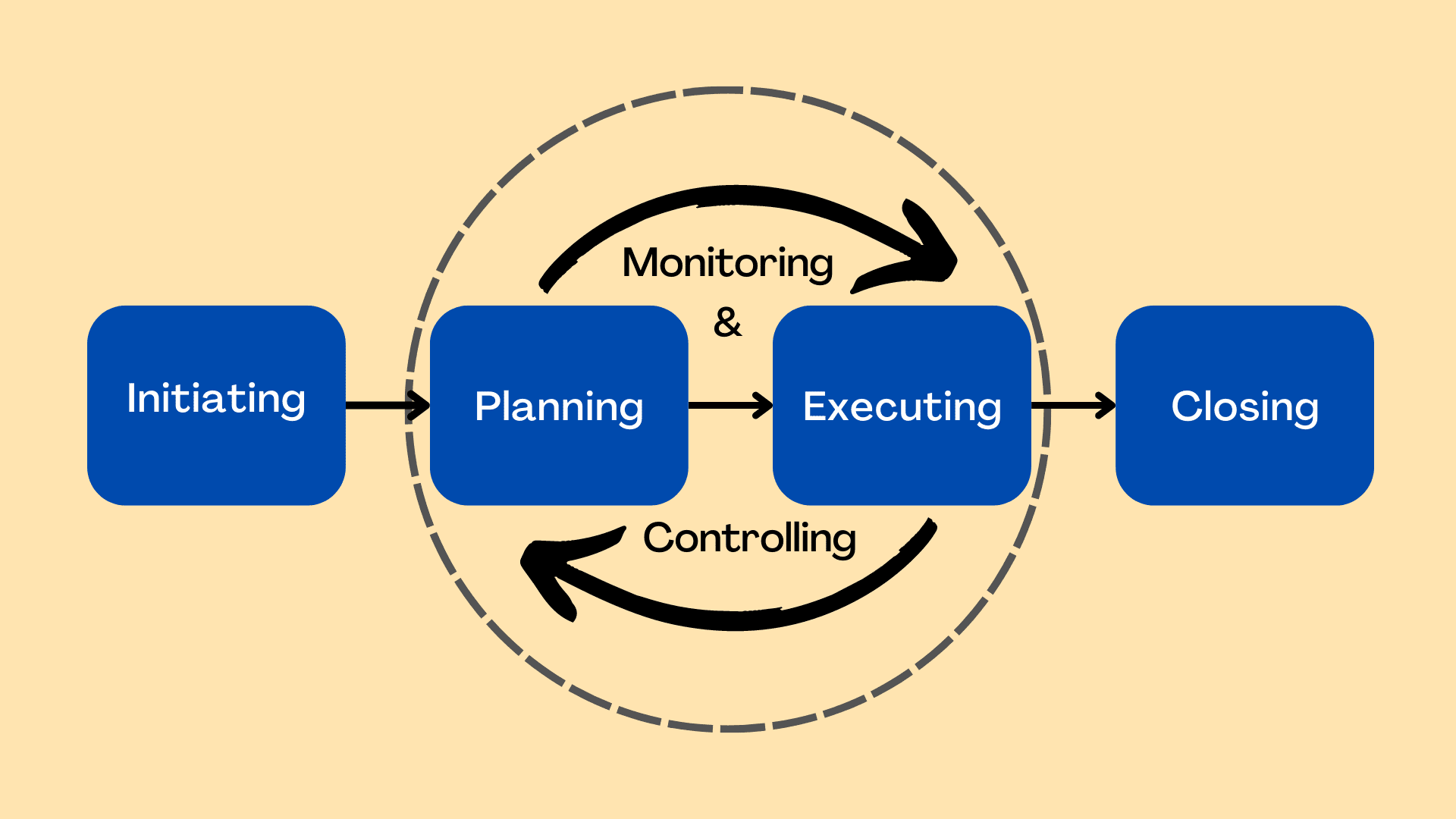
Customer Journey Optimization Through Process Marketing
Process marketing transforms customer interactions into structured, measurable workflows by aligning operational efficiency with user experience. Unlike traditional marketing, which often focuses on campaigns or ad spend, process marketing emphasizes systematic touchpoint optimization—identifying inefficiencies, automating repetitive tasks, and dynamically adapting to customer behavior. By mapping the end-to-end journey, businesses can reduce friction, accelerate conversions, and enhance retention through data-driven process automation. This approach leverages tools like customer journey mapping software (e.g., HubSpot, Pendo), AI-driven chatbots (e.g., Intercom, Drift), and workflow automation platforms (e.g., Zapier, Make) to create seamless, personalized experiences at scale.The core of this strategy lies in friction point elimination—pinpointing where customers drop off, hesitate, or disengage—and replacing manual interventions with automated triggers. For example, a B2B SaaS company might automate lead qualification by integrating CRM data with email nurturing workflows, while a B2C e-commerce brand could use post-purchase workflows to trigger loyalty program enrollments. Below, we outline a structured methodology for journey optimization, tailored touchpoint enhancements, and underutilized levers that drive measurable improvements in engagement and churn reduction.
Mapping the Customer Journey Using Process Marketing Techniques
Customer journey mapping in a process-driven framework begins with segmentation by behavior, not just demographics, to uncover hidden pain points. Unlike traditional journey maps that focus on linear stages (awareness → consideration → decision), process marketing maps non-linear paths—including re-engagement loops, support escalations, and post-purchase interactions. The key steps involve:1. Data Collection and Segmentation
Aggregate data from CRM, marketing automation, support tickets, and analytics tools (e.g., Google Analytics 4, Adobe Analytics) to identify high-friction segments. For instance, a retail brand might discover that 40% of cart abandoners revisit the site within 72 hours but drop off at the checkout due to unexpected shipping costs. This insight triggers a process automation where abandoned cart emails include dynamic discount codes tied to real-time inventory data.
2. Touchpoint Auditing
Evaluate each interaction (e.g., landing pages, chatbot responses, email sequences) for process gaps:
3. Friction Point Identification
Prioritize pain points using quantitative metrics (e.g., bounce rates, time-to-conversion) and qualitative feedback (e.g., survey responses, NPS scores). Tools like Hotjar or FullStory can visualize user behavior to reveal micro-frictions, such as:
4. Process Automation Blueprint
Design workflows to eliminate repetitive tasks while maintaining personalization. For example:
Step-by-Step Guide to Optimizing Touchpoints
Process marketing optimizes touchpoints by coupling human-centric design with automation. Below is a structured approach to refining key stages of the journey:1. Lead Capture Optimization
Context: 68% of B2B leads never convert because they’re not engaged within the first 24 hours (Marketing Donut, 2023). Process marketing addresses this by automating qualification and response times.
- Step 1: Streamline Form Design
Reduce friction by using progressive forms (e.g., only ask for email first, then additional details post-submission). Tools like Typeform or JotForm can auto-populate fields from LinkedIn or CRM data.
Example: A SaaS company cuts form abandonment by 30% by replacing a 10-field form with a single-field "Tell us your biggest challenge" followed by dynamic follow-up questions.
- Step 2: Instant Response Triggers
Deploy AI chatbots (e.g., Drift, ManyChat) to qualify leads in real time. If a visitor asks about pricing, the bot can:
- Step 3: Automated Segmentation
Use workflow triggers (e.g., ActiveCampaign, Marketo) to segment leads based on behavior:
2. Nurturing and Engagement
Context: 79% of marketing leads never convert because they’re not nurtured properly (HubSpot). Process marketing automates contextual engagement using behavioral data.
- Dynamic Email Campaigns
Replace static email sequences with AI-driven personalization (e.g., Pardot, Klaviyo). Example:
- Multi-Channel Orchestration
Combine email, SMS, and push notifications in a unified workflow. For example:
3. Conversion and Handoffs
Context: 50% of sales opportunities are lost due to poor handoffs between marketing and sales (Forrester). Process marketing standardizes handoffs with automated checklists.
- Lead Scoring Automation
Use predictive lead scoring (e.g., MadKudu, Lattice Engines) to prioritize leads based on:
- CRM-Triggered Workflows
When a lead reaches a high score, automate:
4. Post-Purchase and Retention
Context: Increasing customer retention by 5% can boost profits by 25–95% (Bain & Company). Process marketing focuses on proactive engagement post-conversion.
- Onboarding Automation
Use interactive checklists (e.g., UserGuiding, Appcues) to guide users through product setup. Example:
- Churn Prediction Workflows
Monitor usage patterns (e.g., login frequency, feature adoption) to predict churn. Tools like Totango or ChurnZero can:
Automation and Workflow Integration in Process Marketing
Process marketing relies on structured workflows to ensure consistency, scalability, and measurable outcomes. Automation eliminates repetitive tasks, reduces human error, and accelerates execution by integrating disparate tools and systems into cohesive pipelines. Effective integration of marketing automation with sales and customer support processes bridges gaps between departments, aligns KPIs, and enhances the customer experience through real-time data synchronization. This section explores essential automation tools, integration methodologies, common bottlenecks, and workflow auditing techniques to optimize process marketing efficiency.
Essential Automation Tools and Their Applications in Process Marketing Workflows
Automation tools streamline repetitive tasks while enabling data-driven decision-making. Below is a categorized checklist of widely adopted platforms, their primary functions, and specific use cases in process marketing.Automation tools are categorized by their core functionality to highlight their role in process marketing:
Key Consideration: Select tools based on compatibility with existing tech stacks, scalability, and API accessibility for seamless integrations.
Integration of Marketing Automation with Sales and Customer Support Processes
Seamless integration between marketing, sales, and support ensures a unified customer experience and eliminates data fragmentation. Below are structured approaches to achieve this, including technical configurations and best practices.API-Based Integrations:
APIs serve as the backbone for connecting tools, enabling real-time data synchronization. Common integration scenarios include:
Best Practice: Use webhooks for event-driven triggers (e.g., "new lead created" → "send welcome email") and batch APIs for large data exports (e.g., monthly customer segmentation updates).
Third-Party Tool Configurations:
Tools like Zapier or Integromat abstract API complexity by offering no-code/low-code connectors. Example workflows:
1. Lead Capture to CRM:
Data Mapping and Field Alignment:
Ensure consistency by aligning critical fields (e.g., "Lead Source," "Customer Tier") across tools. Use a shared data dictionary to define:
Common Automation Bottlenecks and Solutions
Inefficiencies in automated workflows often stem from misaligned systems, poor data hygiene, or lack of governance. The table below identifies frequent bottlenecks, their root causes, and actionable fixes.
Bottleneck
Root Cause
Solution/Process Fix
Data Silos
Disconnected tools or manual data entry create inconsistencies (e.g., duplicate leads, outdated records).
Misaligned KPIs
Marketing, sales, and support teams measure success differently, leading to conflicting automation priorities.
Over-Automation
Excessive triggers or complex logic increase maintenance overhead and reduce agility.
Lack of Error Handling
Failed API calls or invalid data inputs disrupt workflows without alerts.
Data-Driven Decision Making in Process Marketing
Process marketing thrives on measurable efficiency, where every interaction, workflow, and customer touchpoint generates actionable data. By systematically collecting and analyzing process-related metrics—such as time-to-conversion, team response times, and workflow bottlenecks—marketers can refine strategies to optimize resource allocation, reduce friction, and enhance customer experiences. Data-driven adjustments ensure that process improvements are not speculative but rooted in empirical evidence, directly correlating operational changes with business outcomes.The foundation of this approach lies in transforming qualitative observations into quantifiable insights. Process marketing data spans operational metrics (e.g., lead velocity, approval delays) and customer-centric KPIs (e.g., churn rates, engagement drop-offs). When integrated with predictive and real-time analytics, these metrics enable proactive strategy pivots rather than reactive fixes. Below, the methodology for data collection, dashboard design, A/B testing, and the comparative use of predictive vs. real-time analytics is outlined, followed by a case study demonstrating tangible impact from data-informed process changes.
Collecting and Analyzing Process Marketing Data
Process marketing data is categorized into three primary layers: operational efficiency, customer journey performance, and financial impact. Operational data includes internal workflow metrics such as:
Customer journey data focuses on behavioral signals:
Financial data bridges operational and customer metrics to assess ROI:
Data collection methods vary by source:
Analysis techniques include:
Process Marketing Dashboard Template
A centralized dashboard consolidates KPIs into actionable visualizations, enabling real-time monitoring and cross-functional alignment. Below is a structured template with key metrics organized by focus area. Dashboards should be customizable by role (e.g., marketers vs. operations teams) and updated in real-time or near-real-time.Operational Efficiency
Customer Journey Performance
Financial Impact
Metric
Target/Actual
Metric
Target/Actual
Metric
Target/Actual
Average Time-to-First Response
Target: <1 hour | Actual: 1.5 hours ⚠️
Lead-to-Customer Conversion Rate
Target: 15% | Actual: 12% ⚠️
Cost per Lead (CPL)
Target: $25 | Actual: $32 ⚠️
Workflow Completion Rate
Target: 95% | Actual: 88% ⚠️
Customer Churn Rate (Process-Related)
Target: <5% | Actual: 7% ⚠️
Customer Lifetime Value (CLV)
Target: $1,200 | Actual: $950 ⚠️
Approval Chain Delay
Target: <24 hours | Actual: 48 hours ⚠️
Email Open Rate (Process Triggers)
Target: 40% | Actual: 32% ⚠️
Process Automation ROI
Target: 30% savings | Actual: 22% savings ⚠️
Task Completion Time (Team)
Target: <30 mins | Actual: 45 mins ⚠️
Session Abandonment Rate (Onboarding)
Target: <10% | Actual: 18% ⚠️
Lead Velocity Rate (LVR)
Target: 20% MoM growth | Actual: 12% ⚠️
Notes:
Dashboard Design Principles:
Scaling Process Marketing Across Teams and Channels
Process marketing strategies thrive on alignment, scalability, and adaptability—particularly when deployed across fragmented teams and diverse channels. A unified approach ensures seamless execution, measurable impact, and sustained growth, while addressing operational challenges like siloed workflows, regional nuances, and cross-functional dependencies. Scaling requires a structured framework that integrates marketing, sales, and customer success teams under a cohesive strategy, supported by standardized procedures, channel-specific tactics, and global adaptability.The foundation of scalable process marketing lies in interdepartmental synergy, where each team contributes to a shared objective while maintaining role-specific accountability. This alignment is achieved through clear KPIs, documented workflows, and cross-channel optimization, ensuring consistency regardless of team size or geographic distribution. Below, the framework outlines tactical execution, channel mapping, global scalability, and procedural standardization to create a replicable and adaptable system.
Framework for Aligning Marketing, Sales, and Customer Success Teams
A unified process marketing strategy requires role-specific KPIs that reflect both individual and collective goals, ensuring all teams contribute to lead generation, conversion, and retention. The framework leverages shared metrics (e.g., customer lifetime value, lead-to-customer ratio) while maintaining distinct operational KPIs for each department.Key components of the alignment framework:
Shared Objectives:
A unified process marketing strategy succeeds when teams operate as an ecosystem—each optimizing their segment while contributing to the overarching customer experience.
Channel-Specific Process Marketing Tactics and Workflow Optimization
Process marketing tactics must adapt to the unique strengths of each channel while maintaining consistency in messaging, timing, and personalization. Below is a 4-column table mapping tactics to channels (email, social media, paid ads, and SEO/content), along with optimized workflow examples for each.
Channel
Process Marketing Tactic
Optimized Workflow
Key Performance Indicator (KPI)
Email
Segmented Drip Campaigns
Open rate >30%, click-through rate (CTR) >5%, conversion rate >3%.
Post-Purchase Upsell Sequences
Upsell conversion rate >15%, average order value (AOV) increase >10%.
Re-Engagement Campaigns
Re-engagement rate >20%, reduced churn by >10%.
Social Media
Community-Driven Content Hubs
Follower growth rate >10% MoM, UGC volume >50 posts/month, engagement rate >5%.
Retargeting Ads with Dynamic Creative
Cost per acquisition (CPA) <$50, retargeting conversion rate >8%.
Influencer and Advocacy Programs
Influencer-driven conversions >25% of total social sales, advocate retention rate >70%.
Process marketing strategy is not merely an evolution of traditional marketing—it is a paradigm shift that redefines how businesses engage customers, optimize resources, and drive growth. By integrating automation, data-driven decision-making, and cross-channel workflows, organizations can turn complex processes into competitive advantages. The key lies in continuous refinement: auditing inefficiencies, testing workflow variations, and scaling proven tactics across teams. As markets grow more dynamic, those who embed process marketing into their DNA will not only survive but thrive, delivering consistent results in an era where agility and precision are non-negotiable.
Automation and Workflow Integration in Process Marketing
Process marketing relies on structured workflows to ensure consistency, scalability, and measurable outcomes. Automation eliminates repetitive tasks, reduces human error, and accelerates execution by integrating disparate tools and systems into cohesive pipelines. Effective integration of marketing automation with sales and customer support processes bridges gaps between departments, aligns KPIs, and enhances the customer experience through real-time data synchronization. This section explores essential automation tools, integration methodologies, common bottlenecks, and workflow auditing techniques to optimize process marketing efficiency.Essential Automation Tools and Their Applications in Process Marketing Workflows
Automation tools streamline repetitive tasks while enabling data-driven decision-making. Below is a categorized checklist of widely adopted platforms, their primary functions, and specific use cases in process marketing.Automation tools are categorized by their core functionality to highlight their role in process marketing:
Key Consideration: Select tools based on compatibility with existing tech stacks, scalability, and API accessibility for seamless integrations.
Integration of Marketing Automation with Sales and Customer Support Processes
Seamless integration between marketing, sales, and support ensures a unified customer experience and eliminates data fragmentation. Below are structured approaches to achieve this, including technical configurations and best practices.API-Based Integrations:
APIs serve as the backbone for connecting tools, enabling real-time data synchronization. Common integration scenarios include:
Best Practice: Use webhooks for event-driven triggers (e.g., "new lead created" → "send welcome email") and batch APIs for large data exports (e.g., monthly customer segmentation updates).Third-Party Tool Configurations:
Tools like Zapier or Integromat abstract API complexity by offering no-code/low-code connectors. Example workflows:
1. Lead Capture to CRM:
Data Mapping and Field Alignment:
Ensure consistency by aligning critical fields (e.g., "Lead Source," "Customer Tier") across tools. Use a shared data dictionary to define:
Common Automation Bottlenecks and Solutions
Inefficiencies in automated workflows often stem from misaligned systems, poor data hygiene, or lack of governance. The table below identifies frequent bottlenecks, their root causes, and actionable fixes.| Bottleneck | Root Cause | Solution/Process Fix | ||||||||||||||||||||||||||||||||||||||||||||||||||||||||||||||||||
|---|---|---|---|---|---|---|---|---|---|---|---|---|---|---|---|---|---|---|---|---|---|---|---|---|---|---|---|---|---|---|---|---|---|---|---|---|---|---|---|---|---|---|---|---|---|---|---|---|---|---|---|---|---|---|---|---|---|---|---|---|---|---|---|---|---|---|---|---|
| Data Silos | Disconnected tools or manual data entry create inconsistencies (e.g., duplicate leads, outdated records). | |||||||||||||||||||||||||||||||||||||||||||||||||||||||||||||||||||
| Misaligned KPIs | Marketing, sales, and support teams measure success differently, leading to conflicting automation priorities. | |||||||||||||||||||||||||||||||||||||||||||||||||||||||||||||||||||
| Over-Automation | Excessive triggers or complex logic increase maintenance overhead and reduce agility. | |||||||||||||||||||||||||||||||||||||||||||||||||||||||||||||||||||
| Lack of Error Handling | Failed API calls or invalid data inputs disrupt workflows without alerts.
Data-Driven Decision Making in Process MarketingProcess marketing thrives on measurable efficiency, where every interaction, workflow, and customer touchpoint generates actionable data. By systematically collecting and analyzing process-related metrics—such as time-to-conversion, team response times, and workflow bottlenecks—marketers can refine strategies to optimize resource allocation, reduce friction, and enhance customer experiences. Data-driven adjustments ensure that process improvements are not speculative but rooted in empirical evidence, directly correlating operational changes with business outcomes.The foundation of this approach lies in transforming qualitative observations into quantifiable insights. Process marketing data spans operational metrics (e.g., lead velocity, approval delays) and customer-centric KPIs (e.g., churn rates, engagement drop-offs). When integrated with predictive and real-time analytics, these metrics enable proactive strategy pivots rather than reactive fixes. Below, the methodology for data collection, dashboard design, A/B testing, and the comparative use of predictive vs. real-time analytics is outlined, followed by a case study demonstrating tangible impact from data-informed process changes. Collecting and Analyzing Process Marketing DataProcess marketing data is categorized into three primary layers: operational efficiency, customer journey performance, and financial impact. Operational data includes internal workflow metrics such as:Customer journey data focuses on behavioral signals: Financial data bridges operational and customer metrics to assess ROI: Data collection methods vary by source: Analysis techniques include: Process Marketing Dashboard TemplateA centralized dashboard consolidates KPIs into actionable visualizations, enabling real-time monitoring and cross-functional alignment. Below is a structured template with key metrics organized by focus area. Dashboards should be customizable by role (e.g., marketers vs. operations teams) and updated in real-time or near-real-time.
Scaling Process Marketing Across Teams and ChannelsProcess marketing strategies thrive on alignment, scalability, and adaptability—particularly when deployed across fragmented teams and diverse channels. A unified approach ensures seamless execution, measurable impact, and sustained growth, while addressing operational challenges like siloed workflows, regional nuances, and cross-functional dependencies. Scaling requires a structured framework that integrates marketing, sales, and customer success teams under a cohesive strategy, supported by standardized procedures, channel-specific tactics, and global adaptability.The foundation of scalable process marketing lies in interdepartmental synergy, where each team contributes to a shared objective while maintaining role-specific accountability. This alignment is achieved through clear KPIs, documented workflows, and cross-channel optimization, ensuring consistency regardless of team size or geographic distribution. Below, the framework outlines tactical execution, channel mapping, global scalability, and procedural standardization to create a replicable and adaptable system. Framework for Aligning Marketing, Sales, and Customer Success TeamsA unified process marketing strategy requires role-specific KPIs that reflect both individual and collective goals, ensuring all teams contribute to lead generation, conversion, and retention. The framework leverages shared metrics (e.g., customer lifetime value, lead-to-customer ratio) while maintaining distinct operational KPIs for each department.Key components of the alignment framework: Shared Objectives: A unified process marketing strategy succeeds when teams operate as an ecosystem—each optimizing their segment while contributing to the overarching customer experience. Channel-Specific Process Marketing Tactics and Workflow OptimizationProcess marketing tactics must adapt to the unique strengths of each channel while maintaining consistency in messaging, timing, and personalization. Below is a 4-column table mapping tactics to channels (email, social media, paid ads, and SEO/content), along with optimized workflow examples for each.
| |||||||||||||||||||||||||||||||||||||||||||||||||||||||||||||||||||
Leave a Comment
Comments are moderated before appearing. The data you submit is processed according to the Privacy Policy of viralcontentbee.com.