Manufacture Vs Production Key Differences In Industrial Operations

Table of Contents
- Core Definitions and Scope of Manufacture and Production
- Precise Definitions and Industrial Roles
- Structured Comparison of Manufacture and Production
- Historical Evolution of Manufacture and Production
- Academic and Standardized Definitions
- Process Breakdown: Steps and Workflows in Manufacture vs. Production
- Sequential Stages in Manufacture and Production Workflows
- Scaling Processes: Batch Sizing, Inventory, and Labor Allocation
- Industry Applications and Case Studies: Distinguishing Manufacture and Production
- Key Industries Where Manufacture and Production Differ Significantly
- Case Study 1: Custom Machine Shop (Manufacture) – Precision Components for Medical Devices
- Case Study 2: Electronics Assembly Line (Production) – Smartphone PCB Manufacturing
- Technology and Automation Integration in Manufacture vs. Production
- Automation in Manufacture: Precision Engineering and Prototyping
- Automation in Production: Scalability and Process Optimization
- Software Tools: Design Iteration vs. Operational Efficiency
- Hardware Differences: Machinery in Manufacture vs. Production
- Quality Control and Compliance in Manufacture vs. Production
- Quality Assurance Protocols in Manufacture
- Quality Assurance Protocols in Production
- Traceability Systems in Manufacture vs. Production
- Compliance Documentation Requirements
- Regulatory and Industry-Specific Compliance Approaches
The distinction between manufacture and production represents a foundational divide in industrial operations, shaping workflows, compliance standards, and technological adoption across sectors. While both terms are frequently used interchangeably, their precise definitions reveal critical differences in scope, regulatory requirements, and operational execution. Manufacture encompasses the creation of prototypes, custom components, and low-volume outputs, often driven by design iteration and precision engineering. In contrast, production focuses on scalable, high-volume output with emphasis on efficiency, automation, and standardized processes. Understanding these differences is essential for optimizing resource allocation, ensuring regulatory adherence, and leveraging technology to enhance competitiveness in dynamic markets.
Historically, the evolution of these terms reflects broader shifts in industrialization, from pre-industrial craftsmanship to modern mass production. Academic frameworks, such as ISO standards and engineering textbooks, further delineate their roles, emphasizing manufacture as a phase of development and production as the execution of validated processes. This dichotomy extends to industry-specific applications, where sectors like aerospace and pharmaceuticals demand rigorous manufacture protocols, while automotive and electronics rely on streamlined production workflows. By examining these contrasts—through structured comparisons, case studies, and regulatory insights—organizations can align their operations with operational excellence and compliance demands.
Core Definitions and Scope of Manufacture and Production
The distinction between manufacture and production lies in their operational scope, regulatory implications, and historical development within industrial systems. While both terms describe the transformation of raw materials into finished goods, their definitions vary across legal frameworks, engineering standards, and sector-specific applications. Manufacture typically emphasizes the assembly, fabrication, or processing of components into tangible products, often governed by strict compliance requirements. Production, conversely, encompasses broader activities, including planning, resource allocation, and quality control, extending beyond physical transformation to encompass logistical and operational workflows.
The evolution of these terms reflects shifts from pre-industrial craftsmanship to modern mass-production paradigms, where automation, supply chain integration, and regulatory oversight have redefined their boundaries. Academic and standardized definitions further clarify their roles, particularly in contexts where precision—such as in pharmaceuticals or aerospace—dictates adherence to formalized protocols.
Precise Definitions and Industrial Roles
Manufacture refers to the physical creation or assembly of products from raw materials or intermediate components, often involving machining, welding, molding, or chemical synthesis. It is a core operational function in industries such as automotive, electronics, and heavy machinery, where the transformation of materials into usable goods is the primary focus. Legally, manufacture is frequently tied to licensing, safety standards, and environmental regulations, particularly in sectors where product integrity directly impacts public safety (e.g., medical devices, food processing).Production, by contrast, is a broader concept that includes all activities required to deliver a finished product, from procurement and inventory management to packaging and distribution. It integrates planning, scheduling, and quality assurance, extending beyond the factory floor to encompass supply chain logistics and customer fulfillment. In regulatory contexts, production often aligns with ISO 9001 quality management systems or Lean Manufacturing principles, emphasizing process efficiency and continuous improvement.
Structured Comparison of Manufacture and Production
The following table summarizes key distinctions between the two terms across industrial, operational, and regulatory dimensions:| Term | Industry Role | Key Activities | Regulatory Context |
|---|---|---|---|
| Manufacture | Core transformation phase; directly tied to physical output. |
|
|
| Production | End-to-end process management; encompasses planning and delivery. |
|
|
Historical Evolution of Manufacture and Production
The distinction between manufacture and production emerged alongside industrialization, transitioning from artisan-based craftsmanship to scaled, mechanized systems. In pre-industrial societies, manufacture was synonymous with handcrafted production, where skilled laborers produced goods tailored to local demand. The advent of the Industrial Revolution (18th–19th centuries) introduced division of labor (e.g., Adam Smith’s Wealth of Nations), separating design, fabrication, and assembly into distinct phases.In the 20th century, production evolved into a systematic discipline with the rise of:
Modern production now integrates digital twins, AI-driven predictive maintenance, and Industry 4.0 technologies, blurring the line between manufacture and production while emphasizing data-driven decision-making. Meanwhile, manufacture remains a tactile, compliance-heavy function, particularly in regulated industries where traceability and reproducibility are critical.
Academic and Standardized Definitions
Standardized bodies and engineering texts provide authoritative definitions that clarify the scope of each term:ISO 9000:2015 defines production as:Citations:
> "The realization of a product, from raw material identification to delivery to the customer, including all processes in between." This encompasses design, procurement, manufacturing, and service activities, reflecting its holistic nature.ISO 13485:2016 (Medical Devices) specifies manufacturing as:
> "The series of processes that transform raw materials into a finished product, including assembly, testing, packaging, and sterilization." Here, manufacture is process-specific, with strict documentation requirements for each step.Engineering Textbooks (e.g., Modern Manufacturing Engineering by Mikell P. Groover) differentiate the terms as follows:
> "Manufacturing is the physical transformation of materials into components or products, while production is the management of resources to achieve desired output levels, quality, and delivery timelines." This aligns with operational frameworks where manufacture is a subset of production, governed by distinct technical and regulatory constraints.
Process Breakdown: Steps and Workflows in Manufacture vs. Production
The transition from manufacture to production represents a critical evolution in industrial operations, where initial prototyping and bespoke fabrication give way to standardized, high-volume output. While both processes share foundational stages—such as material sourcing and assembly—their execution, scale, and optimization strategies diverge significantly. Manufacture emphasizes flexibility, precision, and iterative refinement, whereas production prioritizes efficiency, cost reduction, and adherence to mass-market demands. Understanding these workflow distinctions is essential for industries ranging from automotive to electronics, where misalignment between stages can lead to delays, quality inconsistencies, or unsustainable resource allocation.The following sections dissect the sequential stages of each process, highlight unique procedures, and compare scaling methodologies. A structured side-by-side analysis further clarifies how industries adapt these workflows to their operational needs.
Sequential Stages in Manufacture and Production Workflows
The workflows for manufacture and production, though overlapping in core activities, differ in complexity, adaptability, and resource intensity. Manufacture operates in a low-volume, high-variability environment, where each stage is tailored to customization, testing, and iterative improvement. Production, conversely, standardizes these stages to achieve repeatability, speed, and economies of scale. Below are the key stages, organized hierarchically to reflect their interdependencies.Raw Material Handling and Preparation
Manufacture and production both begin with material acquisition, but their approaches vary in scope and rigor. In manufacture, raw materials may undergo selective sourcing based on prototype requirements, with emphasis on material compatibility testing and small-batch validation. Production, however, implements bulk procurement strategies, leveraging long-term supplier contracts to secure consistent quality and pricing. Inventory systems in production are designed for just-in-time (JIT) delivery or large-scale warehousing, depending on demand forecasting, whereas manufacture relies on agile inventory to accommodate design changes.
Design and Prototyping (Unique to Manufacture)
"Prototyping is the bridge between conceptualization and manufacturability, where iterative testing refines both form and function."This stage is absent in traditional production but critical in manufacture. It involves:
Tooling and Equipment Setup
While both processes require tooling, manufacture focuses on custom, flexible tooling that can adapt to design iterations. Examples include:
Assembly and Fabrication
Assembly processes in manufacture are labor-intensive and manually adjusted, with workers performing tasks such as:
Quality Control and Testing
Quality assurance (QA) in manufacture is destructive and iterative, with tests designed to validate prototypes. Methods include:
Packaging and Distribution
Manufacture packaging is customized and often manual, tailored to unique product dimensions or fragility (e.g., hand-wrapped artisanal goods). Production packaging, however, emphasizes:
Post-Production Analysis (Unique to Manufacture)
Manufacture includes a retrospective analysis stage to document lessons learned, such as:
Scaling Processes: Batch Sizing, Inventory, and Labor Allocation
The transition from manufacture to production necessitates adjustments in batch sizing, inventory management, and labor allocation to accommodate economies of scale. These differences are rooted in the need to balance flexibility (manufacture) with efficiency (production).Batch Sizing and Production Runs
Manufacture operates in small, variable batches, often with lot sizes of 1–100 units, to accommodate customization. Production, however, leverages large, fixed batches (e.g., 10,000+ units) to minimize setup costs and maximize throughput. The Economic Order Quantity (EOQ) model, defined as:
EOQ = √((2DS)/H)is frequently applied in production to optimize batch sizes. For example, automotive manufacturers may produce 20,000 units of a single model before transitioning to the next variant, whereas a custom furniture maker may produce 5 units per design to meet client orders.
Where:
D = Annual demand S = Ordering cost H = Holding cost
Inventory Management Strategies
Manufacture relies on just-in-case (JIC) inventory, maintaining buffer stocks of critical materials to mitigate delays in custom fabrication. Production, however, adopts just-in-time (JIT) inventory, reducing holding costs by up to 30% (source: APICS, 2020). Key differences include:
Labor Allocation and Skill Requirements
Manufacture employs a multiskilled workforce, where employees handle diverse tasks across the value chain. Roles may include:
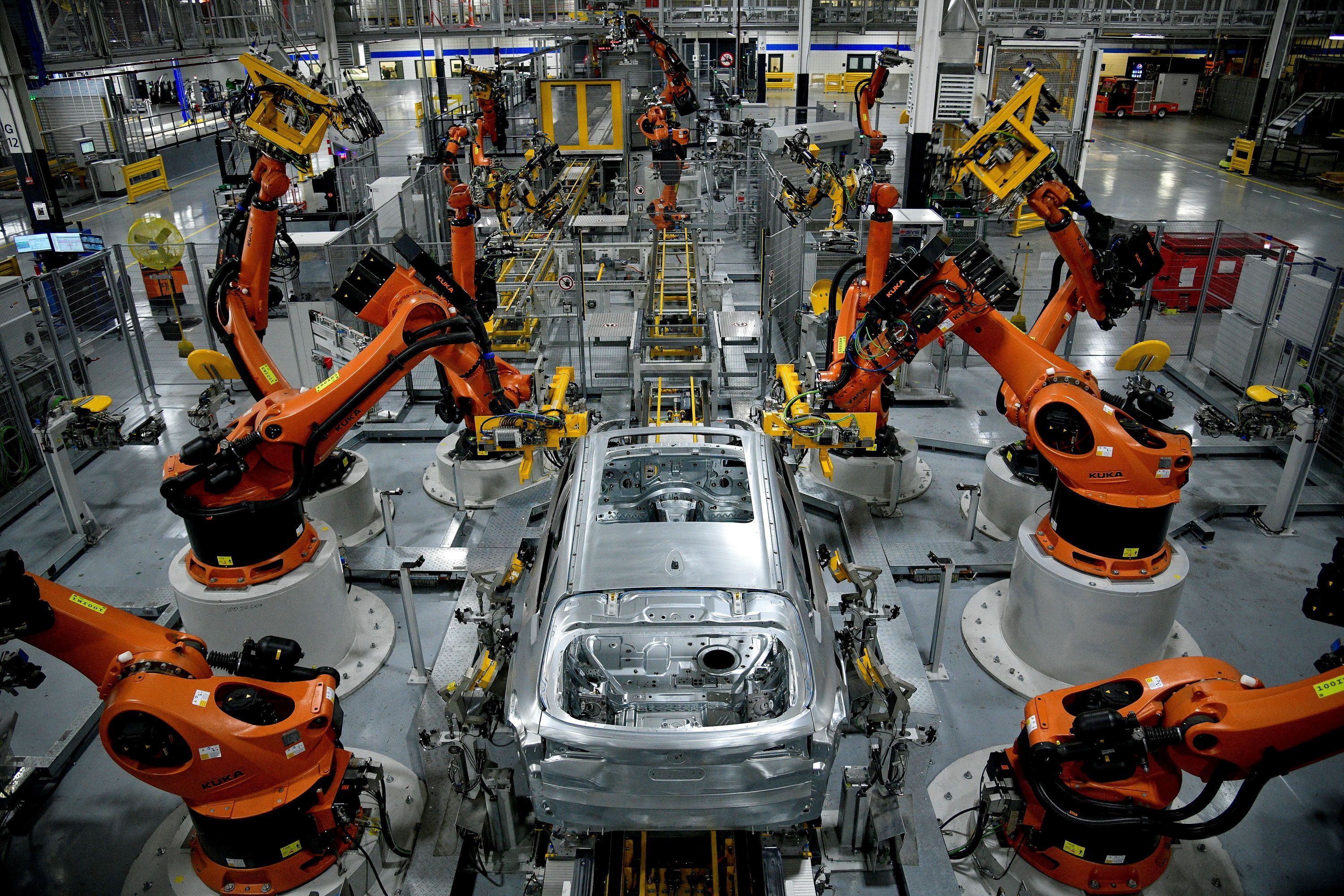
Industry Applications and Case Studies: Distinguishing Manufacture and Production
The distinction between manufacture and production becomes most evident in industries where precision, regulatory compliance, and workflow complexity demand specialized approaches. While both terms involve the creation of goods, their applications vary significantly based on customization requirements, scalability, and adherence to industry-specific standards. Below, three industries—aerospace, pharmaceuticals, and automotive—are analyzed for their divergent roles in manufacture and production, followed by case studies and regulatory considerations.Key Industries Where Manufacture and Production Differ Significantly
Industries with high-value, low-volume outputs (e.g., aerospace components) rely heavily on manufacture, emphasizing bespoke fabrication, material science, and iterative prototyping. Conversely, industries with high-volume, standardized outputs (e.g., electronics assembly) prioritize production, focusing on automation, supply chain efficiency, and mass replication. The following table summarizes these distinctions across three critical sectors:| Industry | Manufacture Role | Production Role | Key Challenge |
|---|---|---|---|
| Aerospace |
|
|
Balancing material waste reduction (e.g., 90%+ yield rates for titanium machining) with supply chain resilience against geopolitical disruptions (e.g., semiconductor shortages for avionics). |
| Pharmaceuticals |
|
|
Ensuring process consistency in sterile environments (e.g., ISO Class 5 cleanrooms) while meeting expiry date compliance for perishable biologics (e.g., mRNA vaccines). |
| Automotive |
|
|
Reducing defect rates (target: <300 ppm) while adapting to electrification trends (e.g., battery cell production scaling from 100s to 100,000s of units/year). |
Case Study 1: Custom Machine Shop (Manufacture) – Precision Components for Medical Devices
A specialized machine shop in Cleveland, Ohio, operates under AS9100 and ISO 13485 certifications to produce titanium surgical implants. The workflow diverges from mass production in the following ways:- Design Collaboration:
The shop receives CAD files from a medical device manufacturer (e.g., a spinal fusion hardware supplier) with tolerances as tight as ±0.005 mm. Engineers conduct finite element analysis (FEA) to optimize part geometry for stress distribution before machining.
- Material Handling:
Titanium Grade 5 (Ti-6Al-4V) bars are inspected for ultrasonic flaws before being loaded into a 5-axis CNC mill with a high-pressure coolant system to prevent thermal distortion. Each batch is traceable via serialized lot numbers tied to supplier certificates.
- Post-Processing:
Parts undergo electropolishing to remove machining marks and passivation to ensure biocompatibility. A coordinate measuring machine (CMM) verifies dimensions against the first article inspection (FAI) report, with deviations logged in a CAPA (Corrective and Preventive Action) database.
- Regulatory Documentation:
The shop submits Device Master Records (DMR) to the FDA, including:
Key Difference from Production:
Unlike an assembly line producing identical implants, this shop’s output is one-of-a-kind or low-volume, with each part requiring unique validation documentation. The lead time for a custom order is 4–8 weeks, compared to minutes per unit in a production setting.
Case Study 2: Electronics Assembly Line (Production) – Smartphone PCB Manufacturing
A contract manufacturer in Shenzhen, China, assembles 10,000 smartphones daily using a Surface Mount Technology (SMT) line. The production workflow prioritizes scalability and defect reduction, contrasting with manufacture’s bespoke approach:- Component Procurement:
Passive components (resistors, capacitors) are sourced in bulk from suppliers like Yageo or Murata, with statistical process control (SPC) charts tracking incoming quality. Active components (ICs) are automatically fed via tape-and-reel systems to prevent static damage.
- Automated Assembly:
The line uses a pick-and-place machine (e.g., Siemens SP2) to place 0201-sized chips with ±0.05 mm accuracy. A reflow oven soldering pastes components at 260°C, followed by automated optical inspection (AOI) to detect bridging or missing parts.
- Testing and Packaging:
Functional tests (e.g., touchscreen calibration, Wi-Fi connectivity) are performed via automated test equipment (ATE). Defective units are scrapped or reworked in a dedicated station with real-time data logged to MES (Manufacturing Execution System).
- Regulatory Compliance:
The facility adheres to IPC-A-610 for solder joint acceptance and RoHS compliance for lead-free materials. OSHA 1910.269 mandates
Technology and Automation Integration in Manufacture vs. Production
Automation and technology integration fundamentally reshape the operational paradigms of manufacture and production, each serving distinct yet complementary roles in the industrial ecosystem. While manufacture emphasizes precision engineering, material transformation, and prototype development, production prioritizes scalability, efficiency, and real-time process optimization. The hardware, software, and automation strategies deployed in these domains reflect their core objectives—manufacture leverages flexible, high-precision tools for iterative design refinement, whereas production relies on rigid, high-throughput systems for consistent output. This section explores the technological distinctions, hardware configurations, and software applications that define automation’s role in each context, supported by industry-specific examples and hypothetical tech stacks.
Automation in Manufacture: Precision Engineering and Prototyping
Automation in manufacture is characterized by its adaptability to customization, rapid iteration, and material innovation. The primary focus lies in transforming raw materials or digital designs into functional prototypes or small-batch components with minimal human intervention. Key automation technologies in this domain include computer numerical control (CNC) machining, additive manufacturing (3D printing), and robotic-assisted assembly for low-volume production. These systems excel in environments where design changes are frequent, tolerances are tight, and material properties must be experimentally validated.
Core automation applications in manufacture:
Automation in manufacture prioritizes flexibility, material experimentation, and design validation over throughput, with systems designed to handle small batch sizes, high complexity, and rapid reconfiguration.
Automation in Production: Scalability and Process Optimization
In production, automation is geared toward mass customization, just-in-time (JIT) manufacturing, and continuous improvement through data-driven decision-making. The hardware and software in this domain are optimized for high-speed, repetitive tasks with minimal variability, often integrated into lean manufacturing or Industry 4.0 frameworks. Key technologies include robotic assembly lines, automated guided vehicles (AGVs), AI-driven quality control, and predictive maintenance systems. The emphasis shifts from prototype development to consistent, high-volume output with minimal downtime.Core automation applications in production:
Automation in production focuses on throughput maximization, defect reduction, and real-time adaptability, with systems designed for high-volume, low-variability operations and integration into smart factory ecosystems.
Software Tools: Design Iteration vs. Operational Efficiency
The software ecosystem in manufacture and production diverges based on their primary objectives—design iteration and material science in manufacture, versus scheduling, resource allocation, and performance analytics in production. While manufacture relies on CAD/CAM and simulation tools, production emphasizes ERP, MES, and OEE (Overall Equipment Effectiveness) monitoring.Software applications in manufacture:
Software applications in production:
Software in manufacture supports creative problem-solving and iterative refinement, while production software focuses on operational visibility, compliance, and continuous improvement through data analytics.
Hardware Differences: Machinery in Manufacture vs. Production
The physical machinery deployed in manufacture and *Quality Control and Compliance in Manufacture vs. Production
Quality control and compliance form the backbone of operational integrity in industrial environments, ensuring adherence to standards, regulatory requirements, and customer expectations. While both manufacture and production prioritize quality, their approaches differ significantly due to the distinct phases of the value chain. Manufacture focuses on precision validation—verifying design intent through controlled testing and documentation—whereas production emphasizes process stability—maintaining consistency at scale through real-time monitoring and statistical methods. Compliance documentation further diverges, with manufacture relying on engineering-driven records (e.g., first-article inspections) and production leveraging operational logs (e.g., shift reports). Traceability systems also adapt to these phases, with manufacture employing serialized tracking for high-value or critical components and production utilizing batch-level coding for mass output.Quality Assurance Protocols in Manufacture
In the manufacture phase, quality assurance protocols are design-centric, ensuring that prototypes and initial production runs meet engineering specifications before full-scale deployment. These protocols are rigorous and often involve destructive or non-destructive testing to validate material properties, dimensional accuracy, and functional performance. Key methods include:- First-Article Inspections (FAI)
A formal verification process where the first physical representation of a component or assembly is inspected against engineering drawings, bills of materials (BOMs), and specifications. FAIs are critical in industries like aerospace and automotive, where deviations can lead to catastrophic failures.
First-Article Inspection Report (FAIR) must include signatures from design, manufacturing, and quality assurance teams to certify compliance with approved documentation.
- Material Certification and Traceability
Raw materials and subassemblies undergo certification testing (e.g., ASTM, ISO 9001) to confirm properties like tensile strength, chemical composition, or thermal conductivity. Traceability matrices link materials to suppliers, batch numbers, and test reports, ensuring accountability in high-stakes industries (e.g., medical devices, defense).
Quality Assurance Protocols in Production
Production environments shift focus to process stability, where quality control is statistical and continuous, aimed at detecting and correcting deviations before defects propagate. Unlike manufacture, production relies on real-time data and automated monitoring to maintain consistency across high-volume output. Key protocols include:- Statistical Process Control (SPC)
SPC uses control charts (e.g., X̄-R, CUSUM) to monitor process variability, with control limits set at ±3σ to flag anomalies. Industries like automotive (e.g., Toyota’s Jidoka system) and electronics (e.g., TSMC’s wafer fabrication) deploy SPC to reduce defects per million opportunities (DPMO).
A process is considered "in control" if 99.7% of data points fall within ±3σ limits, per Shewhart’s theory. Exceeding these limits triggers corrective actions (e.g., machine recalibration).
- Automated Visual and Dimensional Inspection
Machine vision systems (e.g., Cognex, Keyence) perform 100% inspection of components, detecting defects like cracks, misalignments, or surface imperfections. In semiconductor production, optical coherence tomography (OCT) verifies wafer layer integrity at sub-micron precision.
Traceability Systems in Manufacture vs. Production
Traceability systems enable end-to-end visibility of products, but their implementation differs based on the phase’s requirements. Manufacture prioritizes individual component tracking, while production emphasizes batch-level or lot-based traceability for scalability.- Manufacture: Serialized and Unique Identification
High-value or regulated components (e.g., implantable medical devices, aircraft parts) use serial numbers, QR codes, or RFID tags to track each unit’s history. For instance:
- Production: Batch and Lot Coding
Mass production relies on batch codes, expiration dates, or heat numbers to group identical units. Examples include:
Compliance Documentation Requirements
Compliance documentation serves as audit trails for regulatory bodies (e.g., FDA, ISO, IATF) and customers. Manufacture documentation is static and design-focused, while production records are dynamic and process-oriented.- Manufacture Documentation
- Production Documentation
Regulatory and Industry-Specific Compliance Approaches
The following table contrasts compliance approaches in manufacture vs. production across key industries, referencing applicable standards:| Aspect | Manufacture Method | Production Method | Regulatory Reference |
|---|---|---|---|
| Quality Verification | First-Article Inspections (FAI), destructive testing, tolerance analysis. | Statistical Process Control (SPC), real-time monitoring, automated inspection. | AS9100 (Aerospace), ISO 13485 (Medical), MIL-STD-45662 (Defense). |
| Traceability | Serialized tracking (RFID, QR codes), individual component logs. | Batch/lot coding, expiration dates, blockchain for supply chains. | FDA 21 CFR Part 11 (Electronic Records), EU MDR (Medical Devices), FSMA (Food). |
| Documentation | Engineering Change Orders (ECOs), Material Test Certificates (MTCs), FAIRs. | Shift reports, Process Capability Studies (Cp/Cpk), Non-Conformance Reports (NCRs). | ISO 9001 (QMS), IATF 16949 (Automotive), ISO 14001 (Environmental). |
| Compliance Audits | Design reviews, prototype validation, supplier audits. | Process audits, SPC data reviews, internal failure mode analysis. | IEC 62304 (Medical Software), AECMA Form 1 (Aerospace), FDA QSR (Medical Devices). |
The exploration of manufacture versus production underscores a strategic imperative for industries to clarify their operational paradigms and adapt to evolving technological and regulatory landscapes. Manufacture thrives on customization, precision, and iterative refinement, while production excels in scalability, automation, and process optimization. Both phases are indispensable, yet their distinct requirements necessitate tailored approaches in quality control, technology integration, and compliance documentation. As automation and AI reshape industrial workflows, the ability to differentiate between these terms will determine how efficiently organizations transition from development to mass output. By embracing these distinctions, stakeholders can enhance productivity, mitigate risks, and position their operations for sustained success in an increasingly complex manufacturing ecosystem.
Leave a Comment
Comments are moderated before appearing. The data you submit is processed according to the Privacy Policy of viralcontentbee.com.