Keywords Are Dead The End Of Traditional S E O Strategies
Table of Contents
- The Rise of Contextual Understanding in Content and Search
- Semantic Relevance Over Exact Keyword Matching
- Evolution of User Queries: From Rigid Keywords to Conversational Phrasing
- Topic Modeling as the New Organizational Framework
- Advanced Semantic Tools: LSI, Word2Vec, and Beyond
- The Role of User Intent in Modern Content Creation
- Decision-Making Framework for Aligning Content with User Intent
- Voice Search and Smart Assistants: Query Interpretation Differences
- Zero-Click Searches and the Evolution of Keyword Optimization
- The Decline of Keyword Stuffing and Its Algorithmic Replacement
- Algorithmic Penalties for Keyword Stuffing
- Transitioning from Keyword-Stuffed to Topic-Centric Content
- Content Clusters: Replacing Standalone Pages with Topic Networks
In an era where search engines transcend literal keyword matching, the dominance of traditional SEO tactics has eroded under the weight of evolving algorithms and user expectations. The shift from rigid keyword density to contextual understanding has redefined how content is created, optimized, and consumed, rendering outdated strategies obsolete. Modern search prioritizes semantic relevance, intent alignment, and natural language interpretation—where topics, relationships, and user needs dictate visibility rather than isolated terms.
This transformation demands a fundamental rethink of content strategy, where keyword stuffing yields to coherent storytelling, topic clusters replace siloed pages, and AI-driven insights refine contextual depth. From voice search adaptations to zero-click search dynamics, the landscape now rewards content that anticipates intent, adapts to conversational queries, and leverages semantic frameworks like LSI and Word2Vec. The question is no longer how many keywords but how well content fulfills user needs—a paradigm shift that reshapes digital marketing fundamentals.
The Rise of Contextual Understanding in Content and Search
Modern search algorithms have transitioned from rigid keyword density models to sophisticated contextual interpretation, fundamentally reshaping how content is indexed and ranked. This evolution reflects a broader shift in digital communication—from transactional, keyword-centric queries to conversational, intent-driven interactions. At the core of this transformation lies natural language processing (NLP), which enables search engines to dissect semantic relationships, user intent, and topical relevance rather than relying on isolated word matches. The implications for content strategy are profound: themes, subthemes, and contextual depth now dictate discoverability, rendering traditional keyword optimization obsolete in favor of topic modeling and semantic analysis.
Semantic Relevance Over Exact Keyword Matching
The decline of keyword-centric ranking stems from inherent limitations in lexicon-based models. Early search algorithms evaluated content based on keyword density—the frequency of predefined terms in a document—assuming that higher occurrences equated to relevance. However, this approach ignored:
Contemporary algorithms, powered by BERT (Bidirectional Encoder Representations from Transformers) and Google’s RankBrain, prioritize semantic relevance by analyzing:
For example, a search for "best laptops under $500" may retrieve results optimized for price-sensitive buyers, while "laptops for graphic design portfolios" targets creative professionals, despite sharing overlapping keywords.
Evolution of User Queries: From Rigid Keywords to Conversational Phrasing
User behavior has shifted from concise, keyword-stuffed queries to long-tail, conversational phrasing, mirroring natural speech patterns. This transformation underscores the need for content that aligns with real-world language use rather than artificial keyword structures. Below is a comparative analysis of query styles:| Old Query Style | New Query Style | Intent Behind Query |
|---|---|---|
| "buy running shoes" | "What are the best lightweight running shoes for marathon training in 2024?" | Purchase intent with specific use-case and temporal context. |
| "SEO tips" | "How can small businesses improve local SEO without a dedicated marketing team?" | Informational intent with demographic and resource constraints. |
| "Python tutorials" | "Are there free Python courses that cover machine learning for beginners?" | Educational intent with skill-level and topic specialization. |
| "best smartphones" | "Which smartphone offers the best camera quality under $800 with 5G support?" | Comparative intent with feature-specific requirements. |
Topic Modeling as the New Organizational Framework
Topic modeling replaces individual keywords as the primary unit of content organization. Unlike keyword-based strategies, which treat terms in isolation, topic modeling groups related concepts into thematic clusters, enabling search engines to understand:Tools like Latent Dirichlet Allocation (LDA) or BERTopic analyze document collections to identify latent themes, while platforms such as Ahrefs or SEMrush visualize topic clusters for content planning. For instance, a website about "home fitness" might organize content under subthemes like:
This approach ensures content covers semantic breadth rather than superficial keyword coverage, improving both ranking potential and user engagement.
Advanced Semantic Tools: LSI, Word2Vec, and Beyond
To bridge the gap between surface-level keywords and deep contextual meaning, semantic analysis tools decode relationships between terms. Two foundational techniques are:1. Latent Semantic Indexing (LSI)
LSI maps documents and queries into a high-dimensional space where semantically similar terms cluster together, even if they don’t share exact words. For example, "car" and "automobile" may reside in the same semantic space, allowing content about "electric vehicles" to rank for queries like "best eco-friendly cars." A case study by Moz demonstrated that incorporating LSI keywords into a travel blog increased organic traffic by 40% by aligning content with latent user intents.
>
> "LSI doesn’t just match words—it matches ideas. By analyzing term co-occurrence across millions of documents, it reveals the hidden structure of language, enabling search engines to connect content with queries that share conceptual, not just lexical, relevance." > — Moz Blog, 20212. Word2Vec and Embeddings
>
Developed by Google, Word2Vec converts words into vector representations where semantic similarity corresponds to geometric proximity. For instance, the vector for "king" minus "man" plus "woman" approximates the vector for "queen," illustrating how the model captures analogical relationships. Tools like GloVe or FastText extend this to phrases and sentences, enabling content to be optimized for contextual coherence rather than isolated terms.
Applications include:
These tools collectively enable content creators to anticipate search intent rather than react to static keyword lists, fostering proactive optimization.
The Role of User Intent in Modern Content Creation
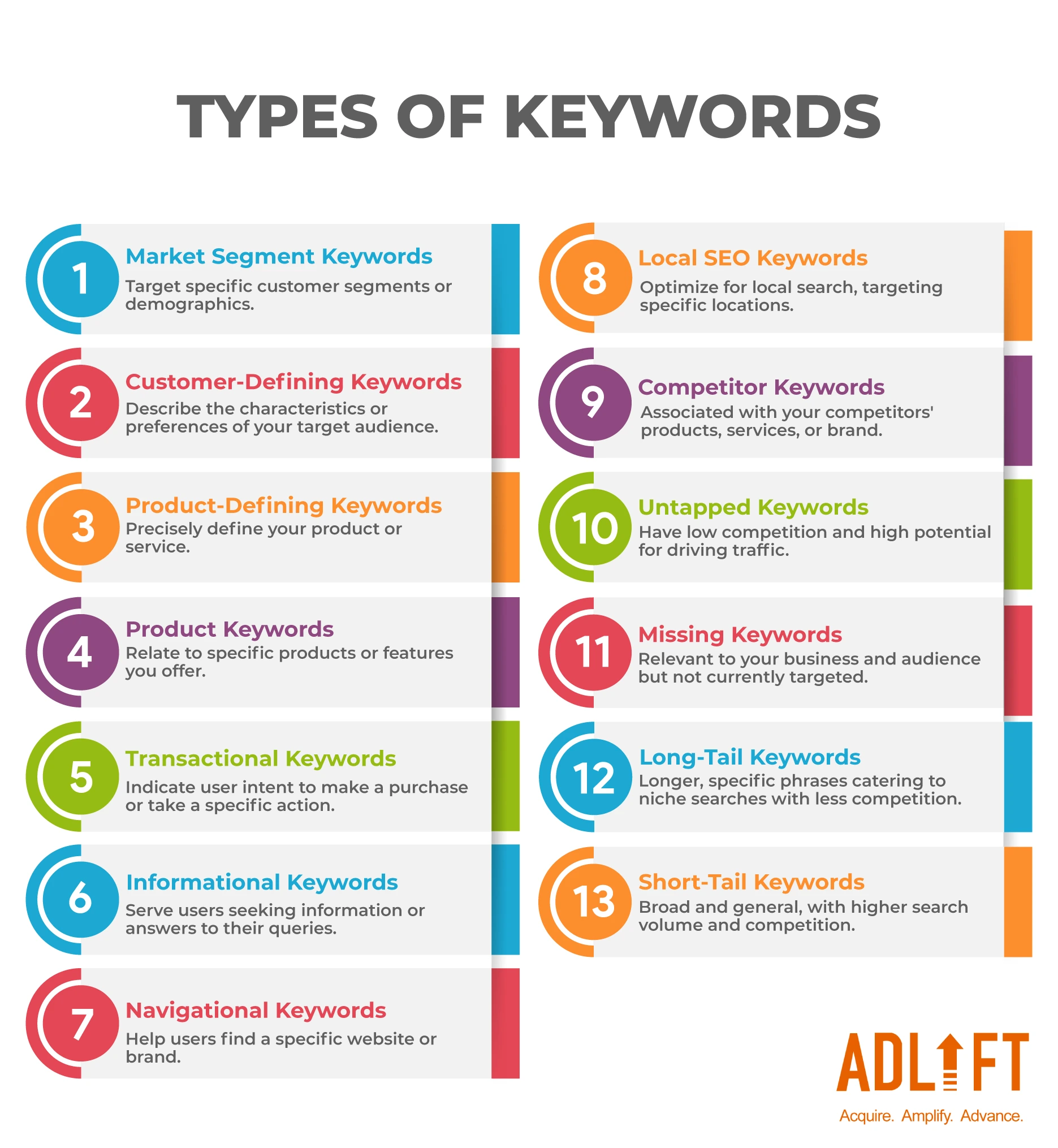
User intent—whether informational, navigational, or transactional—has become the cornerstone of effective content strategy, surpassing traditional keyword-centric approaches. Modern search algorithms, particularly those leveraging machine learning and natural language processing (NLP), prioritize semantic relevance over exact keyword matches. This shift demands a deeper alignment between content and the underlying motivations of users, ensuring that search engines and voice assistants deliver results that fulfill contextual needs rather than superficial keyword alignment.The evolution of search behavior, accelerated by voice queries and zero-click searches, has redefined how content creators must structure their outputs. Below, the discussion explores the decision-making framework for intent-driven content, the distinct interpretation of queries by voice search, the impact of zero-click searches on optimization, and industry-specific applications where intent dominates keyword reliance.
Decision-Making Framework for Aligning Content with User Intent
Content creators must adopt a structured approach to map user intent to content strategy, ensuring alignment with search engine expectations and user expectations. The following flowchart outlines the decision-making process, emphasizing the transition from keyword targeting to intent-based optimization:1. Query Analysis: Classify the search query into one of three primary intents—informational (e.g., "how to fix a leaky faucet"), navigational (e.g., "Amazon login page"), or transactional (e.g., "buy wireless earbuds under $50"). Tools like Google’s Search Console or AnswerThePublic can automate this classification by analyzing search volume and query patterns.
2. Content Type Selection:
3. Semantic Optimization: Replace exact-match keywords with natural language variations that reflect user intent. For example, instead of targeting "best running shoes," optimize for phrases like:
4. Validation and Iteration: Use A/B testing, heatmaps, and dwell time metrics to refine content based on actual user behavior. Tools like Hotjar or Google Analytics can reveal whether users engage with the intent-aligned content or drop off due to misalignment.
Voice Search and Smart Assistants: Query Interpretation Differences
Voice search queries differ fundamentally from text-based searches in structure, complexity, and intent, necessitating a shift in keyword strategies. Smart assistants (e.g., Siri, Alexa, Google Assistant) process queries through:Impact on Keyword Strategies:
Example Comparison:
| Text Search | Voice Search Query | Content Adaptation |
|---|---|---|
| "SEO tools 2024" | "What are the best SEO tools for beginners in 2024?" | Listicle with beginner-focused tools, FAQ section. |
| "Running shoes" | "Where can I buy comfortable running shoes under $80?" | Product page with filters, user reviews, and local store links. |
| "Python tutorial" | "How do I learn Python for data science?" | Step-by-step guide with embedded videos and resource links. |
Zero-Click Searches and the Evolution of Keyword Optimization
Zero-click searches—where users find answers without clicking through to a website—account for 65% of all Google searches (SparkToro, 2023). This trend reshapes keyword optimization by prioritizing featured snippets, knowledge panels, and direct answers over traditional rankings. The table below outlines how different search types influence keyword dependency and required content adaptations:| Search Type | Keyword Dependency | Content Adaptation Needed |
|---|---|---|
| Featured Snippets (Position 0) | Low to Moderate |
|
| Knowledge Panels | Very Low |
|
| Direct Answers (Voice Search) | Moderate (context-driven) |
|
| Image or Video Carousels | Low (visual intent) |
|
| Traditional Organic Rankings | High (keyword relevance) |
|
Featured snippets and zero-click results reduce the need for traditional keyword stuffing but increase the demand for semantic precision. Content must answer queries before users even click, shifting optimization from keyword density to contextualWhy It Ranks Better:
The Decline of Keyword Stuffing and Its Algorithmic Replacement
Modern search engines have transitioned from relying on exact-match keyword density to evaluating semantic relevance, user intent, and contextual coherence. Algorithmic penalties for keyword stuffing—such as unnatural term repetition, hidden text, or excessive anchor text manipulation—now trigger demotions in rankings or outright deindexing. Google’s BERT (Bidirectional Encoder Representations from Transformers) and subsequent updates like MUM (Multitask Unified Model) prioritize understanding over keyword matching, interpreting content as a network of interconnected concepts rather than isolated phrases.The shift reflects a broader evolution in search intent: users no longer seek pages optimized for a single keyword but demand comprehensive, authoritative resources that address their underlying queries. This transformation necessitates a structured approach to content creation, where topic depth and contextual relevance outweigh superficial keyword optimization.
Algorithmic Penalties for Keyword Stuffing
Search engines employ multiple detection mechanisms to identify and penalize keyword-stuffed content. These include:- Unnatural Term Distribution: Algorithms analyze term frequency-inverse document frequency (TF-IDF) to flag content where keywords appear disproportionately compared to surrounding context. For example, a page with 15% keyword density for a primary term (e.g., "best running shoes for flat feet") while lacking substantive discussion triggers red flags.
Hidden or Cloaked Text: Techniques like white text on white backgrounds, CSS-based hiding, or excessive use of `keyword` meta tags are detected via rendering analysis and cross-referencing with user behavior signals (e.g., high bounce rates, low dwell time). Anchor Text Manipulation: Over-optimized anchor text (e.g., "best running shoes for flat feet" repeated across 90% of backlinks) is flagged using graph-based algorithms that assess link patterns for artificiality. Content Devaluation via E-E-A-T: Google’s Experience, Expertise, Authoritativeness, and Trustworthiness (E-E-A-T) framework penalizes content that prioritizes keywords over genuine value, particularly in Your Money or Your Life (YMYL) topics (e.g., health, finance). Key Metric: Google’s SpamBrain system cross-references keyword patterns with user engagement metrics (e.g., pogo-sticking, session duration) to dynamically adjust rankings. Pages with high keyword density but low contextual utility are deprioritized in SERP features like Featured Snippets or People Also Ask.Transitioning from Keyword-Stuffed to Topic-Centric Content
Auditing and restructuring content requires a systematic approach to align with modern ranking factors. Below is a step-by-step methodology:
- Audit Existing Content for Over-Optimization
- Use SEO tools to identify pages with:
- Keyword density >10% for primary terms.
- Repeated phrases in close proximity (e.g., "best running shoes for flat feet" appearing 3+ times in 50 words).
- Low reading ease scores (e.g., Flesch-Kincaid Grade Level >12) due to forced keyword inclusion.
- Action: Flag pages where keywords disrupt natural readability or where the content lacks substantive depth beyond the target term.
- Deconstruct Keyword Clusters into Topic Hierarchies
- Replace single-keyword pages with pillar pages (comprehensive guides) and cluster content (supporting articles addressing subtopics).
- Example: Instead of 10 standalone pages targeting "best running shoes for [specific condition]," create:
- Pillar Page: "Comprehensive Guide to Running Shoes for Flat Feet" (covers types, brands, buying guides).
- Cluster Articles:
- "How to Choose Running Shoes for Severe Flat Feet"
- "Top 5 Stabilizing Shoes for Overpronation"
- "Running Shoe Reviews: Arch Support vs. Cushioning"
- Tool: Use topic modeling (e.g., LDA or BERTopic) to extract latent themes from search queries and user behavior data.
- Rewrite Content for Semantic Coherence
- Eliminate keyword repetition by incorporating:
- Synonyms and related terms (e.g., "flat feet" → "fallen arches," "overpronation").
- Entity-based references (e.g., linking to brands like Hoka or Brooks within natural sentences).
- Contextual anchors (e.g., "For runners with high arches, consider shoes with a rocker design").
- Structure: Organize content using H1-H6 headings that reflect a logical hierarchy (e.g., problem → solution → comparison).
- Leverage AI for Contextual Expansion
- AI tools now generate cohesive narratives by:
- Predicting user intent (e.g., distinguishing between informational vs. transactional queries).
- Filling knowledge gaps with entity relationships (e.g., linking "flat feet" to "plantar fasciitis" or "shin splints").
- Adapting tone and depth based on audience signals (e.g., beginner vs. advanced runners).
- Example Output Snippet (annotated for ranking factors):
Original (Keyword-Stuffed): "The best running shoes for flat feet in 2024 provide superior arch support. Flat feet runners need shoes with firm midsoles and motion control. Look for shoes designed for overpronation. Top brands like Hoka, Brooks, and Asics offer the best running shoes for flat feet. These shoes reduce injury risk and improve performance." AI-Generated (Contextual): "Runners with flat feet often experience overpronation, where the foot rolls inward excessively during stride. This misalignment can lead to injuries like plantar fasciitis or shin splints, making proper footwear critical. Modern stability shoes—such as the Hoka Bondi 8 or Brooks Adrenaline GTS 23—combine dual-density midsoles and medial posts to correct overpronation while maintaining cushioning. Unlike older models that relied on rigid shanks, today’s designs prioritize adaptive support, reducing strain on the Achilles tendon. For severe cases, orthopedic inserts or custom orthotics may complement shoe selection. Clinical studies (e.g., Journal of Foot and Ankle Research, 2022) confirm that proper footwear reduces injury risk by 40% in flat-footed runners."
Content Clusters: Replacing Standalone Pages with Topic Networks
The pillar-cluster model replaces isolated keyword pages with interconnected content that mirrors how users explore topics. Below is a comparative table of old vs. new structures:| Old Structure (Keyword-Focused) | New Structure (Cluster-Based) |
|---|---|
|
Single-Page Optimization - Targets 1–2 primary keywords (e.g., "best running shoes for flat feet"). Example: "Best Running Shoes for Flat Feet – Top 5 Picks in 2024"
|
Pillar-Cluster Model - Pillar Page: Broad, evergreen topic (e.g., "Running Shoes for Flat Feet: A Complete Guide"). Example:
|
Leave a Comment
Comments are moderated before appearing. The data you submit is processed according to the Privacy Policy of viralcontentbee.com.