The Exact Age Kids Learn to Read—and Why Timing Matters More Than You Think
Every parent, teacher, and caregiver watches for that pivotal moment when a child first deciphers words on a page. The question—what age do kids learn to read—isn’t just about academic benchmarks; it’s a reflection of cognitive readiness, environmental exposure, and the delicate interplay between biology and nurture. Research shows that while some children begin blending letters into sounds as early as age 4, others may not crack the code until 8 or beyond. The variability isn’t a cause for alarm but a reminder that reading acquisition is a spectrum, not a one-size-fits-all timeline.
The pressure to pinpoint an exact answer often stems from societal expectations tied to school readiness. Yet developmental psychologists emphasize that the average age kids learn to read fluently—typically between 6 and 7—is just a midpoint. Some children may show signs of phonemic awareness (the ability to hear and manipulate sounds in words) as toddlers, while others need structured phonics instruction to bridge the gap. The key lies in recognizing individual trajectories rather than rigid deadlines.
What’s less discussed is how cultural context, teaching methods, and even a child’s temperament influence this process. A child raised in a bilingual household might approach reading differently than a monolingual peer, and a hands-on, play-based learning environment can accelerate skills in ways traditional worksheets cannot. Understanding these nuances transforms the question from “When should my child read?” to “How can I support their unique path to literacy?”
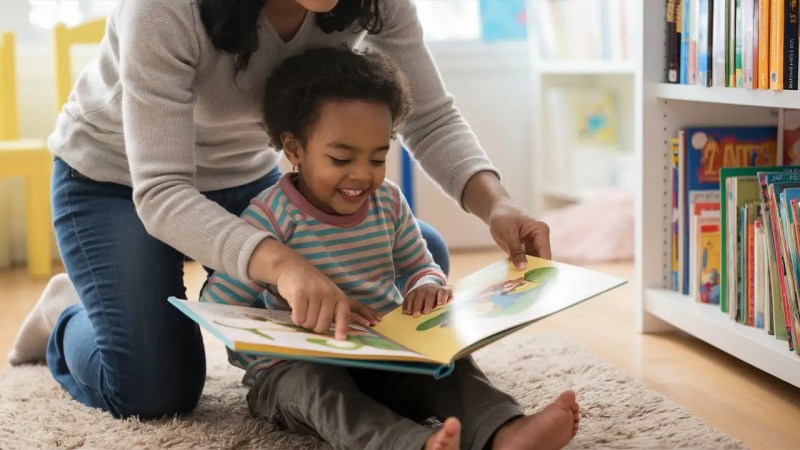
The Complete Overview of What Age Kids Learn to Read
The science of reading development is a blend of neuroscience, linguistics, and pedagogy. While most children begin formal reading instruction around kindergarten (ages 5–6), the foundational skills—like recognizing letters, understanding print concepts, and developing vocabulary—start much earlier. Studies in child psychology, such as those from the National Early Literacy Panel, highlight that by age 3, children exposed to rich language environments often exhibit the earliest precursors to reading, such as tracking text left-to-right or predicting story endings. However, the leap from pre-reading skills to actively decoding words varies widely.
Educational systems worldwide have grappled with this variability. In Finland, where literacy rates are among the highest, children aren’t formally taught to read until age 7, trusting in a child-led approach that prioritizes comprehension over rote memorization. Conversely, countries like South Korea emphasize early phonics, with children often reading simple texts by age 5. These differences underscore that what age kids learn to read is less about innate ability and more about the interplay between instruction, motivation, and cognitive maturity.
Historical Background and Evolution
The modern obsession with pinpointing the ideal age to learn reading traces back to the 19th century, when compulsory education systems emerged. Before then, literacy was a privilege reserved for the elite, and children learned through oral traditions or apprenticeships. The shift toward standardized reading instruction coincided with the rise of mass education, where efficiency and uniformity became priorities. Early pedagogues like Johann Pestalozzi advocated for natural learning rhythms, while others, like Rudolf Flesch, pushed for systematic phonics to accelerate progress. These debates persist today, with modern research suggesting that a balanced literacy approach—combining phonics, comprehension, and fluency—yields the best outcomes.
Table of Contents
- The Complete Overview of What Age Kids Learn to Read
- Historical Background and Evolution
- Core Mechanisms: How It Works
- Key Benefits and Crucial Impact
- Major Advantages
- Comparative Analysis
- Future Trends and Innovations
- Conclusion
- Comprehensive FAQs
- Q: Is there a "normal" age range for kids to learn to read?
- Q: What are the red flags that a child may be struggling with reading?
- Q: Can children learn to read before kindergarten?
- Q: How can parents support early reading development at home?
- Q: Does screen time help or hinder reading skills?
- Q: Are there cultural differences in reading ages?
- Q: What’s the difference between "learning to read" and "reading to learn"?
- Q: Can late readers catch up?
- Q: How does bilingualism affect reading development?
- Q: What role does genetics play in reading ability?
Psychological milestones also evolved alongside educational theories. In the 1960s, Jean Piaget’s work on cognitive development highlighted that children under 7 often struggle with abstract thinking, which reading demands. Meanwhile, Maria Montessori’s methods emphasized sensory-based learning, arguing that children should explore reading through tactile experiences before formal lessons. Fast-forward to the 21st century, and neuroscience has added another layer: brain imaging shows that reading activates multiple regions, including the visual cortex and language centers, suggesting that the brain’s plasticity during early childhood is critical for literacy acquisition.
Core Mechanisms: How It Works
Reading isn’t a single skill but a complex interplay of phonological awareness (hearing sounds in words), orthographic mapping (connecting letters to sounds), and comprehension (understanding meaning). The process begins with pre-reading skills, such as recognizing that words carry meaning and that print is read left-to-right. By age 5, children typically master letter names and sounds, but the ability to blend sounds into words—the hallmark of early reading—often emerges between ages 6 and 7. This is when the brain’s left temporal lobe, responsible for language processing, becomes more active in response to written words.
Environment plays a crucial role in this neural development. Children who grow up in homes with frequent reading aloud, diverse vocabulary exposure, and interactive storytelling tend to develop these skills earlier. Conversely, limited language input or delayed speech can delay reading readiness. The Simple View of Reading model, proposed by Gough and Tunmer, frames reading as the intersection of decoding (turning letters into sounds) and linguistic comprehension (understanding the language). When both components align—often around ages 7–8—a child transitions from learning to read to reading to learn.
Key Benefits and Crucial Impact
The ability to read isn’t just an academic milestone; it’s a gateway to cognitive, social, and economic opportunities. Early literacy is linked to stronger executive function, better problem-solving skills, and even higher earnings later in life. Children who develop reading proficiency by age 8 are far less likely to struggle with school disengagement or low self-esteem. Yet, the benefits extend beyond individual achievement: literate societies foster innovation, critical thinking, and cultural preservation. Understanding when kids typically learn to read helps parents and educators intervene early for those at risk of falling behind.
However, the emphasis on what age kids learn to read can sometimes overshadow the emotional and social dimensions of literacy. A child who feels frustrated by their pace may develop anxiety or disinterest, while those who excel too early might face unrealistic expectations. The goal isn’t to meet an arbitrary timeline but to ensure children experience reading as a tool for exploration, not pressure.
"Reading is not an act of passive reception but an active engagement with the world. The age at which a child begins to read is less important than the environment in which they are encouraged to do so."
— Dr. Stanislaus Dehaene, Cognitive Scientist & Author of Reading in the Brain
Major Advantages
- Cognitive Growth: Reading strengthens memory, attention span, and logical reasoning. Children who read early often exhibit higher IQ scores and better academic performance across subjects.
- Emotional Development: Exposure to stories fosters empathy, helping children navigate complex emotions and social interactions.
- Academic Foundation: Proficiency in reading by age 7–8 correlates with success in math, science, and writing, as these subjects build on literacy skills.
- Independence and Confidence: Self-reading reduces reliance on adults for information, boosting autonomy and self-esteem.
- Lifelong Learning Habits: Children who enjoy reading early are more likely to pursue education and intellectual curiosity throughout their lives.

Comparative Analysis
| Factor | Early Readers (Ages 5–6) | Average Readers (Ages 6–7) | Late Readers (Ages 8+) |
|---|---|---|---|
| Phonemic Awareness | Advanced (e.g., rhyming, sound blending) | Developing (basic letter-sound links) | Delayed (may need explicit instruction) |
| Vocabulary Exposure | High (rich language environment) | Moderate (growing through stories) | Limited (may require targeted support) |
| Instruction Needs | Minimal (often self-taught) | Structured phonics/comprehension | Intensive (multisensory approaches) |
| Potential Challenges | Pressure to maintain pace | Balancing fluency and comprehension | Frustration, gaps in foundational skills |
Future Trends and Innovations
The next decade of reading research is likely to focus on personalized learning, where AI-driven tools adapt instruction to a child’s unique pace. Projects like IBM’s Watson Assistant for Education are already experimenting with chatbots that tutor reading in real time, while neurofeedback techniques aim to enhance brain plasticity for struggling readers. Additionally, the rise of multimodal literacy—integrating audiobooks, interactive e-books, and augmented reality—may redefine what it means to learn to read in a digital age.
Culturally, there’s a growing movement toward culturally responsive literacy, which tailors reading materials to reflect diverse backgrounds, making stories more relatable and engaging. Meanwhile, research into dyslexia and reading disorders is advancing, with early screening tools and interventions like structured literacy programs helping more children overcome barriers. As our understanding of the brain deepens, the conversation around when kids learn to read may shift from rigid timelines to how we can optimize every child’s potential.

Conclusion
The question of what age do kids learn to read has no single answer, but the science of literacy offers a clear path forward: focus on readiness, not deadlines. While some children may surprise with early fluency, others may need extra time or alternative methods to thrive. The most effective approach combines evidence-based instruction with patience, ensuring that reading becomes a joyful, empowering experience rather than a source of stress. Parents and educators who embrace flexibility—whether through play-based learning, technology, or traditional methods—will best support the next generation of readers.
Ultimately, the goal isn’t to rush a child toward a benchmark but to nurture a lifelong relationship with words. In a world where information is abundant but critical thinking is scarce, the ability to read isn’t just about decoding letters—it’s about unlocking curiosity, empathy, and the power to shape one’s own future.
Comprehensive FAQs
Q: Is there a "normal" age range for kids to learn to read?
A: While most children begin reading simple words between ages 5 and 7, the average age kids learn to read fluently is around 6–8. Variability is normal due to factors like cognitive development, language exposure, and teaching methods. Schools typically assess readiness rather than enforcing strict ages.
Q: What are the red flags that a child may be struggling with reading?
A: Signs include difficulty recognizing letters, frequent guessing from pictures, frustration with simple words, or avoiding reading altogether. These may indicate phonological processing disorders or dyslexia, which benefit from early intervention like structured literacy programs or multisensory learning.
Q: Can children learn to read before kindergarten?
A: Yes, but it’s rare without explicit instruction. Some children show early phonemic awareness (e.g., rhyming games) and may decode simple words by age 4–5. However, premature pressure can backfire—focus on pre-reading skills like storytelling and letter recognition instead.
Q: How can parents support early reading development at home?
A: Read aloud daily, discuss stories, play word games, and create a print-rich environment. Avoid worksheets; instead, use interactive methods like magnetic letters or apps designed for young learners. Consistency and enthusiasm matter more than formal lessons.
Q: Does screen time help or hinder reading skills?
A: Moderate, high-quality screen time (e.g., educational apps with phonics) can aid literacy, but passive consumption (e.g., videos without interaction) may not. The key is balanced exposure: prioritize interactive e-books, audiobooks paired with discussion, and offline reading activities.
Q: Are there cultural differences in reading ages?
A: Absolutely. In countries with early phonics emphasis (e.g., South Korea), children often read by age 5, while nations like Finland delay formal instruction until age 7, trusting in child-led progress. Cultural attitudes toward education and language complexity also play a role.
Q: What’s the difference between "learning to read" and "reading to learn"?
A: Learning to read (ages 5–7) focuses on decoding words and basic comprehension. Reading to learn (ages 8+) shifts to using reading for knowledge acquisition (e.g., textbooks, research). The transition marks a cognitive leap from skill acquisition to application.
Q: Can late readers catch up?
A: Yes, with targeted support. Late readers often benefit from structured literacy programs, dyslexia screenings, or multisensory tools like Orton-Gillingham methods. Early intervention—before age 9—yields the best outcomes, but patience and tailored strategies can level the playing field.
Q: How does bilingualism affect reading development?
A: Bilingual children may take slightly longer to read in each language but often develop metalinguistic awareness (understanding language structure) earlier. Some studies show they outperform monolingual peers in executive function. The key is consistent exposure to both languages without pressure.
Q: What role does genetics play in reading ability?
A: Genetics account for about 40–60% of reading-related differences, influencing traits like phonological memory and processing speed. However, environment (e.g., parenting, schooling) interacts with biology—even children with a family history of dyslexia can overcome challenges with the right support.
Leave a Comment
Comments are moderated before appearing. The data you submit is processed according to the Privacy Policy of Viralcontentbee.