| Impact on Driving Dynamics |
- Superior high-speed stability (long wheelbase lowers roll center).
- Reduced wind noise (smooth roofline).
- Predictable handling (balanced weight distribution).
- Limited rear visibility (B-pillar obstruction).
|
- Nimble urban maneuverability (shorter wheelbase).
- Better cargo flexibility (foldable seats).
- Higher drag coefficient (0.30–0.35) than sedans.
- Sloping rear may reduce rear-seat legroom.
|
- Higher center of gravity (reduced handling precision).
- Longer braking distances (weight and aerodynamics).
- Improved off-road capability (articulation and ground clearance).
- Poorer fuel efficiency (larger, heavier chassis).
|
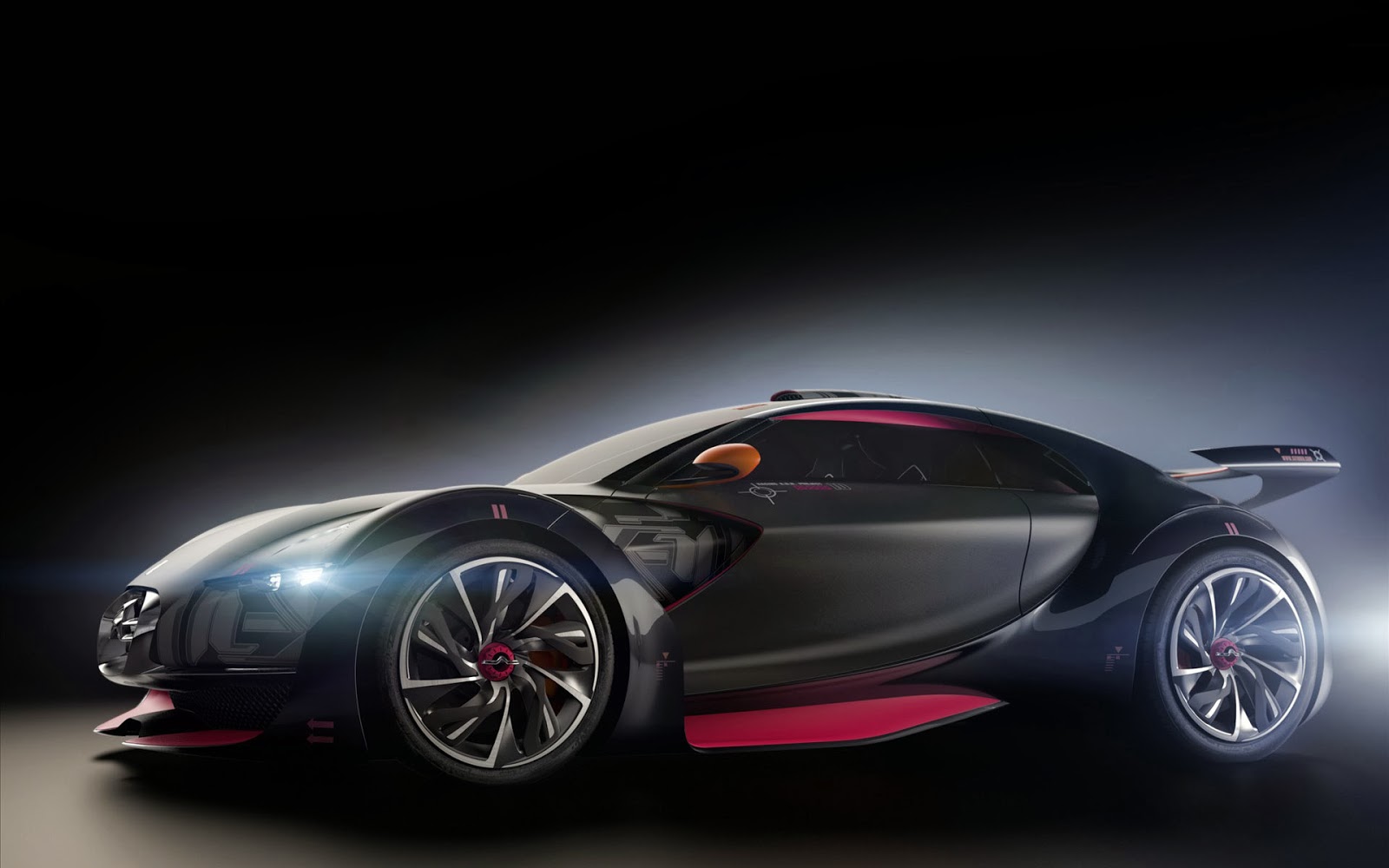
- Enhanced downforce (low drag, rear spoilers).
- Rear-seat access challenges (tight packaging).
- Stiffer suspension
Market Segmentation and Consumer Preferences in the Sedan Segment
The sedan remains a cornerstone of the automotive market, yet its relevance has evolved alongside shifting consumer priorities, economic conditions, and technological advancements. Market segmentation reveals distinct demographic clusters that drive sedan demand, while global sales trends illustrate how body style preferences have transitioned—particularly toward crossovers and SUVs—due to functional, cultural, and environmental factors. Automakers leverage these insights to tailor positioning strategies, from premium appeal to cost-effective urban mobility, ensuring sedans retain niche relevance despite declining overall market share.
Primary Consumer Demographics and Motivations
Sedan ownership correlates strongly with specific lifestyle and economic profiles, where functional needs intersect with aspirational or practical motivations. Data from IHS Markit (2023) and McKinsey & Company (2022) categorize sedan buyers into four primary segments:
-
Urban Professionals (Ages 25–45, Income: $50K–$120K)
Prioritize fuel efficiency, low maintenance costs, and parking convenience in dense cities.
Motivations include:- Compact or midsize sedans (e.g., Toyota Corolla, Honda Civic) dominate due to space efficiency and hybrid/electric options.
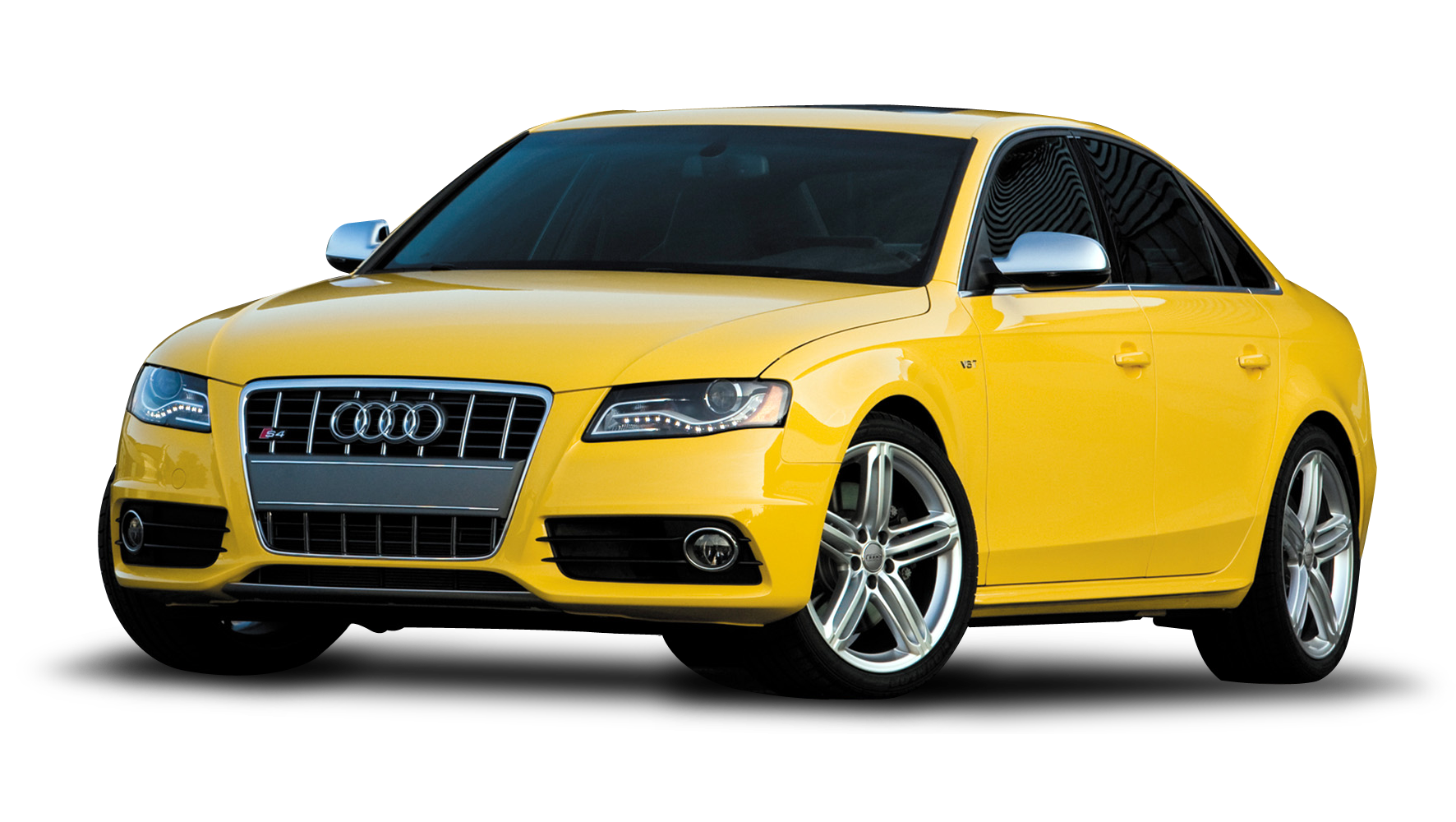
- Luxury sedans (e.g., BMW 3 Series, Audi A4) appeal to high-earners seeking prestige and advanced tech (e.g., adaptive cruise control, digital cockpits).
- Rental and ride-sharing fleets favor sedans for urban mobility, with brands like Nissan Sentra and Hyundai Elantra leading in affordability.
-
Families (Ages 35–55, Income: $80K–$150K)
Seek spacious interiors, safety ratings, and resale value over sporty performance.
Motivations include:- Midsize and full-size sedans (e.g., Toyota Camry, Honda Accord, Chevrolet Malibu) offer rear-seat comfort and tech like rearview cameras and lane-keeping assist.
- Hybrid sedans (e.g., Toyota Prius, Ford Fusion Hybrid) align with eco-conscious families prioritizing fuel savings and lower emissions.
- Safety certifications (e.g., IIHS Top Safety Pick+) are non-negotiable, with sedans like the Subaru Legacy and Volvo S60 leading in crash-test scores.
-
Luxury and Status Seekers (Ages 30–60, Income: $150K+)
Associate sedans with exclusivity, brand heritage, and performance-driven engineering.
Motivations include:- Flagship sedans (e.g., Mercedes-Benz E-Class, Lexus ES, Genesis G80) emphasize craftsmanship, leather interiors, and advanced driver-assistance systems (ADAS).
- Performance sedans (e.g., BMW M3, Audi S5) target enthusiasts with turbocharged engines and dynamic handling, despite crossover competition.
- Limited-edition models (e.g., Jaguar XE SV Project 8, Genesis G70 3.3T) create urgency through scarcity and bespoke customization.
-
Budget-Conscious Buyers (Ages 18–35, Income: <$50K)
Focus on affordability, insurance costs, and depreciation rates over luxury features.
Motivations include:- Subcompact sedans (e.g., Kia Rio, Hyundai Accent) offer low upfront costs and strong warranty coverage (e.g., Hyundai’s 10-year/100K-mile powertrain warranty).
- Used sedans (e.g., Mazda3, Ford Focus) provide value with lower insurance premiums compared to SUVs or trucks.
- Shared mobility services (e.g., Zipcar, Turo) reduce ownership barriers, with sedans like the Nissan Versa preferred for short-term rentals.
Global Sedan Sales Trends (2020–2023) and Shifts Toward Alternative Body Styles
Sedan sales have declined globally by ~15% from 2019 to 2023, with regional disparities highlighting economic and cultural influences. The International Organization of Motor Vehicle Manufacturers (OICA) and Statista (2023) report the following trends:
| Region |
Sedan Market Share (2020) |
Sedan Market Share (2023) |
Key Drivers of Decline |
Emerging Trends |
|---|
| North America |
42% |
30% |
- Shift to crossovers/SUVs (now 65% of U.S. sales in 2023, per Edmunds).
- High fuel prices post-2022 favoring hybrids/electric sedans (e.g., Tesla Model 3, Ford Mustang Mach-E).
- Decline in fleet sales (e.g., rental companies reducing sedan inventories).
|
- Electric sedans (e.g., Hyundai Ioniq 6, Kia EV6) gaining traction in urban markets.
- Performance sedans (e.g., Ford Mustang, Chevrolet Camaro) niche appeal among enthusiasts.
|
| Europe |
55% |
40% |
- Stricter emissions regulations (e.g., Euro 7) accelerating EV adoption.
- Compact sedans (e.g., Volkswagen Golf, Skoda Octavia) losing ground to hatchbacks and EVs.
- Urban mobility policies (e.g., London’s ULEZ) penalizing older sedans.
|
- Electric sedans (e.g., Volkswagen ID.4, BMW i4) positioned as "premium hatchbacks."
- Retro-styled sedans (e.g., Mini Cooper, Fiat 124 Spider) catering to design-conscious buyers.
|
| Asia-Pacific |
60% |
50% |
- China’s dominance in EV sedans (e.g., BYD Dolphin, NIO ET5) outpacing ICE sedans.
- India’s preference for compact sedans (e.g., Maruti Suzuki Swift, Hyundai Aura) declining due to SUV affordability.
- Japan’s aging population reducing demand for family sedans.
|
- Affordable EVs (e.g., Tata Nexon EV, MG4) replacing sedans in Tier 2 cities.
- Kei cars (Japan) and micro-sedans (e.g., Honda Zest) targeting single-occupant commuters.
|
| Latin America |
35% |
25% |
- Economic instability favoring used sedans (e.g., Toyota Corolla, Chevrolet Cruze).
- SUVs perceived as safer in volatile regions (e.g., Brazil, Mexico).
- Lack of charging infrastructure limiting EV sedans.
|
- Hybrid sedans (e.g., Toyota Corolla
Technical Specifications and Engineering Trade-offs in Sedan Design
Sedans represent a refined balance between performance, efficiency, and occupant comfort, achieved through targeted engineering trade-offs that distinguish them from other vehicle segments. Unlike SUVs or hatchbacks, sedans prioritize longitudinal stability, aerodynamic efficiency, and optimized weight distribution—factors that influence everything from fuel economy to crash safety. These design choices are particularly evident in powertrain configurations, suspension architecture, and aerodynamic refinements, where sedans often adopt solutions tailored to their rigid body structure and passenger-centric layout.The technical distinctions between sedans and other car types—such as SUVs or coupes—reveal how engineering priorities shift based on segment demands. For instance, a sedan’s long-wheelbase design enhances stability at high speeds but may compromise ground clearance, while SUVs prioritize articulation and off-road capability. Below, the powertrain and structural trade-offs are analyzed, followed by a comparative technical breakdown of modern sedan and SUV engineering, with a focus on how these choices impact safety and aerodynamics.
Powertrain Configurations and Weight Distribution Trade-offs
Sedans predominantly feature front-engine, front-wheel-drive (FWD) or rear-wheel-drive (RWD) layouts, with hybrid and electric adaptations increasingly common in premium and compact models. The choice of powertrain placement directly influences weight distribution, which in turn affects handling dynamics, acceleration, and braking efficiency.- Front-engine, FWD layouts dominate the sedan segment due to their simplicity, cost-effectiveness, and space efficiency. This configuration centralizes mass over the front axle, improving traction in wet conditions but potentially reducing rear-end stability during aggressive maneuvers. Examples include the Toyota Camry and Honda Accord, where FWD is paired with lightweight aluminum bodies to mitigate understeer tendencies.
- RWD layouts are favored in performance-oriented sedans (e.g., BMW 3 Series, Audi A4) for improved weight distribution (typically 40:60 front-to-rear) and enhanced handling precision. However, RWD designs require more complex drivetrain components, increasing production costs and weight.
- Hybrid and electric sedans (e.g., Toyota Prius, Tesla Model 3) often employ battery placement beneath the floor or in the rear to lower the center of gravity, improving stability. Electric sedans like the Hyundai Ioniq 6 use rear-motor AWD configurations to distribute torque evenly, though this adds complexity to the drivetrain.
The ideal weight distribution in sedans—typically 50:50 for RWD or 60:40 front-heavy for FWD—balances traction and stability. Deviations (e.g., battery-heavy EVs) necessitate active chassis controls (e.g., torque vectoring, adaptive damping) to compensate for altered mass dynamics.
Suspension Architecture and Ride Comfort vs. Handling Trade-offs
Sedan suspension systems are engineered to prioritize a smooth ride while maintaining precise steering feedback, a challenge exacerbated by their long-wheelbase designs. The choice between MacPherson struts (common in economy sedans) and multi-link independent suspensions (prevalent in premium models) reflects this balance.Suspension systems in sedans are optimized for:
- Longitudinal stiffness to resist body roll during cornering.
- Short-travel dampers to absorb road imperfections without compromising ride height.
- Anti-roll bar tuning to enhance lateral stability without sacrificing comfort.
A comparison of suspension types reveals distinct trade-offs:
- MacPherson struts (e.g., Ford Fusion, Chevrolet Malibu) offer cost efficiency and simplicity but may sacrifice precise camber control during aggressive driving.
- Multi-link suspensions (e.g., Mercedes-Benz E-Class, Lexus ES) provide superior camber and caster adjustments, improving handling at the expense of added weight and complexity.
Sedan suspensions often incorporate continuously variable damping (e.g., Adaptive Damping Systems in BMW or Magnetic Ride Control in Audi) to dynamically adjust stiffness based on road conditions, merging comfort with sportiness.
Technical Comparison: Modern Sedan vs. SUV Engineering
Below is a side-by-side comparison of a 2023 Toyota Camry (sedan) and a 2023 Toyota RAV4 (compact SUV), highlighting key engineering differences that reflect their segment priorities.
| Parameter |
Toyota Camry (Sedan) |
Toyota RAV4 (SUV) |
|---|
| Suspension Type |
Front: MacPherson struts
Rear: Multi-link independent |
Front: MacPherson struts
Rear: Multi-link independent (with higher ride height) |
| Ground Clearance |
5.8 in (147 mm) |
8.5 in (216 mm) |
| Aerodynamic Drag Coefficient (Cd) |
0.28 |
0.33 |
| Wheelbase |
111.8 in (2,839 mm) |
107.3 in (2,726 mm) |
| Crash Safety (IIHS Frontal Offset Rating) |
Good (2023 model) |
Good (2023 model, but with higher hood intrusion risk due to taller structure) |
| Powertrain Layout |
Front-engine, FWD (hybrid option: battery under rear seat) |
Front-engine, AWD (hybrid: battery in trunk) |
- The Camry’s lower Cd value (0.28) reflects its aerodynamic optimization, reducing drag and improving fuel efficiency compared to the RAV4’s boxier design (Cd 0.33).
- The RAV4’s higher ground clearance (8.5 in vs. 5.8 in) enables better off-road capability but increases rollover risk, necessitating stiffer suspension tuning.
- Crash safety in sedans benefits from their lower center of gravity and rigid body structures. For example, the Camry’s long-wheelbase design distributes crash forces more evenly in frontal collisions, whereas SUVs like the RAV4 may experience higher hood intrusion due to their taller front ends.
Sedan-Specific Engineering for Safety and Autonomous Driving
Modern sedans incorporate engineering adaptations to enhance safety and accommodate autonomous driving technologies, often leveraging their streamlined bodywork and predictable dynamics.- Crashworthiness Enhancements:
- Long-wheelbase sedans (e.g., Lexus LS, Mercedes-Benz S-Class) feature crush zones that extend along the entire front and rear, absorbing impact energy more effectively than shorter-wheelbase vehicles.
- High-strength steel frames (e.g., Tesla Model S’s "giant kill mechanism") are designed to redirect crash forces away from the cabin, improving occupant survival rates in frontal collisions.
- Rear-seat safety in sedans benefits from their fixed rooflines, which reduce the risk of whiplash injuries compared to SUVs with taller rear profiles.
- Autonomous Driving Sensor Integration:
- Sedans’ low, sleek profiles minimize sensor obstruction, making them ideal for LiDAR and camera placements (e.g., Mercedes Drive Pilot in the S-Class).
- Windshield-mounted cameras (e.g., Tesla Autopilot) are less prone to dirt accumulation than those in SUVs, where higher hood lines can trap debris.
- Rear-view mirrors in sedans are increasingly being replaced with digital displays (e.g., BMW’s Virtual Cockpit) to reduce aerodynamic drag and expand sensor fields of view.
The evolution of sedan engineering has shifted from purely mechanical optimizations to software-defined safety, where AI-driven collision avoidance (e.g., Audi Pre Sense) and predictive damping systems (e.g., Porsche Active Suspension Management) now complement traditional structural reinforcements.
Cultural and Regional Perceptions of Sedans
Sedans have evolved beyond mere transportation vehicles into cultural symbols shaped by economic conditions, societal values, and regional automotive traditions. Their perception varies significantly across continents—from the utilitarian family hauls of post-war Europe to the aspirational luxury statements of Asian markets—reflecting broader socio-economic narratives. Media portrayals, from Hollywood blockbusters to Japanese anime, further cement these associations, while historical trade-offs in design cater to distinct consumer priorities. Understanding these regional nuances reveals how sedans function as both practical solutions and cultural artifacts.
Cultural Symbolism of Sedans Across Regions
The sedan’s role in society transcends functionality, often embodying ideals of stability, prestige, or accessibility. In Europe, sedans are frequently associated with family-oriented practicality, particularly in countries like Germany and France, where compact and mid-size sedans dominate. The Volkswagen Golf and Peugeot 308, for instance, are marketed as reliable, space-efficient vehicles for urban commuters and suburban households. Their advertising emphasizes safety, fuel efficiency, and modular interiors, aligning with European priorities of sustainability and urban adaptability.In contrast, Asia often perceives sedans as status symbols, particularly in markets like China and South Korea, where full-size sedans such as the Toyota Crown or Hyundai Azera signify professional success. The Chinese luxury sedan market, for example, saw explosive growth in the 2010s, with models like the Geely Emperor and Changan CS75 positioned as aspirational purchases for the emerging middle class. Media portrayals in films like The Grandmaster (2013) or TV dramas frequently feature sedans as markers of social mobility and corporate achievement. In North America, sedans historically represented freedom and individualism, particularly during the mid-20th century with muscle sedans like the Ford Thunderbird or Chevrolet Impala. These vehicles were tied to road culture, appearing in films like Bullitt (1968) and Smokey and the Bandit (1977), where their performance and design became synonymous with American identity. Even today, sedans like the Cadillac CT6 or Lincoln Continental retain associations with executive prestige, though SUVs have dominated sales in recent decades.
Regional Variations in Sedan Popularity and Historical Context
The prevalence of sedan body styles varies dramatically by region, influenced by economic recovery, fuel costs, and urban infrastructure. Post-World War II Japan, for example, prioritized compact, fuel-efficient sedans due to limited space and high urban density. The Toyota Corolla and Honda Civic became icons of this era, embodying the "Kei car" philosophy—small, affordable, and highly efficient. Their success stemmed from Japan’s post-war economic constraints, where fuel prices and parking limitations necessitated downsized vehicles.In the United States, full-size sedans thrived in the 1950s and 1960s as symbols of post-war prosperity, with models like the Chevrolet Bel Air and Ford Fairlane offering spacious interiors and powerful engines. The oil crises of the 1970s shifted consumer preferences toward smaller sedans (e.g., Ford Mustang II, Chevrolet Nova), but by the 1980s and 1990s, American automakers reintroduced larger sedans with V8 engines and premium interiors, catering to a market that valued space and power. Meanwhile, Latin America favors larger sedans due to infrastructure challenges, such as poor road conditions and long commutes. Models like the Chevrolet Cruze or Volkswagen Virtus are designed with high ground clearance and robust suspensions to handle uneven terrain. In Middle Eastern markets, sedans like the Toyota Camry or Lexus ES are preferred for their comfort and privacy, aligning with cultural norms of family protection and long-distance travel.
Iconic Sedan Models by Era and Their Cultural Impact
Sedans have left indelible marks on pop culture, with specific models becoming synonymous with their decades. Below is a curated list of iconic sedans and their cultural significance:
-
1950s–1960s: The Golden Age of American Muscle Sedans
"These vehicles were not just cars—they were rolling statements of rebellion and excess."
- Ford Thunderbird (1955–1957): The original "T-Bird" redefined personal luxury with its tail-fin design and V8 power, appearing in films like Gone in 60 Seconds (1974) as a symbol of heist culture.
- Chevrolet Impala (1958–1985): The best-selling American car of the 1960s, featured in The Fugitive (1967) and Bullitt (1968), where its high-performance variants became icons of police and action cinema.
- Jaguar XK120 (1948–1954): A British engineering marvel, its sleek, aerodynamic design and high-top speed (120 mph) made it a status symbol in post-war Europe, often associated with British aristocracy and racing heritage.
-
1970s–1980s: The Rise of Japanese and European Precision Sedans
"This era marked the shift from brute force to refined engineering, influencing global automotive trends."
- Toyota Corolla (1966–present): The best-selling car in history, its reliability and affordability made it a staple in Japanese and global markets, often depicted in media as the everyman’s vehicle (e.g., Initial D anime series).
- Mercedes-Benz W123 (1975–1985): The "Banker’s Sedan", its boxy yet elegant design and diesel efficiency became synonymous with German engineering, appearing in films like The Bourne Identity (2002) as a spy’s vehicle.
- BMW 3 Series (1975–present): The ultimate executive sedan, its performance and handling redefined the "driver’s car" segment, influencing films like The Matrix (1999), where the E30 M3 became a cult symbol of cyberpunk aesthetics.
-
1990s–2000s: The Luxury and Tech Revolution
"Sedans in this era became canvases for digital integration and opulent craftsmanship, reflecting the rise of globalized luxury."
- Lexus LS400 (1989–1996): The first luxury sedan to challenge German dominance, its reliability and V8 smoothness made it a corporate favorite, appearing in The Fugitive (1993) as a high-tech pursuit vehicle.
- Audi A8 (1994–present): Pioneered quattro all-wheel drive in luxury sedans, its floating roof design and premium materials set new benchmarks, influencing films like Mission: Impossible III (2006).
- Toyota Prius (1997–present): The hybrid revolution’s flagship, its aerodynamic design and eco-conscious appeal redefined urban mobility, becoming a symbol of sustainability in media like Wall-E (2008).
-
2010s–Present: The Era of Electrification and Minimalism
"Modern sedans blend futuristic tech with cultural shifts toward sustainability and digital connectivity."
- Tesla Model S (2012–present): Redefined electric luxury, its autopilot features and sleek minimalism made it a tech icon, appearing in Iron Man 2 (2010) and *Mission
Future Trends and Disruptive Innovations in Sedan Evolution
The sedan segment, once the cornerstone of global automotive markets, faces a pivotal transformation driven by technological convergence, regulatory pressures, and shifting consumer priorities. Emerging innovations—from solid-state batteries to AI-driven adaptive chassis systems—are redefining performance, efficiency, and even the physical boundaries of sedan design. Meanwhile, market projections suggest a 20% decline in traditional sedan dominance by 2030, replaced by modular platforms and hybrid body styles. This section examines the technological disruptions reshaping sedans, the timeline of key engineering milestones, and how shared architectures are eroding the distinction between sedans and other vehicle classes.
The next decade will witness a paradigm shift in sedan engineering, with breakthroughs in energy storage, autonomous systems, and smart materials altering traditional trade-offs between aerodynamics, weight, and passenger comfort. Solid-state batteries, for instance, promise energy densities exceeding 300 Wh/kg—nearly triple current lithium-ion cells—enabling sedans with 500+ km electric ranges while reducing charging times to under 15 minutes. Companies like QuantumScape and Toyota are advancing these technologies, with Toyota targeting mass production by 2027 for its e-Palette and bZ sedans.Adaptive chassis systems, integrating active suspension with AI-driven predictive algorithms, will dynamically adjust ride height, damping, and torque distribution in real time. Examples include BMW’s Adaptive M Suspension and Mercedes-Benz’s Active Body Control 4.0, which use machine learning to anticipate road conditions and driver inputs. These systems eliminate the rigid distinction between "sport" and "comfort" sedans, offering a personalized driving experience without compromising structural integrity. In materials science, self-healing polymers and carbon nanotube-reinforced composites are poised to replace traditional steel in sedan body panels, reducing weight by 30–40% while enhancing crash resistance. Ford’s Aluminum Intensive Vehicle (AIV) architecture and Tesla’s 4680 battery cell integration demonstrate how modularity in construction enables faster assembly and lower production costs.
Market Projections and Regulatory Shifts Influencing Sedan Dominance
By 2030, sedans are expected to account for ~35% of global passenger vehicle sales, down from ~45% in 2023, as urbanization and regulatory tightening favor compact SUVs and electric vehicles (EVs). Key factors include:
- Emissions Regulations: The European Union’s 2035 ICE ban and China’s New Energy Vehicle (NEV) mandates (requiring 40% NEV sales by 2030) will accelerate the phase-out of conventional sedans in favor of hybrids and EVs. Sedans like the Volvo EX30 and Hyundai Ioniq 6 already showcase how electrification is redefining body styles.
- Urban Mobility Trends: In cities like Tokyo and Mumbai, where parking space constraints and congestion charges are rising, compact sedans (e.g., Toyota Corolla Cross, Honda Civic Type R) are gaining traction as "urban SUVs" rather than traditional sedans. The C4 (Compact for City Car) segment, blending sedan proportions with SUV utility, is projected to grow at a CAGR of 8.2% through 2030.
- Shared Mobility Impact: Ride-hailing and car-sharing services prefer modular, high-efficiency vehicles like the Renault Zoé or BYD Dolphin, which prioritize range and cost-per-mile over traditional sedan features like rear legroom.
"The sedan’s decline is not a failure of the form but a shift in its purpose—from personal transportation to a flexible, multi-use platform."
— McKinsey Automotive Trends Report, 2023
Timeline of Key Innovations in Sedan Engineering
The evolution of sedan technology reflects a century of incremental and disruptive advancements, from the Ford Model T’s assembly-line production to today’s autonomous-ready architectures. Below is a chronological overview of milestones shaping modern sedans:
-
1959: First Mass-Produced Hybrid Sedan
The Toyota Crown Hybrid (1997) marked the first hybrid sedan, but its commercial success was overshadowed by the Prius (1997), which popularized the segment. By 2020, hybrids accounted for ~10% of global sedan sales, with Toyota’s THS II system achieving 40% better fuel efficiency than conventional engines.
-
2008: Autonomous Driving Prototypes
The Mercedes-Benz F 015 Luxury in Motion (2013) and BMW i3 (2014) introduced Level 2 autonomy in sedans, with features like adaptive cruise control (ACC) and lane-keeping assist (LKA) becoming standard. By 2025, Level 3 autonomy (e.g., Mercedes Drive Pilot) will be available in select sedans like the EQS, enabling hands-free driving in controlled environments.
-
2017: Modular Platform Revolution
Volvo’s CMA (Compact Modular Architecture) and Toyota’s GA-K platform demonstrated how shared underpinnings could support sedans, SUVs, and EVs with minimal redesign. The GA-K, used in the Corolla (sedan), RAV4 (SUV), and bZ4X (EV), achieves a 40% cost reduction in development by standardizing components like battery packs and chassis structures.
-
2023: Solid-State Battery Sedans
Toyota’s bZ4X (2022) and BMW’s iX5 (2023) incorporated early solid-state prototypes, with range improvements of 20–30% over lithium-ion. By 2027, Nissan and Hyundai plan to launch sedans with 1,000+ km ranges, using Quanex’s solid-state cells.
-
2030: AI-Optimized Sedans
Projected innovations include:
- Self-driving sedans with Level 4 autonomy (e.g., Waymo’s sedan-based robotaxis).
- Biometric-adaptive interiors (e.g., Mercedes MBUX’s voice and gesture controls evolving into neural-interface integration).
- Carbon-neutral sedans using hydrogen fuel cells (e.g., Toyota Mirai’s sedan variant) or synthetic fuels.
Modular Platforms Blurring the Lines Between Sedans and Other Body Types
The rise of shared architectures has rendered the sedan’s physical identity fluid, as automakers leverage modularity to optimize production, cost, and performance across multiple body styles. Technical explanations for this convergence include:
-
Unified Chassis and Battery Packs
Platforms like VW’s MEB (Modular Electric Toolkit) and Stellantis’ STLA Large standardize battery placement, suspension geometry, and powertrain mounting points, allowing the same underpinnings to support:
- Sedans (e.g., VW ID.4-based "SUV-sedans").
- Coupé sedans (e.g., Porsche Taycan’s sedan variant).
- Hatchbacks (e.g., Hyundai Tucson’s sedan derivative).
The GA-K platform’s "skateboard" design (battery in the floor) enables a 50% reduction in body weight while accommodating different roof profiles.
-
Adaptive Roof and Door Mechanisms
Systems like Ford’s "Active Aerodynamics" and Tesla’s "Giga Press" allow reconfigurable cabin spaces, enabling:
- Sedan-like legroom in a SUV body (e.g., Kia K5’s "SUV-sedan" variant).
- Hatchback utility in a sedan silhouette (e.g., Volvo EX90’s liftgate option).
Hydraulic or electric actuators adjust door pillars and rear glass panels dynamically, eliminating the need for separate body-in-white tooling.
-
Software-Defined Vehicle (SDV) Architectures
Platforms like Nissan’s "Nissan Intelligent Mobility" and GM’s Ultium use over-the-air (OTA) updates to reThe sedan’s enduring legacy lies in its ability to adapt without losing its core identity—a testament to automotive design’s capacity for incremental yet transformative evolution. While crossovers and electric vehicles may dominate headlines, the sedan persists as a benchmark for engineering excellence, offering a refined driving experience that prioritizes efficiency, safety, and ergonomic sophistication. As global markets shift toward shared mobility and autonomous systems, sedans will likely undergo further specialization, blending heritage with innovation to address niche demands—whether as autonomous taxis, high-performance hybrids, or modular platforms for diverse body styles. Ultimately, the car vs. sedan debate transcends technical specifications; it encapsulates a broader conversation about how society values mobility, space, and status in an increasingly interconnected world. The sedan’s story, therefore, is not one of obsolescence but of reinvention, proving that even in an age of disruption, timeless design principles continue to shape the future of transportation.
FAQ
car vs sedan vs suv?
Q: What’s the difference between a car, sedan, and SUV when choosing a vehicle?
car sedan vs hatchback?
Q: How do sedans compare to hatchbacks in terms of practicality and features?
car sedan vs coupe?
Q: What are the key differences between a sedan and a coupe in terms of design and use?
car or sedan?
Q: Is there a difference between calling a vehicle a "car" or a "sedan"?
auto vs sedan?
Q: What’s the difference between an "auto" and a "sedan" in vehicle terminology?
car vs limousine?
Q: How does a sedan compare to a limousine in terms of size, seating, and cost?
|
|
Leave a Comment
Comments are moderated before appearing. The data you submit is processed according to the Privacy Policy of viralcontentbee.com.