How Amazon Subscriptions Are Reshaping Modern Consumption
Amazon’s expansion into subscription-based models has quietly redefined consumer behavior, blending convenience with an ever-growing ecosystem of services. Unlike traditional retail, where purchases are one-time transactions, Amazon subscriptions now offer recurring access to products, entertainment, and tools—creating a sticky relationship between the platform and its users. The shift reflects broader industry trends, where subscription revenue is projected to surpass $700 billion by 2025, with Amazon at the forefront of this transformation.
What began as a logistical innovation—Prime’s free two-day shipping—has evolved into a multifaceted membership tier that now includes streaming, gaming, grocery delivery, and even cloud storage. The platform’s ability to bundle disparate services under a single subscription has set a new standard for customer loyalty. Meanwhile, third-party sellers leverage Amazon’s subscription infrastructure to offer their own recurring product deliveries, from pet food to razor blades, turning passive shoppers into predictable revenue streams.
The implications extend beyond retail. Amazon’s subscription strategy has forced competitors to adapt, while regulators scrutinize its dominance in digital marketplaces. Yet, for consumers, the allure lies in seamless integration: one subscription often unlocks access to multiple services, eliminating the need to juggle separate accounts. This efficiency, however, raises questions about data privacy, pricing transparency, and whether the convenience outweighs potential downsides.
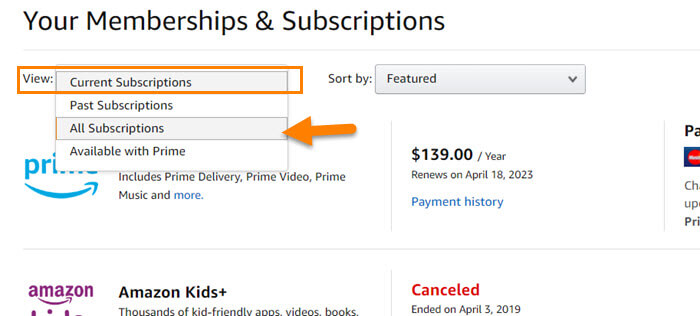
The Complete Overview of Amazon Subscriptions
Amazon subscriptions represent a convergence of retail, technology, and membership economics, where recurring revenue models drive both customer retention and business scalability. At its core, the platform’s subscription ecosystem is built on three pillars: Prime (the flagship membership), third-party seller subscriptions, and Amazon’s own niche services like Prime Video or Amazon Music. Each serves distinct purposes—Prime consolidates shopping perks, while third-party subscriptions cater to specialized needs, and standalone services target entertainment or utility demands.
The genius of Amazon’s approach lies in its ability to make subscriptions feel indispensable. By embedding them into daily routines—whether through auto-renewals, exclusive deals, or bundled offerings—the platform ensures that cancellation becomes an afterthought. This stickiness is further amplified by Amazon’s algorithmic personalization, which tailors recommendations based on subscription activity, deepening engagement. Yet, the model’s success hinges on balancing value with profitability, a tightrope walk that defines modern digital commerce.
Historical Background and Evolution
The origins of Amazon’s subscription strategy trace back to 2005, when the company launched Amazon Prime as a premium shipping service for $79 annually. At the time, it was a bold experiment to differentiate itself in a crowded e-commerce landscape. Within five years, Prime had evolved into a comprehensive membership program, adding perks like streaming, music, and Kindle e-books. By 2018, Amazon had expanded Prime globally, with over 100 million subscribers, proving that consumers were willing to pay for convenience and exclusivity.
Table of Contents
- The Complete Overview of Amazon Subscriptions
- Historical Background and Evolution
- Core Mechanisms: How It Works
- Key Benefits and Crucial Impact
- Major Advantages
- Comparative Analysis
- Future Trends and Innovations
- Conclusion
- Comprehensive FAQs
- Q: Are Amazon subscriptions worth the cost?
- Q: How do I cancel an Amazon subscription?
- Q: Can third-party sellers offer subscriptions on Amazon?
- Q: Do Amazon subscriptions include international shipping?
- Q: What happens if I miss a payment for an Amazon subscription?
- Q: Are there any hidden fees with Amazon subscriptions?
- Q: How does Amazon personalize subscription recommendations?
- Q: Can I share an Amazon subscription with family or friends?
- Q: What’s the difference between Amazon Prime and other Amazon subscriptions?
- Q: How does Amazon ensure subscription deliveries arrive on time?
- Q: Are there any tax implications for Amazon subscriptions?
Parallel to Prime’s growth, Amazon began enabling third-party sellers to offer their own subscription-based products through its platform. This move democratized recurring revenue models, allowing small businesses to compete with giants by leveraging Amazon’s logistics and customer base. Meanwhile, Amazon’s acquisition of companies like Twitch (2014) and IMDb (1998) further diversified its subscription portfolio, integrating gaming, movies, and data-driven recommendations into the fold. Today, the platform’s subscription ecosystem is a testament to its ability to adapt—from a shipping upgrade to a lifestyle necessity.
Core Mechanisms: How It Works
The technical backbone of Amazon subscriptions relies on a combination of automated billing, customer data analytics, and seamless integration across devices. When a user signs up for Prime or a third-party subscription, Amazon’s systems immediately activate personalized benefits, such as discounted shipping rates or curated content. Behind the scenes, machine learning algorithms analyze purchase history to suggest complementary subscriptions, while payment gateways handle recurring charges via credit cards or Amazon Pay.
For third-party sellers, Amazon provides tools like the "Subscribe & Save" program, which allows them to offer discounts (up to 15%) in exchange for customers committing to regular deliveries. The platform handles inventory management, shipping, and customer service, reducing friction for businesses. Meanwhile, Amazon’s subscription infrastructure is designed to minimize churn: auto-renewals, limited-time offers, and exclusive perks create psychological barriers to cancellation. The result is a self-sustaining loop where convenience drives loyalty, and loyalty drives revenue.
Key Benefits and Crucial Impact
The rise of Amazon subscriptions has redefined consumer expectations, offering unparalleled convenience while reshaping business models. For shoppers, the primary appeal lies in cost savings, exclusive access, and the elimination of decision fatigue—no need to reorder staples or hunt for deals. For businesses, subscriptions provide predictable revenue streams and deeper customer insights. Yet, the impact extends beyond economics, influencing cultural norms around consumption, sustainability (via reduced packaging waste), and even urban logistics (with services like Amazon Fresh).
Critics argue that the model fosters dependency, with users accumulating subscriptions they rarely use. There are also concerns about data privacy, as Amazon’s vast trove of consumer behavior data fuels its recommendation engines. Nonetheless, the benefits—particularly for niche markets—are undeniable. Small businesses thrive under subscription models, while consumers enjoy curated experiences tailored to their habits. The challenge lies in striking a balance between personalization and privacy, a tension that will define the next decade of digital commerce.
"Amazon’s subscription model isn’t just about selling products—it’s about selling access to a lifestyle. The more you use it, the more it feels like a necessity, not a choice."
— Retail Analyst, Harvard Business Review
Major Advantages
- Cost Efficiency: Subscriptions often provide discounts (e.g., 10–15% off) on recurring purchases, making them cheaper than one-time buys over time.
- Convenience: Auto-deliveries and bundled services (e.g., Prime + Music) eliminate the need for manual reorders or separate accounts.
- Exclusive Perks: Members gain access to early deals, streaming content, and customer support priorities not available to non-subscribers.
- Predictable Revenue for Sellers: Third-party sellers benefit from steady cash flow and reduced marketing costs, thanks to Amazon’s built-in audience.
- Data-Driven Personalization: Amazon’s algorithms use subscription activity to refine recommendations, enhancing the shopping experience.

Comparative Analysis
| Feature | Amazon Subscriptions | Traditional Retail |
|---|---|---|
| Revenue Model | Recurring (membership fees + seller commissions) | One-time sales (with occasional loyalty programs) |
| Customer Retention | High (auto-renewals, bundled perks) | Moderate (depends on loyalty programs) |
| Operational Complexity | High (requires robust logistics, data analytics) | Lower (simpler inventory management) |
| Consumer Trust | Strong (brand recognition, convenience) | Varies (depends on brand reputation) |
Future Trends and Innovations
The next phase of Amazon subscriptions will likely focus on hyper-personalization and sustainability. As AI advances, Amazon may introduce dynamic pricing for subscriptions, adjusting costs based on real-time demand or user engagement. Additionally, the platform could expand its "green" initiatives, offering carbon-neutral shipping tiers or eco-friendly subscription bundles. For third-party sellers, Amazon might introduce AI-driven subscription recommendations, further blurring the line between retail and curated experiences.
Regulatory scrutiny will also shape the future. Antitrust concerns over Amazon’s dominance in subscriptions could lead to stricter oversight, particularly around data usage and fair competition. Meanwhile, consumers may demand more transparency in pricing and cancellation policies. Innovations like blockchain-based subscription management could emerge, offering users greater control over their data and payments. One thing is certain: Amazon’s subscription model will continue to evolve, driven by technology and shifting consumer priorities.

Conclusion
Amazon subscriptions have transcended their origins as a shipping perk to become a cornerstone of modern commerce. By combining convenience, data insights, and strategic bundling, Amazon has created a model that benefits consumers, businesses, and investors alike. The platform’s ability to adapt—whether through third-party integrations or standalone services—ensures its relevance in an increasingly subscription-driven economy.
Yet, the model’s long-term success hinges on addressing its critics. As subscriptions proliferate, consumers may grow weary of cluttered accounts and opaque pricing. For Amazon, the key will be maintaining trust while innovating responsibly. The company’s ability to balance growth with ethical considerations will determine whether its subscription empire remains a blueprint for the industry—or a cautionary tale about unchecked consolidation.
Comprehensive FAQs
Q: Are Amazon subscriptions worth the cost?
A: It depends on usage. Prime’s value varies by location—some users save hundreds annually on shipping alone, while others benefit more from streaming or grocery delivery. For third-party subscriptions, compare the per-unit cost with non-subscription prices. Tools like Amazon’s subscription manager can help track savings.
Q: How do I cancel an Amazon subscription?
A: Visit Amazon’s Subscription Manager and select the subscription. Follow the prompts to cancel or adjust delivery frequency. Note that some subscriptions (like Prime) require cancellation before the renewal date to avoid charges.
Q: Can third-party sellers offer subscriptions on Amazon?
A: Yes, through programs like "Subscribe & Save." Sellers can set up recurring deliveries with discounts (5–15%) and manage inventory via Amazon’s tools. The platform handles shipping and customer service, making it accessible for small businesses.
Q: Do Amazon subscriptions include international shipping?
A: Prime offers international shipping to select countries, but policies vary. Some subscriptions (e.g., Kindle Unlimited) may include digital access globally, while physical product subscriptions typically ship only within the user’s region. Check the subscription details for specifics.
Q: What happens if I miss a payment for an Amazon subscription?
A: Amazon will attempt to charge the default payment method. If unsuccessful, the subscription may pause or cancel, depending on the seller’s policy. Users can update payment details in their account settings to avoid disruptions.
Q: Are there any hidden fees with Amazon subscriptions?
A: Most subscriptions list all costs upfront, but some third-party sellers may charge additional fees (e.g., expedited shipping). Always review the subscription agreement before confirming. Amazon’s terms typically outline cancellation policies and potential restocking fees for paused deliveries.
Q: How does Amazon personalize subscription recommendations?
A: Amazon uses purchase history, browsing behavior, and subscription activity to suggest relevant products. For example, if you subscribe to coffee, the algorithm may recommend related items like mugs or creamers. Personalization is powered by AI and machine learning, though users can adjust settings to limit data sharing.
Q: Can I share an Amazon subscription with family or friends?
A: Some subscriptions (like Prime) allow household sharing, but policies vary. Third-party subscriptions are typically tied to the account holder’s email. For shared access, consider Amazon’s "Family Library" feature for digital content or explore multi-user plans where available.
Q: What’s the difference between Amazon Prime and other Amazon subscriptions?
A: Prime is a broad membership tier offering shipping, streaming, and shopping perks. Other subscriptions (e.g., Amazon Music, Kindle Unlimited) are standalone services with niche benefits. Some users opt for Prime alone, while others combine it with additional subscriptions for tailored access.
Q: How does Amazon ensure subscription deliveries arrive on time?
A: Amazon’s logistics network, including warehouses and delivery partners, prioritizes subscription orders to meet scheduled dates. Delays may occur due to high demand or seller stock issues. Users can track deliveries via Amazon’s app and contact support if issues arise.
Q: Are there any tax implications for Amazon subscriptions?
A: Subscriptions are generally taxed like other purchases, but rules vary by state/country. Amazon provides tax summaries in account statements. For business subscriptions, expenses may be deductible, but consult a tax professional for guidance.
Leave a Comment
Comments are moderated before appearing. The data you submit is processed according to the Privacy Policy of Viralcontentbee.