How AP Notes Are Reshaping Education Without the Hype
The College Board’s Advanced Placement (AP) program has long been synonymous with academic rigor, but the tools students rely on to conquer its exams have evolved far beyond dusty textbooks. AP notes—condensed, strategic summaries of course content—have become the unsung backbone of exam preparation. These materials distill years of learning into actionable insights, yet their role extends beyond rote memorization. They’re a bridge between classroom instruction and high-stakes testing, where every bullet point could mean the difference between a 3 and a 5.
What makes AP notes uniquely effective isn’t their brevity, but their precision. Unlike traditional study guides, they’re often crafted by educators who’ve dissected the exam’s patterns, highlighting not just what to know, but how to apply it. The shift from passive reading to active engagement—through annotated diagrams, mnemonic devices, or even teacher-curated flashcards—reflects a broader trend in education: moving away from volume toward efficiency. Students who master these tools don’t just recall facts; they internalize frameworks that mirror the exam’s structure.
Yet the conversation around AP notes is rarely neutral. Critics argue they foster dependency, while advocates insist they democratize access to elite-level preparation. The tension lies in their dual nature: a crutch for some, a catalyst for others. What’s undeniable is their ubiquity. From the backseat of a car ride to the quiet hours before an exam, these condensed resources have become as essential as calculators or bluebooks.
The Complete Overview of AP Notes
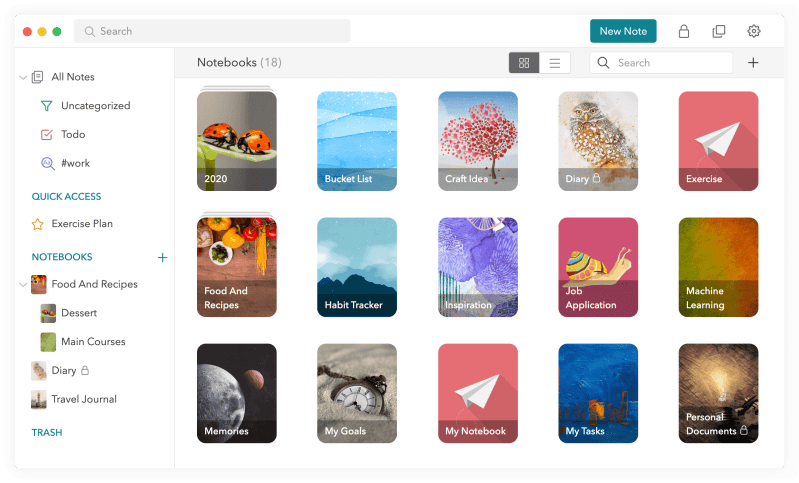
The term "AP notes" encompasses a spectrum of resources designed to streamline the learning process for Advanced Placement courses. At their core, they’re curated summaries—whether handwritten by teachers, digitized as PDFs, or algorithmically generated by platforms like Quizlet or Anki. Their value lies in their adaptability: a biology student might rely on flowcharts of cellular processes, while a history student could dissect cause-and-effect timelines. The best AP notes don’t just regurgitate textbook content; they anticipate the exam’s logic, often including past free-response questions or rubric breakdowns.What distinguishes these materials from generic study guides is their alignment with the AP’s unique assessment model. Unlike standardized tests, AP exams demand synthesis, argumentation, and contextual analysis. AP notes often mirror this by incorporating:
Historical Background and Evolution
The origins of AP notes trace back to the 1950s, when the College Board introduced AP courses as a way to offer college-level rigor to high school students. Early study aids were rudimentary: teachers’ handwritten summaries, photocopied outlines, or shared exam booklets from previous years. The digital revolution of the 2000s transformed these tools. Platforms like SparkNotes and Chegg began offering crowdsourced AP notes, while educators leveraged Google Docs to collaborate on real-time updates. By the 2010s, the rise of mobile apps and AI-driven flashcards (e.g., Anki decks) made these resources more interactive and accessible than ever.Today, AP notes exist in a fragmented ecosystem. Some are created by individual teachers and shared via password-protected Google Drives, while others are sold as premium products by companies like Fiveable or Albert. The College Board itself has entered the fray with its AP Classroom resource hub, offering official AP notes and progress checks. This evolution reflects a broader shift in education: from top-down instruction to a hybrid model where students curate their own learning pathways. The challenge? Ensuring quality amid the noise. Not all AP notes are created equal—some are gleaned from years of grading exams, while others are hastily transcribed from unreliable sources.
Core Mechanisms: How It Works
The effectiveness of AP notes hinges on three interconnected principles: selective summarization, active recall triggers, and exam-specific scaffolding. Selective summarization involves distilling complex topics into their most exam-relevant components. For example, an AP World History AP note might focus on 10 key turning points per era rather than every minor conflict, prioritizing themes that frequently appear in long-essay prompts. Active recall triggers—such as blank-side flashcards or self-quizzing prompts—force students to engage with the material rather than passively read it. Finally, exam-specific scaffolding includes rubric analyses (e.g., "AP Lang essays lose points for vague thesis statements") or timed practice sections that mimic the real test’s pacing.Table of Contents
- The Complete Overview of AP Notes
- Historical Background and Evolution
- Core Mechanisms: How It Works
- Key Benefits and Crucial Impact
- Major Advantages
- Comparative Analysis
- Future Trends and Innovations
- Conclusion
- Comprehensive FAQs
- Q: Are AP notes allowed during exams?
- Q: Where can I find high-quality AP notes ?
- Q: How do I create effective AP notes for my own use?
- Q: Can AP notes replace attending class?
- Q: Are there subject-specific strategies for using AP notes ?
- Q: How do I know if my AP notes are too vague?
- Q: Do AP notes work for self-taught AP students?
- Q: How often should I review AP notes ?
The mechanics vary by subject. In STEM fields like AP Chemistry, AP notes often include:
Key Benefits and Crucial Impact
The rise of AP notes mirrors a fundamental shift in how students approach academic challenges: efficiency over endurance. In an era where AP courses are increasingly treated as college prerequisites, the ability to condense months of learning into digestible chunks is invaluable. For students juggling extracurriculars, part-time jobs, or family responsibilities, AP notes offer a lifeline—a way to focus on high-yield content without sacrificing sleep or social time. The impact isn’t just academic; it’s psychological. Mastering these tools can reduce test anxiety by making the exam’s structure predictable.Yet the benefits extend beyond individual students. Educators use AP notes to identify gaps in their teaching, while schools leverage them to standardize preparation across grade levels. For example, a high school might distribute AP notes for Chemistry to all 11th graders, ensuring consistency in review materials regardless of which teacher they have. This democratization of resources has also leveled the playing field for students in underfunded districts, who can access the same quality of preparation as peers in elite private schools.
"The most effective AP notes aren’t just summaries—they’re cheat sheets for thinking." — Dr. Elena Rodriguez, AP History Teacher and Curriculum Designer
Major Advantages
- Time Efficiency: AP notes allow students to spend 20 minutes reviewing a condensed outline instead of 2 hours rereading a textbook. Studies show that spaced repetition (e.g., reviewing AP notes over several days) improves retention by up to 40%.
- Exam Alignment: Unlike generic study guides, AP notes are often reverse-engineered from past exams. For instance, an AP Biology AP note might highlight the 15 most frequently tested lab skills, saving students from memorizing irrelevant procedures.
- Active Learning Integration: Many AP notes include built-in practice questions or "common mistake" warnings (e.g., "AP Gov students often misinterpret the Necessary and Proper Clause—here’s how to avoid it").
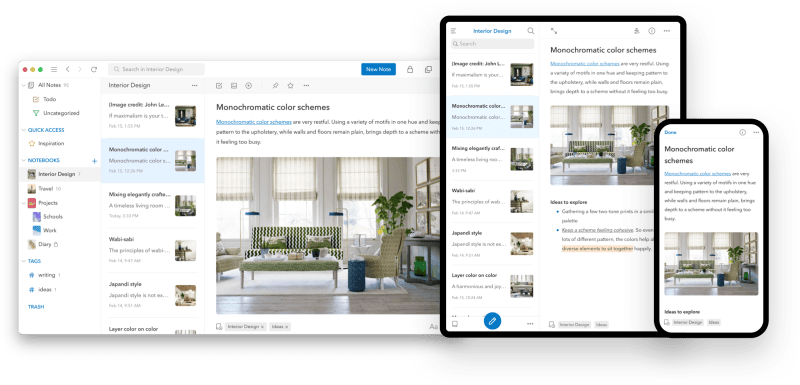
- Flexibility: Digital AP notes (e.g., Notion templates or Google Slides decks) can be annotated, shared, or accessed offline, making them adaptable to any learning environment.
- Confidence Boost: The structured format of AP notes helps students recognize patterns in questions, reducing the "unknown exam" stress. For example, AP Calculus AP notes often categorize problems by type (e.g., "Related Rates," "Volume of Revolution").
Comparative Analysis
While AP notes are a cornerstone of exam prep, they’re not the only tool in a student’s arsenal. Below is a comparison of AP notes with other common study methods:| Tool/Method | Strengths vs. AP Notes |
|---|---|
| Textbook Rereading | Comprehensive coverage; authoritative source. AP notes excel in brevity and exam focus, but textbooks lack targeted practice. |
| Past Exam Booklets | Authentic practice; real questions. AP notes provide conceptual scaffolding, while past exams offer raw application—but no explanations. |
| Tutoring Sessions | Personalized feedback; adaptive pacing. AP notes are scalable and cost-effective, but tutors offer real-time corrections. |
| Flashcard Apps (Anki/Quizlet) | Great for vocabulary and memorization. AP notes handle complex concepts and synthesis better, while flashcards lack contextual depth. |
Future Trends and Innovations
The next frontier for AP notes lies in personalization and interactivity. AI-driven platforms are already experimenting with adaptive AP notes that adjust based on a student’s performance. Imagine a system where an AP Psychology AP note on the Stanford Prison Experiment expands into a full case study if the student struggles with ethical implications—or condenses into bullet points if they’re already proficient. Tools like Kahoot! and Blooket are also gamifying AP notes, turning review sessions into competitive quizzes that reinforce learning through engagement.Another trend is the integration of multimedia. Future AP notes may include embedded videos (e.g., a 2-minute animation explaining plate tectonics for AP Environmental Science) or AR flashcards that let students "see" historical events in 3D. The College Board’s push for digital assessments could also reshape AP notes, with platforms offering interactive simulations (e.g., a virtual AP Chemistry lab) alongside traditional summaries. As these tools evolve, the line between AP notes and full-fledged digital classrooms may blur—raising questions about accessibility and equity in an increasingly tech-dependent educational landscape.
Conclusion
AP notes are more than a study hack; they’re a reflection of how modern students navigate complexity. In an era where information overload is the norm, their ability to distill essence without sacrificing depth makes them indispensable. Yet their power isn’t inherent—it’s in how they’re used. A poorly crafted AP note can lull students into a false sense of preparedness, while a well-designed one can unlock patterns they’d otherwise miss. The future of these tools hinges on balancing efficiency with rigor, ensuring they remain a supplement to—not a substitute for—deep learning.For educators, the rise of AP notes presents an opportunity to rethink how content is delivered. For students, it’s a reminder that mastery isn’t about volume, but about strategy. Whether through a teacher’s annotated outline or a self-generated mind map, AP notes will continue to shape the way the next generation tackles the challenges of AP—and beyond.
Comprehensive FAQs
Q: Are AP notes allowed during exams?
A: No. AP exams are closed-book, closed-notes tests. However, some students use AP notes to memorize key concepts (e.g., formulas, dates) before the exam, then rely on recall during the test. The College Board prohibits bringing outside materials into the exam room.
Q: Where can I find high-quality AP notes?
A: Reliable sources include:
Q: How do I create effective AP notes for my own use?
A: Start by:
1. Auditing past exams: Identify recurring themes or question types.
2. Summarizing key concepts: Use bullet points, diagrams, or tables—avoid full sentences.
3. Adding exam tips: Note common pitfalls (e.g., "APUSH essays lose points for lack of context").
4. Incorporating active recall: Leave blank spaces for self-quizzing or add practice questions.
Tools like Notion, OneNote, or even handwritten outlines work well. For STEM subjects, include step-by-step problem-solving templates.
Q: Can AP notes replace attending class?
A: No. AP notes are supplements, not replacements. They’re designed to reinforce what you’ve already learned, not teach it. Skipping class to rely solely on AP notes risks missing critical discussions, lab work, or nuanced explanations that exams often test. Use them to review, not replace engagement with the material.
Q: Are there subject-specific strategies for using AP notes?
A: Absolutely. For example:
Q: How do I know if my AP notes are too vague?
A: Vague AP notes often lack:
Q: Do AP notes work for self-taught AP students?
A: Yes, but with adjustments. Self-taught students should:
Q: How often should I review AP notes?
A: Spaced repetition is key. For most students:
Leave a Comment
Comments are moderated before appearing. The data you submit is processed according to the Privacy Policy of Viralcontentbee.